Andrew Tindall from System1 reveals that 70% of Out-of-Home (OOH) ads fail, despite OOH being one of the most effective advertising media.
He explained further that many brands still don’t fully understand how OOH works. Poor execution in OOH advertising not only prevents the message from reaching the audience, but can also waste your budget without actually achieving your goals. This proves that even with the most effective advertising media, a strategy should have been amplified as well to ensure your campaign works.
Moreover, research from System1, The Creative Effectiveness Platform, and JCDecaux UK shows that only 2 in 5 campaigns successfully build a branded emotional connection. Brands need to capitalize on the chance to sharpen their identity and spark emotional reactions to see actual results. Failing to do so ignores the massive potential of OOH and can undermine your campaign’s performance. In this article, we’ll explore common mistakes that many brands still make in the realm of OOH advertising and discuss how to make your ad actually get seen.
Incorrect Target Audience
A research conducted in Malaysia by Bah and Haba (2019) shows that geo-location has a significant impact on OOH advertising effectiveness. This proves that OOH success is not about who spends the most budget or which billboard has the highest traffic, but whether your ads reach the right audiences.
Beyond demographics, placements should also consider community behavior. Ensure that the message you deliver is relevant to the audience’s beliefs and emotions. Bah and Haba (2019) also found that consumer perception impacts the effectiveness of OOH advertising. Brands therefore need a strong strategy and understanding of how their target audience perceives the advertisement being displayed.
Weak Creativity and CTAs
The same research from System1, The Creative Effectiveness Platform, and JCDecaux also shows that high-quality creative in OOH advertising delivers twice the commercial impact, such as store visits and conversions, compared to lower-rated ads. By analyzing over 1.000 global campaigns, the study also found that ads sparking emotional engagement and featuring clear, recognizable branding are 50% more likely to be remembered.
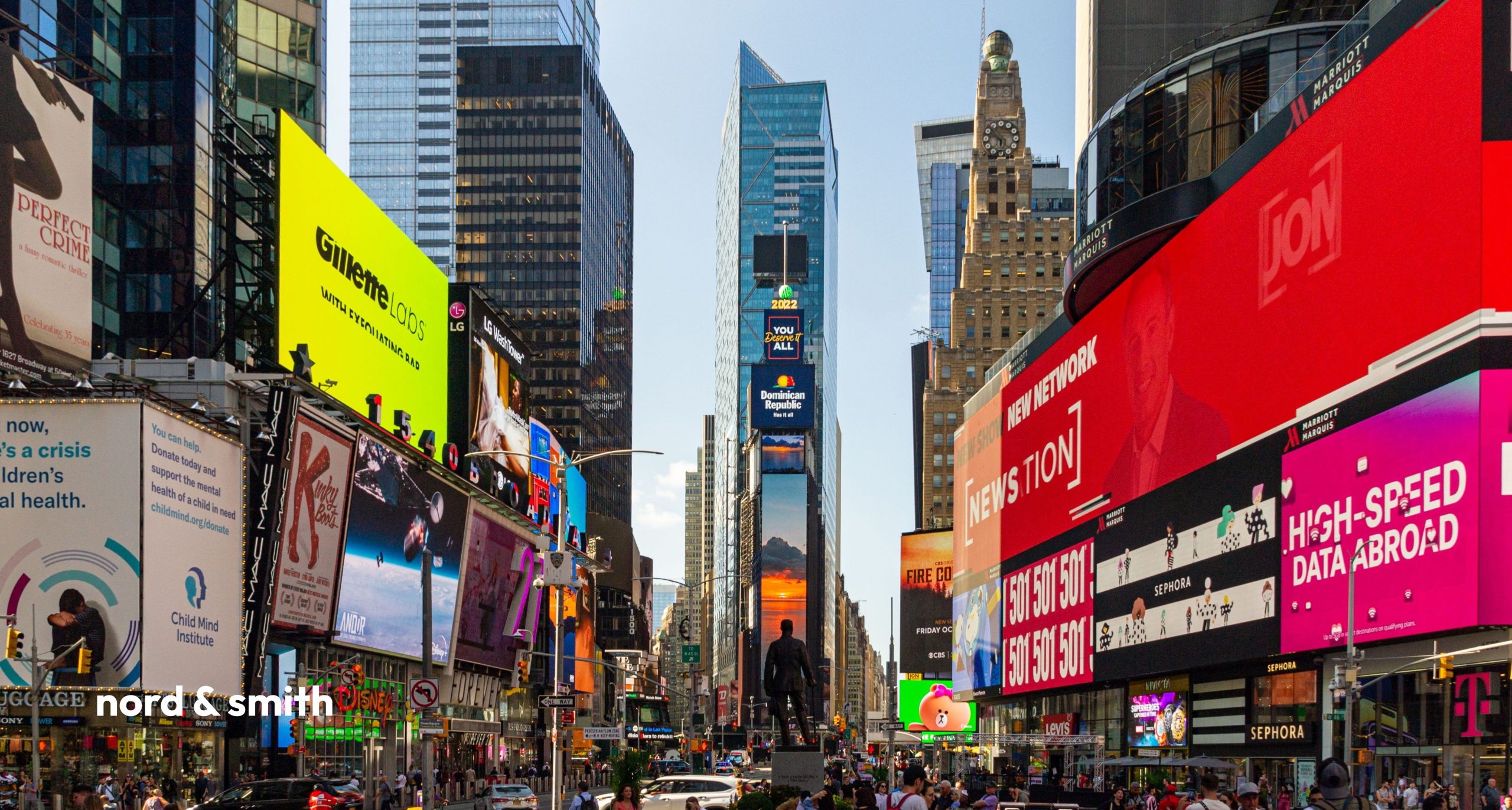
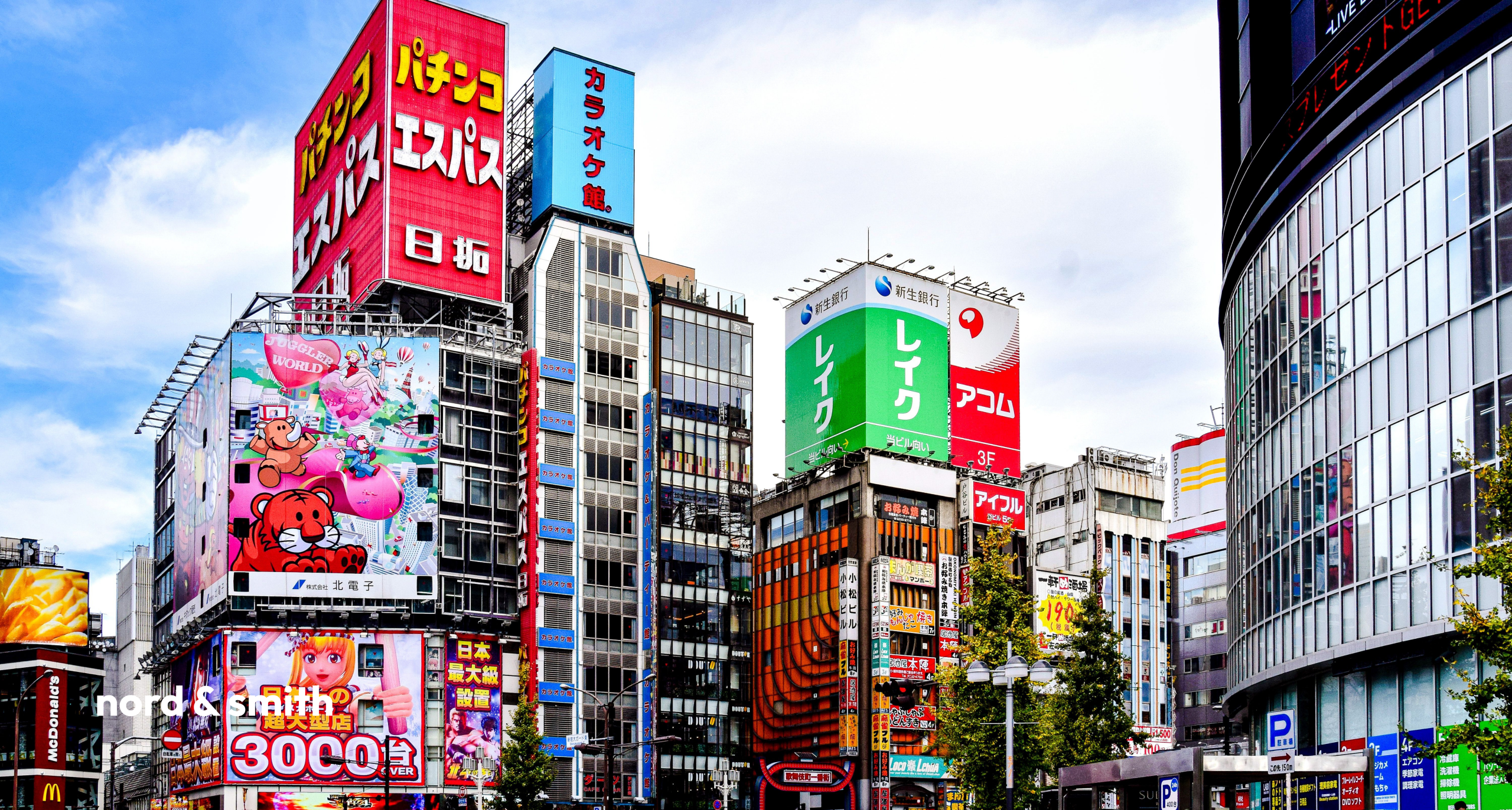
This gap is particularly evident in markets like Hong Kong, where a study by Hong Kong Baptist University reveals that OOH is underperforming because ads have become “visual wallpaper.” Many campaigns there rely on repetitive tropes, like generic celebrities and overcrowded text, which leads to consumer immunity and low purchase intent.
Hence, to avoid wasting budgets and hindering success, brands must pivot toward simplicity and originality. By prioritizing clean designs with a clear CTA over excessive information, brands can transform OOH into a powerful driver of business results.
Poor Visibility
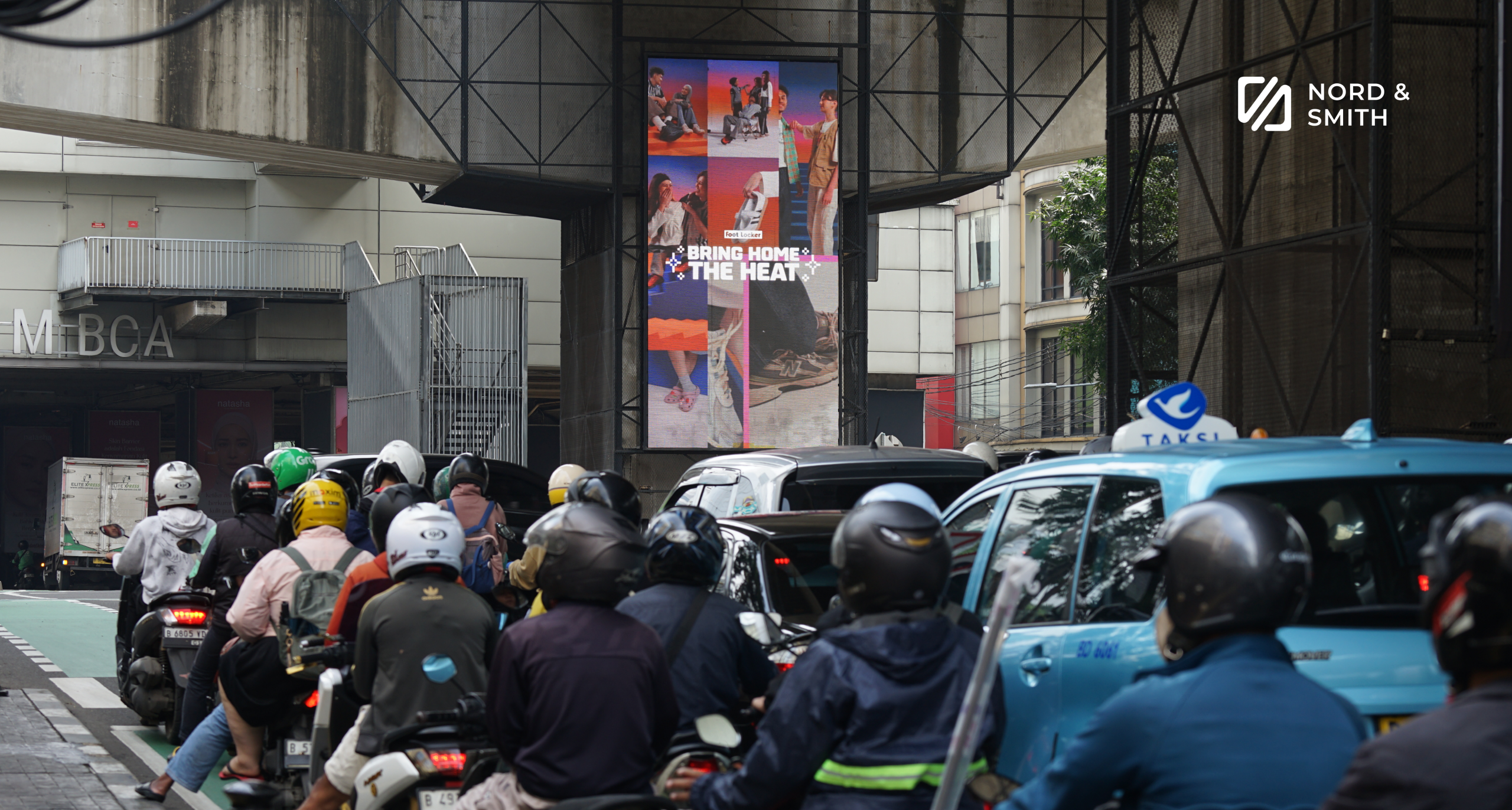
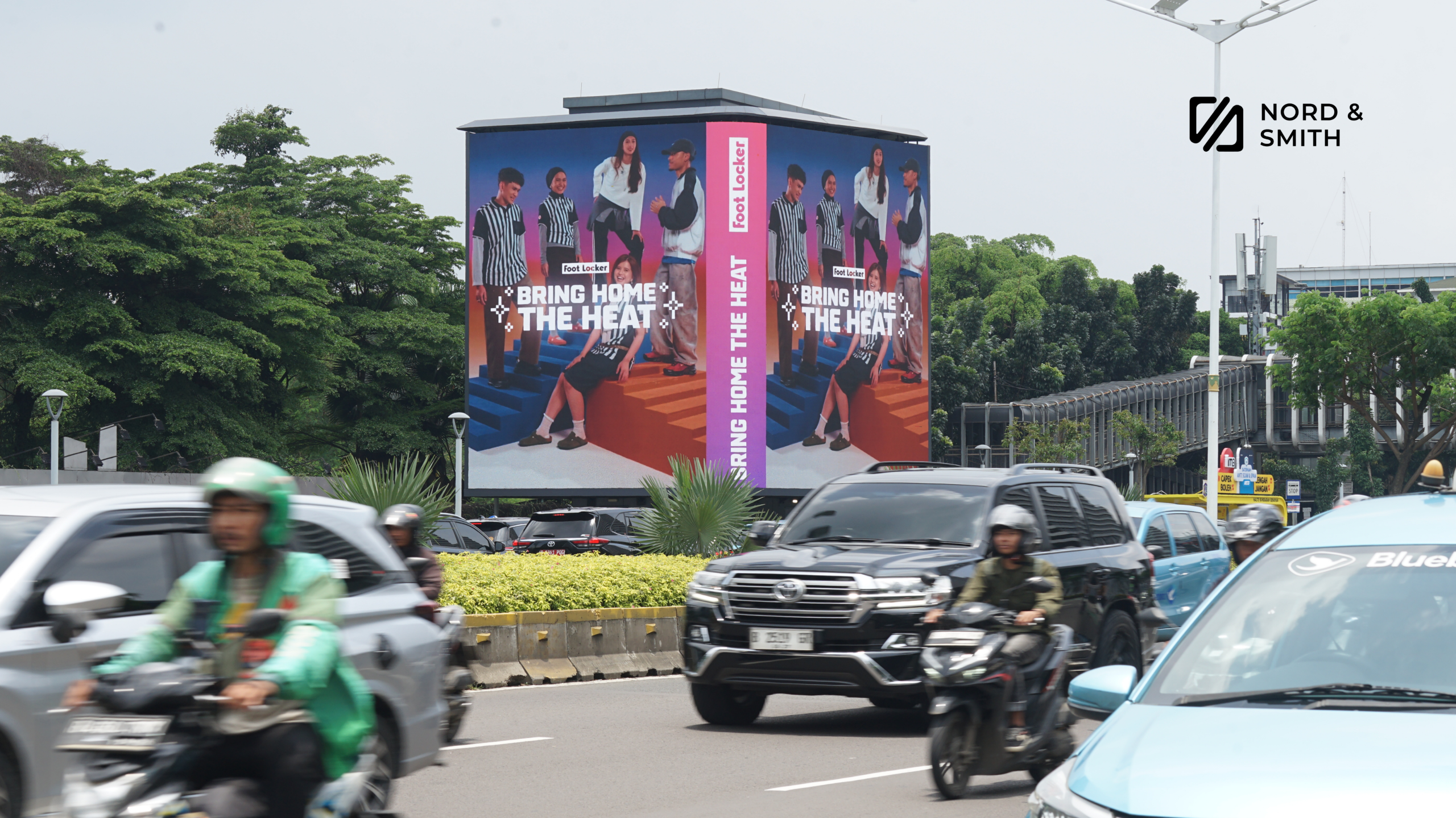
Nord & Smith’s analysis shows that high-visibility OOH ads receive almost twice as many views as low-visibility OOH ads. You certainly don’t want to advertise on a billboard that is blocked by physical obstructions such as buildings or trees. An ad may have the best design, creativity, and a well-placed location strategy. However, if it is placed where people must make extra effort to notice it, the campaign may deliver little to no impact.
Beyond physical obstructions, there are also many things to consider, including average traffic speed, surrounding OOH and their dominance, and even the perspective from the traffic perspective.
In conclusion, using OOH as your advertising media requires a deep understanding of its potential mistakes since it can significantly impact your campaign effectiveness. From non-strategic locations, an ad that has less creativity, and wrong placement, these are all the things to avoid. Placing OOH is not just about putting it in high-traffic areas, but it’s about a well-planned strategy.
Get your OOH campaign planned and executed with the right strategy with Nord & Smith, the data-driven OOH agency you can definitely trust.