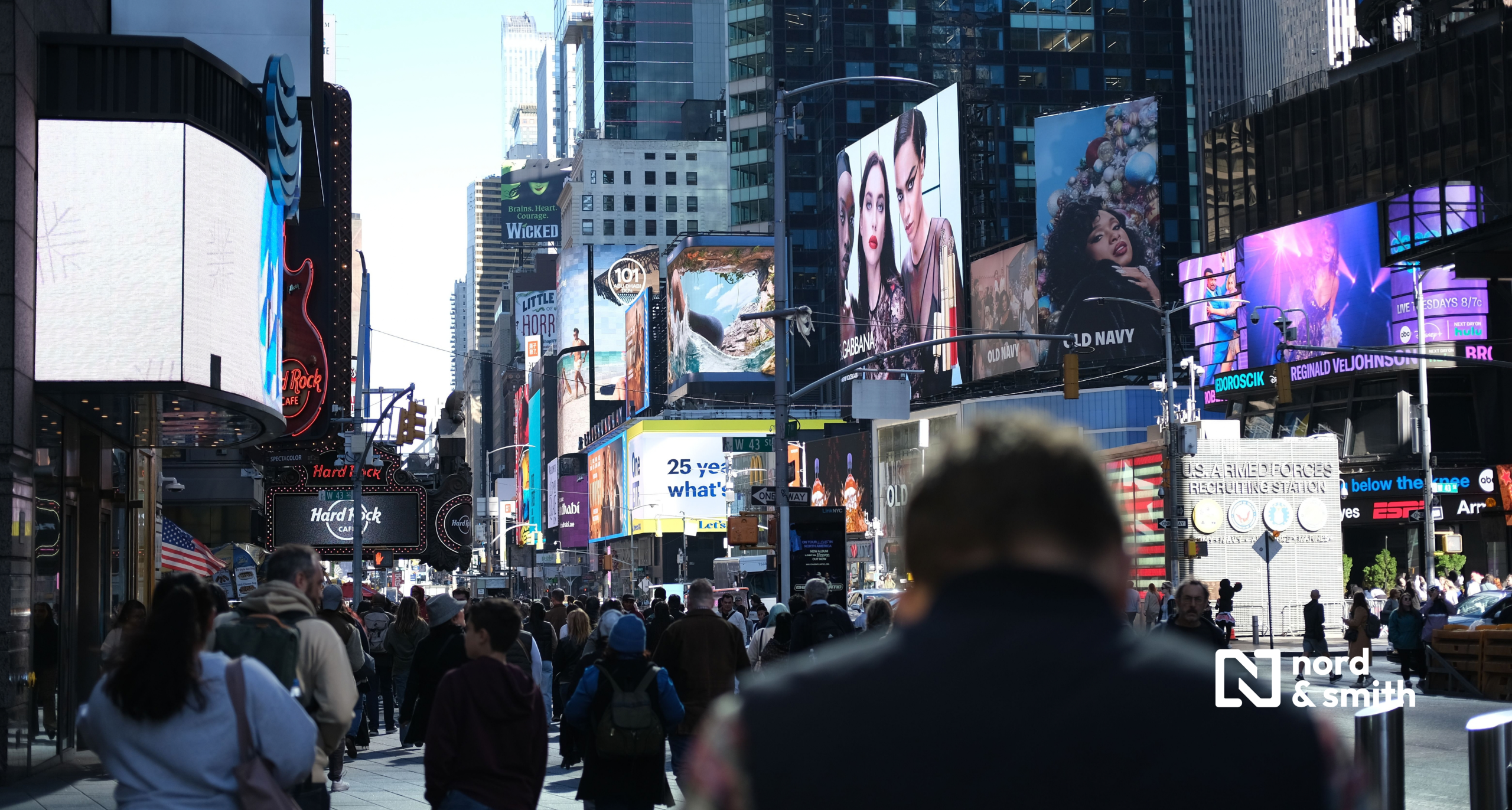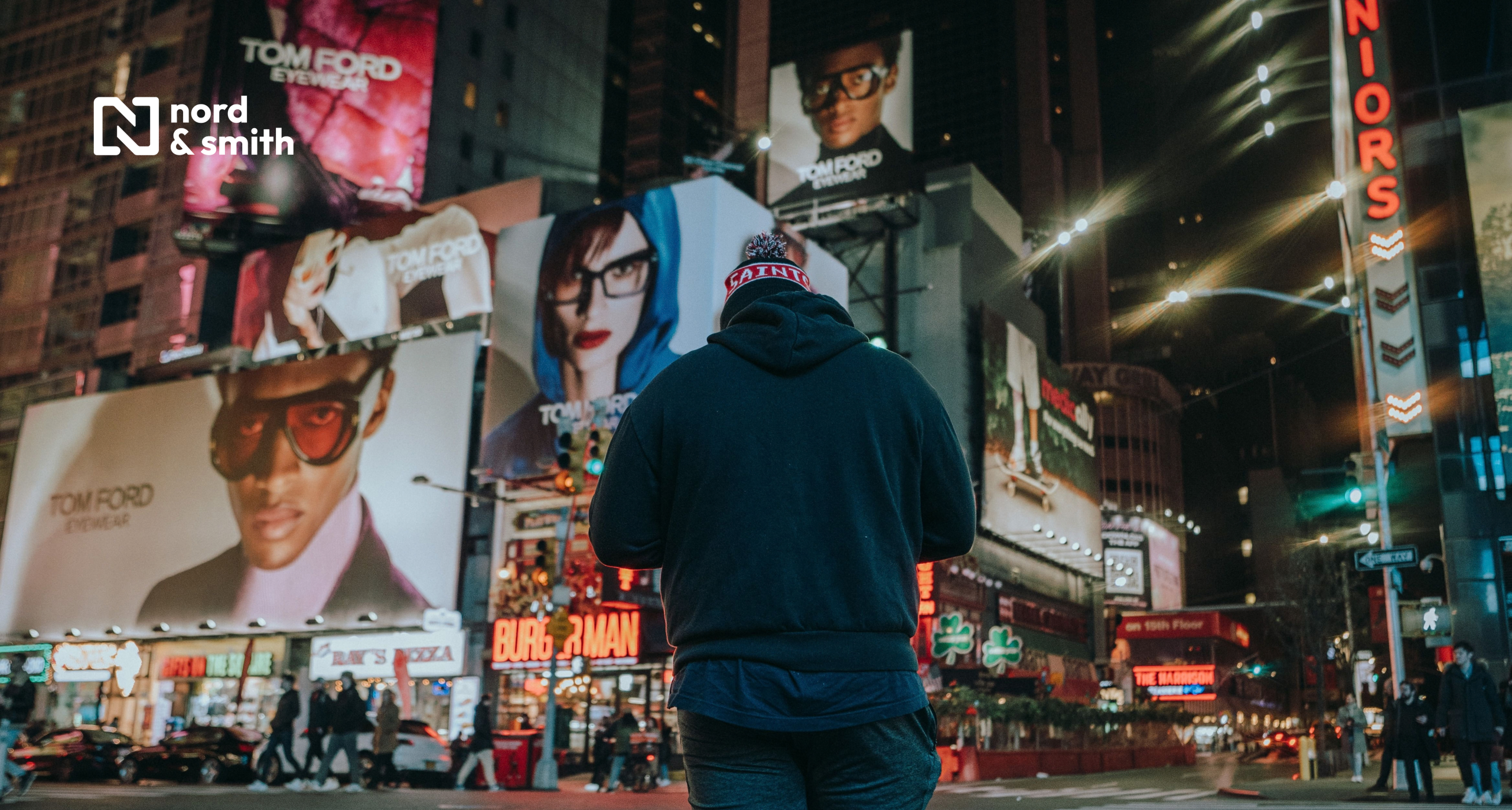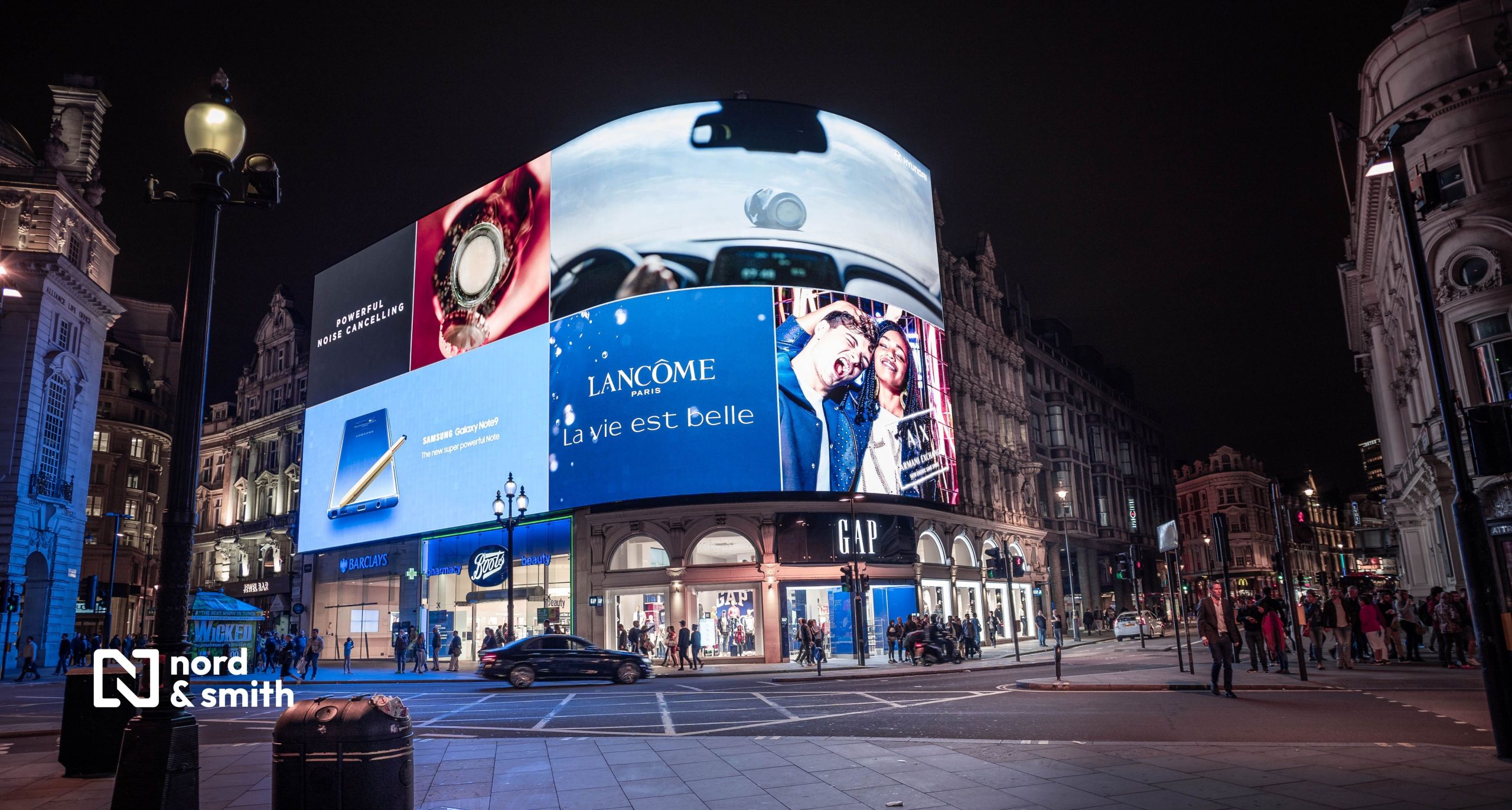
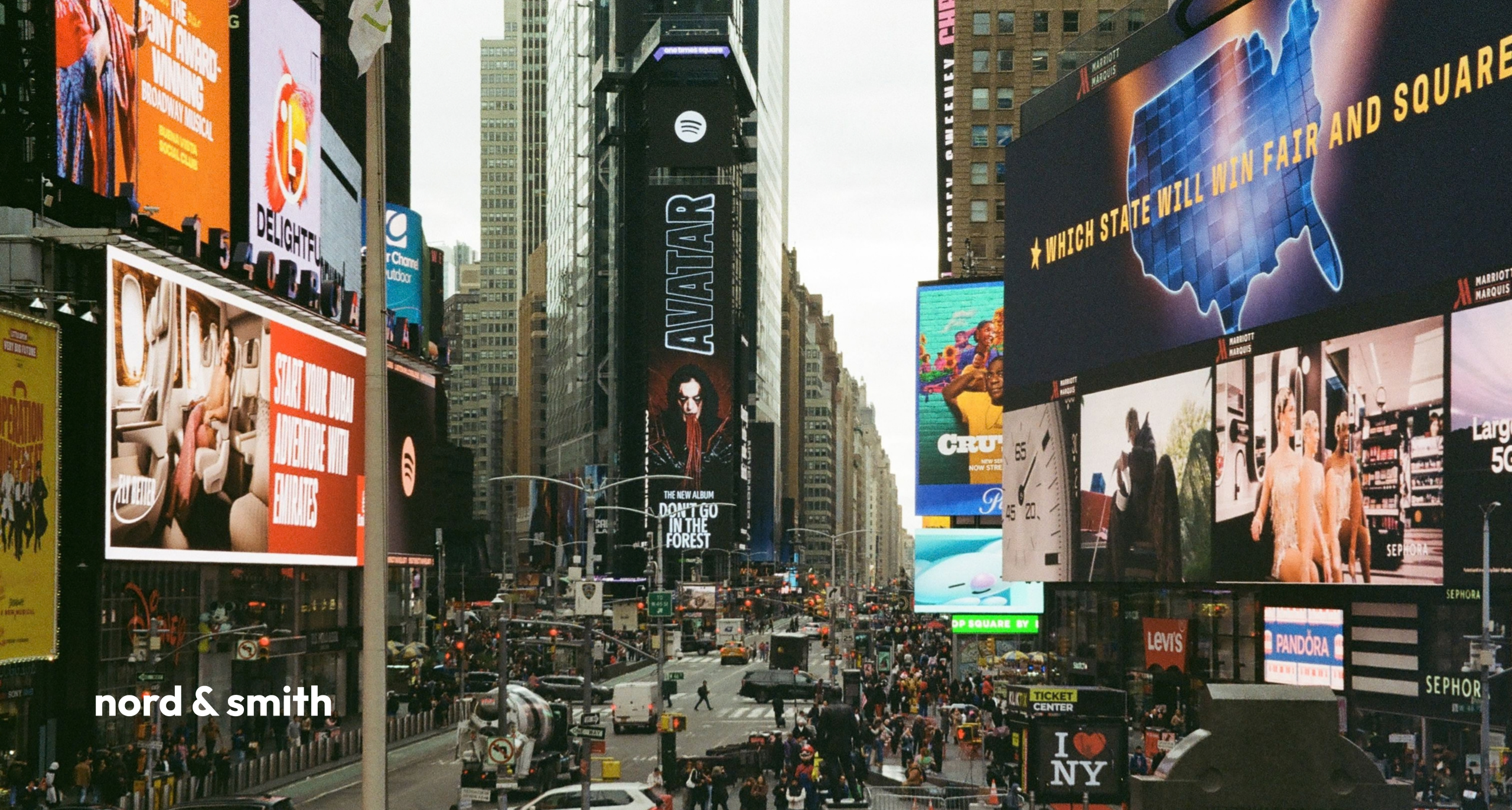
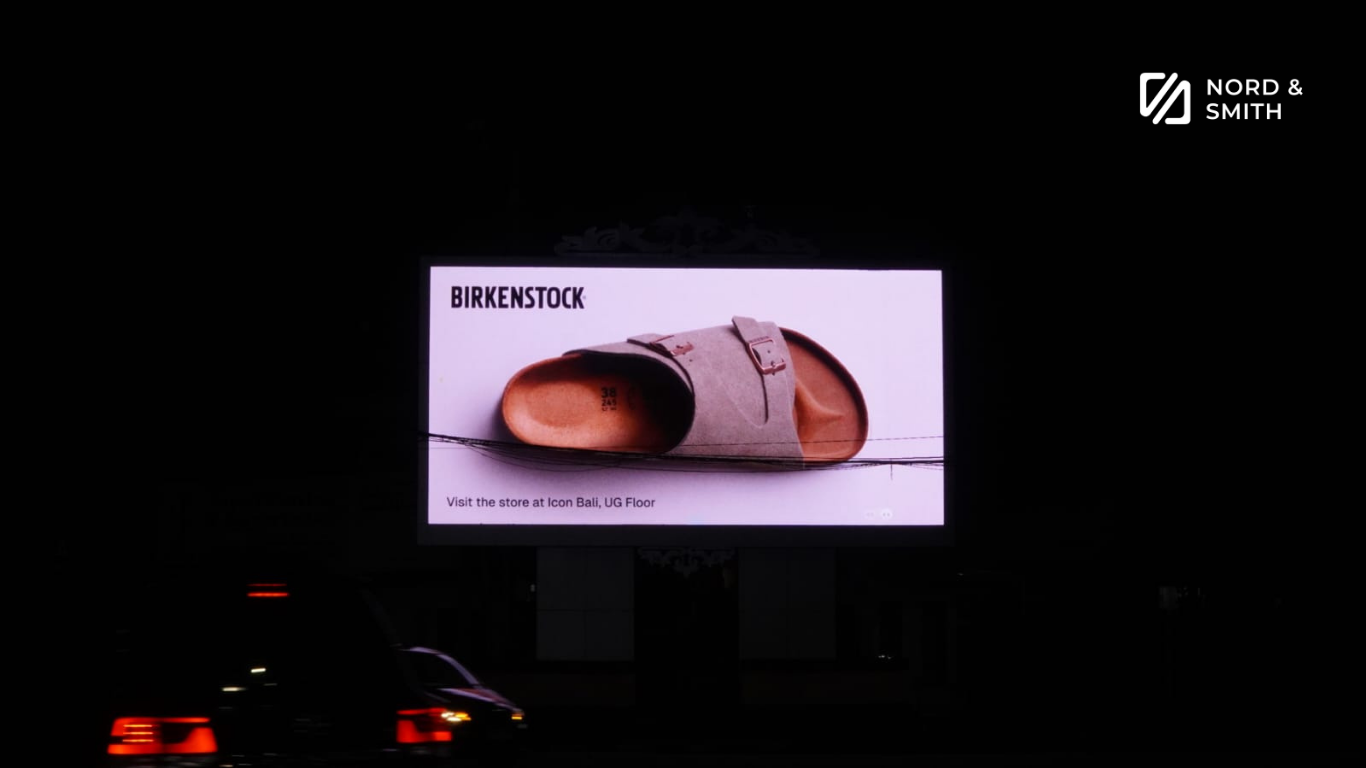
Out-of-Home (OOH) advertising is showing steady growth in Q1 2026.
This is mainly driven by the fast development of Digital Out-of-Home (DOOH), programmatic technology, and higher demand from advertisers who want strong visibility in the real world. Globally, OOH is still considered one of the most stable media channels. According to Dentsu, total ad spending is expected to grow around 5.1% in 2026, while OOH is predicted to increase by about 4.1%, showing a consistent upward trend. This projection is supported by early performance data by Nord & Smith that recorded a 3.23% year-over-year increase in OOH spending in Q1 2026 compared to Q1 2025, confirming that the medium is on track and gaining momentum heading into the rest of the year.
In the United States, OOH revenue reached $9.46 billion in 2025, up by 3.6% compared to the previous year. This also marks 19 straight quarters of growth, according to OAAA (Out of Home Advertising Association of America). This shows a strong position heading into 2026, especially with digital formats contributing a lot. DOOH alone increased by 10.5% and now contributes more than one-third of total OOH spending in the US.
The United Kingdom is having similar growth. Based on data from Outsmart, OOH revenue reached £1.44 billion in 2025, growing 2.6% from the previous year. Digital formats now take a bigger share of the market, making up around 67% of total spending. This shows how digital is slowly changing the OOH industry.
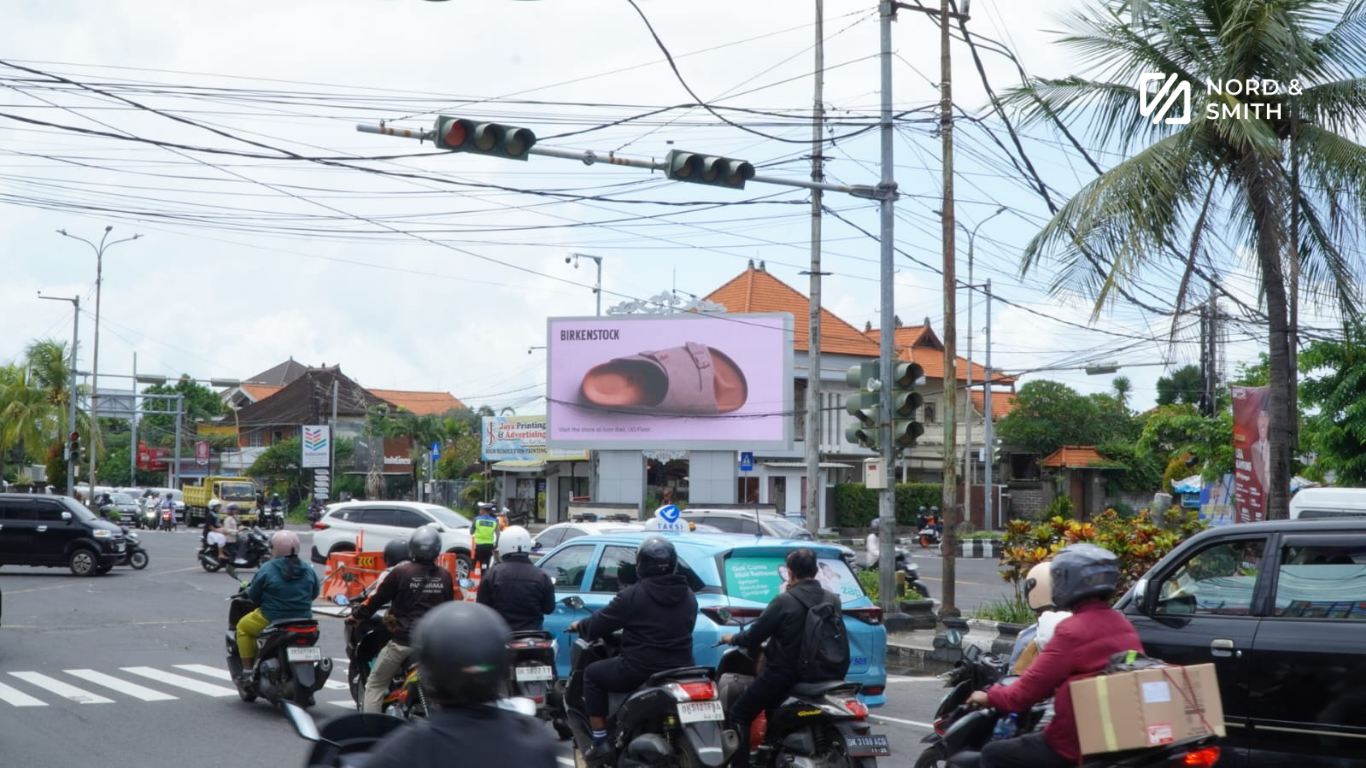
In Asia-Pacific, the growth is even stronger. Countries like China and India are expanding massively, supported by urban development, infrastructure growth, and the increasing use of digital screens. Based on Grand View Research, this region is expected to grow faster than the global average, making it an important driver for OOH in the future.
One key factor behind this growth is the strong performance of digital formats. Research from Fortune Business Insights shows that DOOH now contributes nearly half of global OOH revenue, which is much higher than traditional static formats. Its ability to show dynamic content, real-time updates, and more targeted messages makes it more appealing for advertisers.
Technology also plays a big role in this development. Broadsign explains that programmatic buying helps brands plan and purchase media more efficiently. In addition, data integration and AI tools support better audience targeting and campaign measurement. This makes OOH not only useful for awareness, but also more measurable and performance-driven.
Overall, OOH growth in Q1 2026 shows that the industry is starting to change and adapt. The rise of digital formats, improved technology, and changing consumer behavior are turning OOH into a more strategic media channel. It allows brands to combine strong physical presence with digital precision.
As media channels become more fragmented, OOH continues to stand out by offering visibility that is not only seen but also remembered. This is why more brands now consider OOH as an important part of their marketing strategy. To fully benefit from this, brands need the right approach, from planning to execution.
Get your OOH campaign planned and executed with the right strategy with Nord & Smith, the data-driven OOH agency you can definitely trust.