According to The Moment for Trust study by Clear Channel and JCDecaux, 31% of consumers trust out-of-home (OOH) advertising, with 49% even considering it more trustworthy than social media.
As a passively consumed channel, OOH also reinforces other media by increasing overall brand trust by 7%, making it one of the most effective channels for building credibility at scale. Its public and tangible nature further strengthens authenticity, which is why many brands continue to prioritize OOH in their marketing mix.
This is supported by Whistler Billboard (2025) which reports that nearly two-thirds of DOOH viewers take action after seeing a digital billboard. These actions include visiting a website, searching for the brand online, going to a physical store or restaurant, engaging on social media, and continuing interaction through mobile devices. This indicates that digital billboards are not only visually striking, but also effective in driving measurable consumer behavior.
At the same time, OOH advertising has evolved beyond simple visibility and now demands strategic impact at scale. Many brands enter billboard marketing without a clear framework, assuming that high exposure alone will deliver results. In reality, campaigns can become costly and ineffective when executed without proper planning. This article will explore more on how to market your product on a billboard effectively.
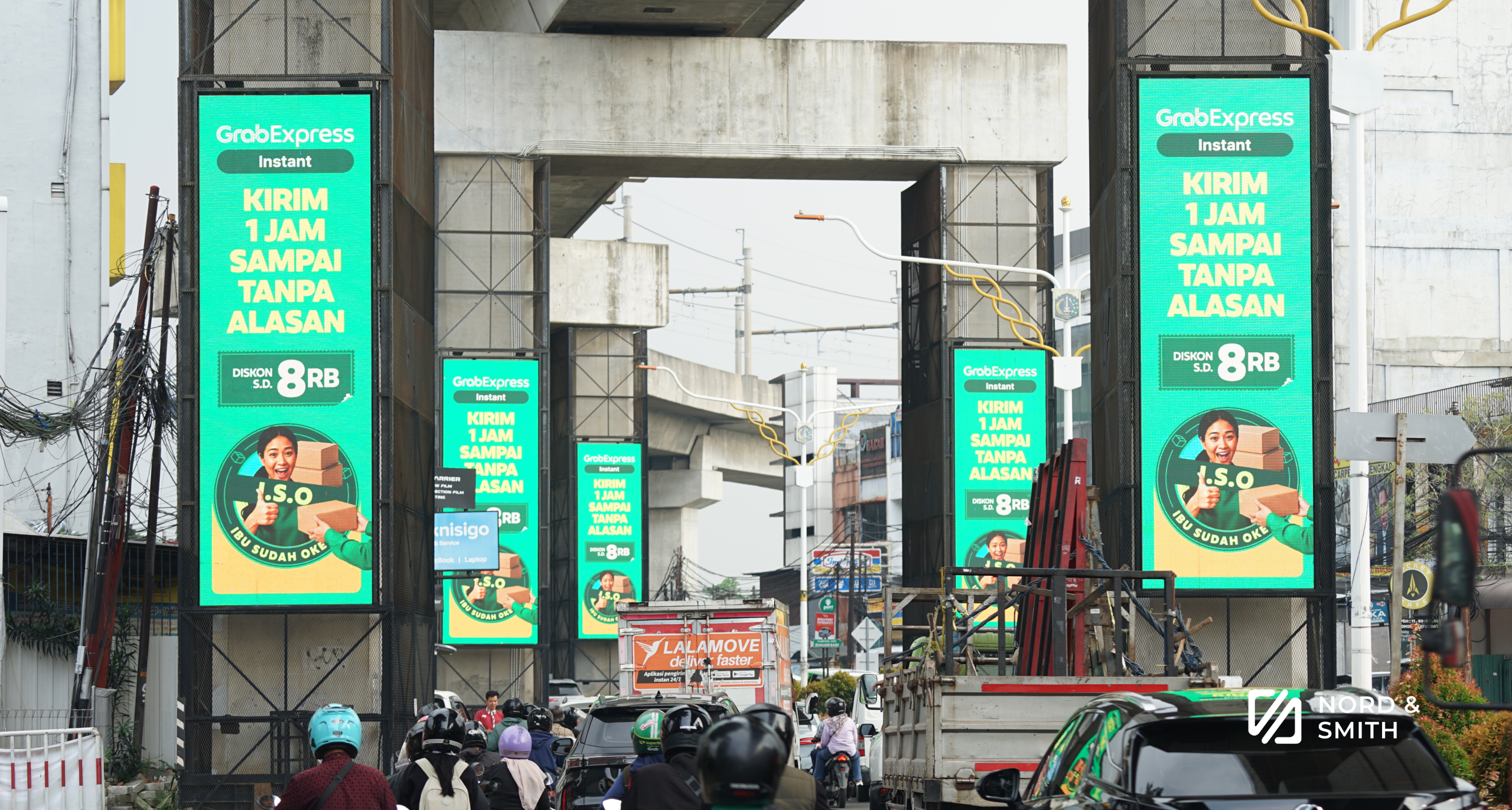
Strategic and visible location are important
Choosing the right location is the foundation of any successful OOH campaign, but visibility alone does not guarantee effectiveness. A billboard can be physically present in a busy area and still fail to deliver meaningful impact if the placement quality is poor. This is why evaluating the true effectiveness and quality of an OOH site matters just as much as where it sits on a map.
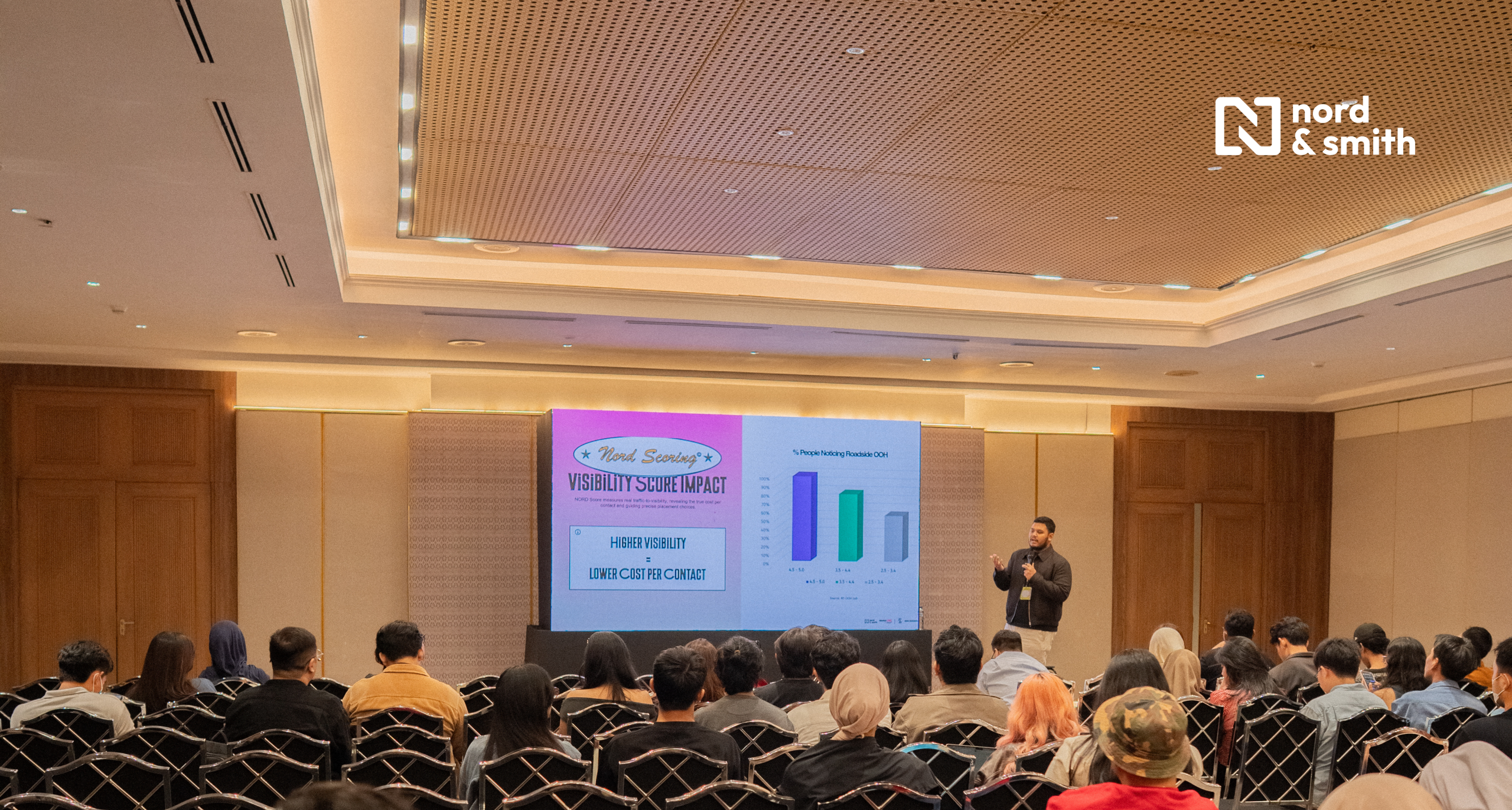
This is where Nord Scoring, our most accurate OOH scoring tool, comes in. Nord Scoring goes beyond surface-level assumptions by assessing the factors that directly determine how well a placement actually performs, including viewing distance, average vehicle speed, visibility quality, surrounding OOH density, share of dominance, and road-user perspective. Each of these dimensions contributes to a more precise measurement of how effective a placement truly is. Our reliable dashboard ensures that impressions and reach are grounded in real visibility conditions, giving brands a clearer, data-backed picture of the quality behind every placement and not just the quantity.
It is equally important to ensure that billboards are free from obstructions that could block or distract from the message. When running an activation or event, placing OOH media near the venue can amplify impact by capturing the attention of passersby and encouraging spontaneous interest and attendance. Our dashboard also supports brands through ongoing monitoring and comprehensive reporting, helping translate campaign delivery into clear, measurable outcomes.
Understand Your Target Audience
Still closely related to location, but often overlooked by advertisers, OOH campaigns must take into account the characteristics of their target audience, including behavior, beliefs, and the local norms or regulations in the area where the ad is placed. It is also important to avoid any offensive or controversial content that could damage your brand’s reputation.
Pay attention to the audience’s demographic profile, such as gender, age, and interests. A clear understanding of who your audience is will help determine the most effective message, visuals, and placement. This is why brands need a well-defined strategy and a strong awareness of how their audience interprets and responds to the advertisement being shown.
Don’t Go With Basic Visuals and Cluttered Message
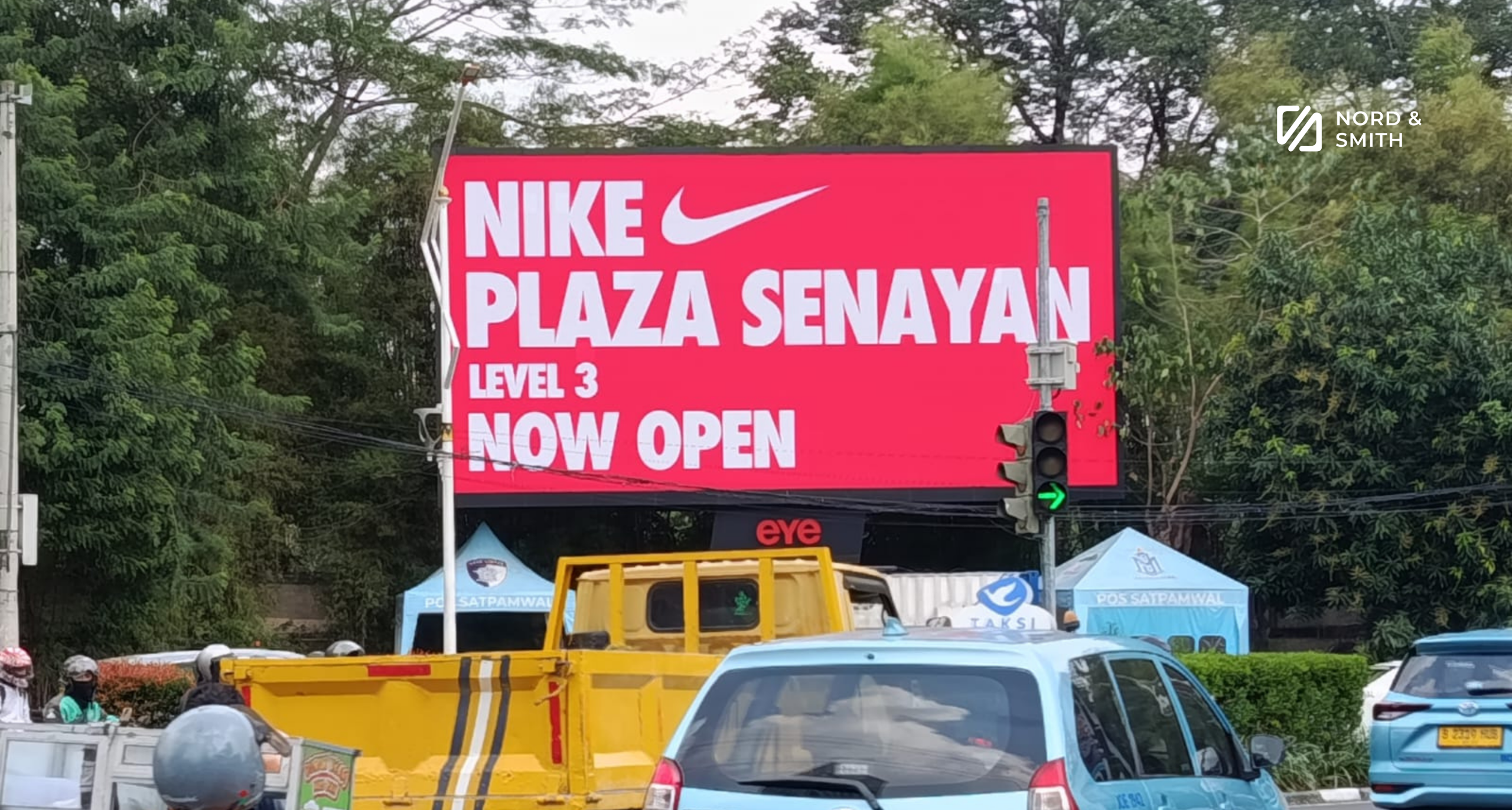
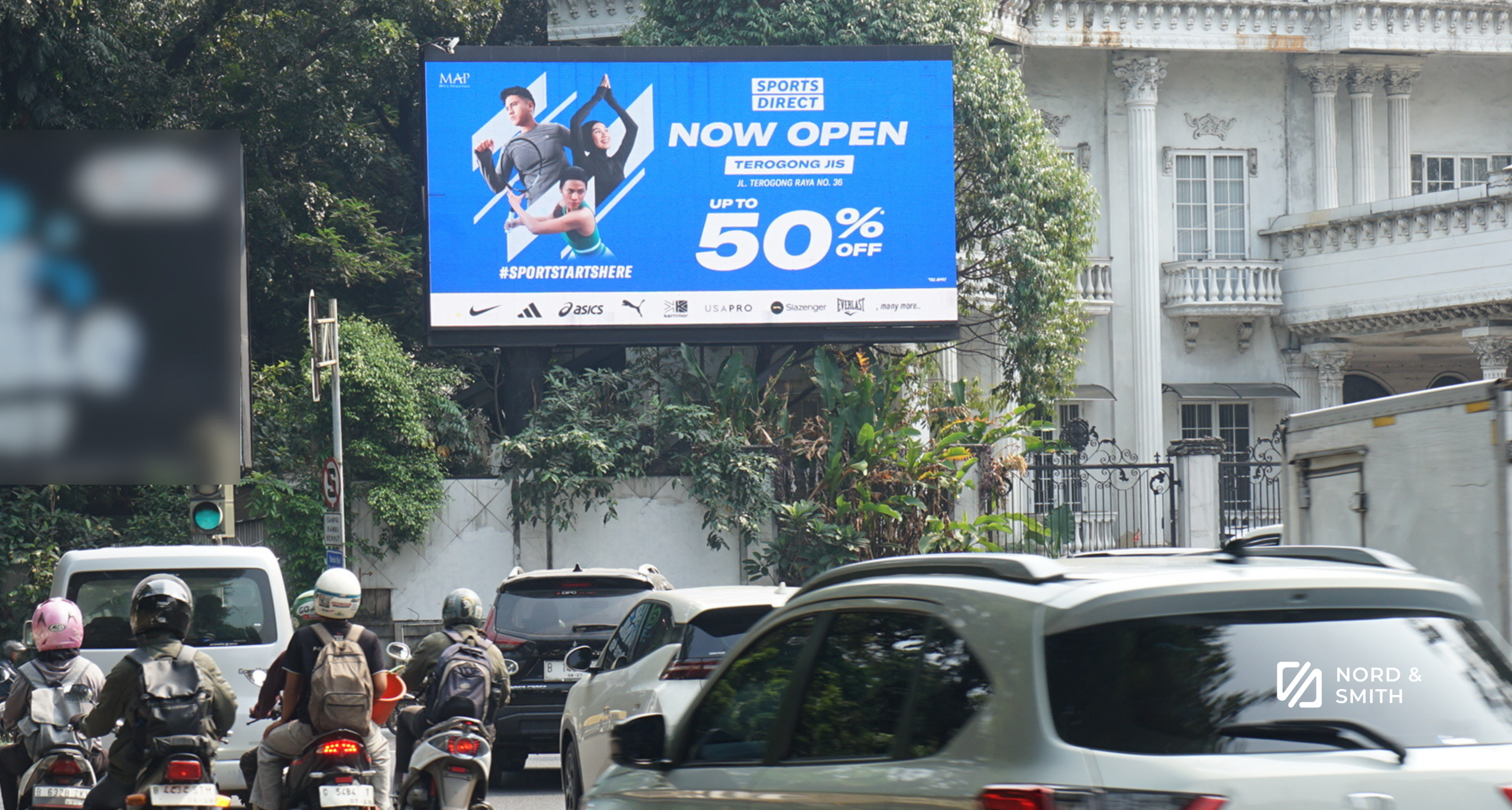
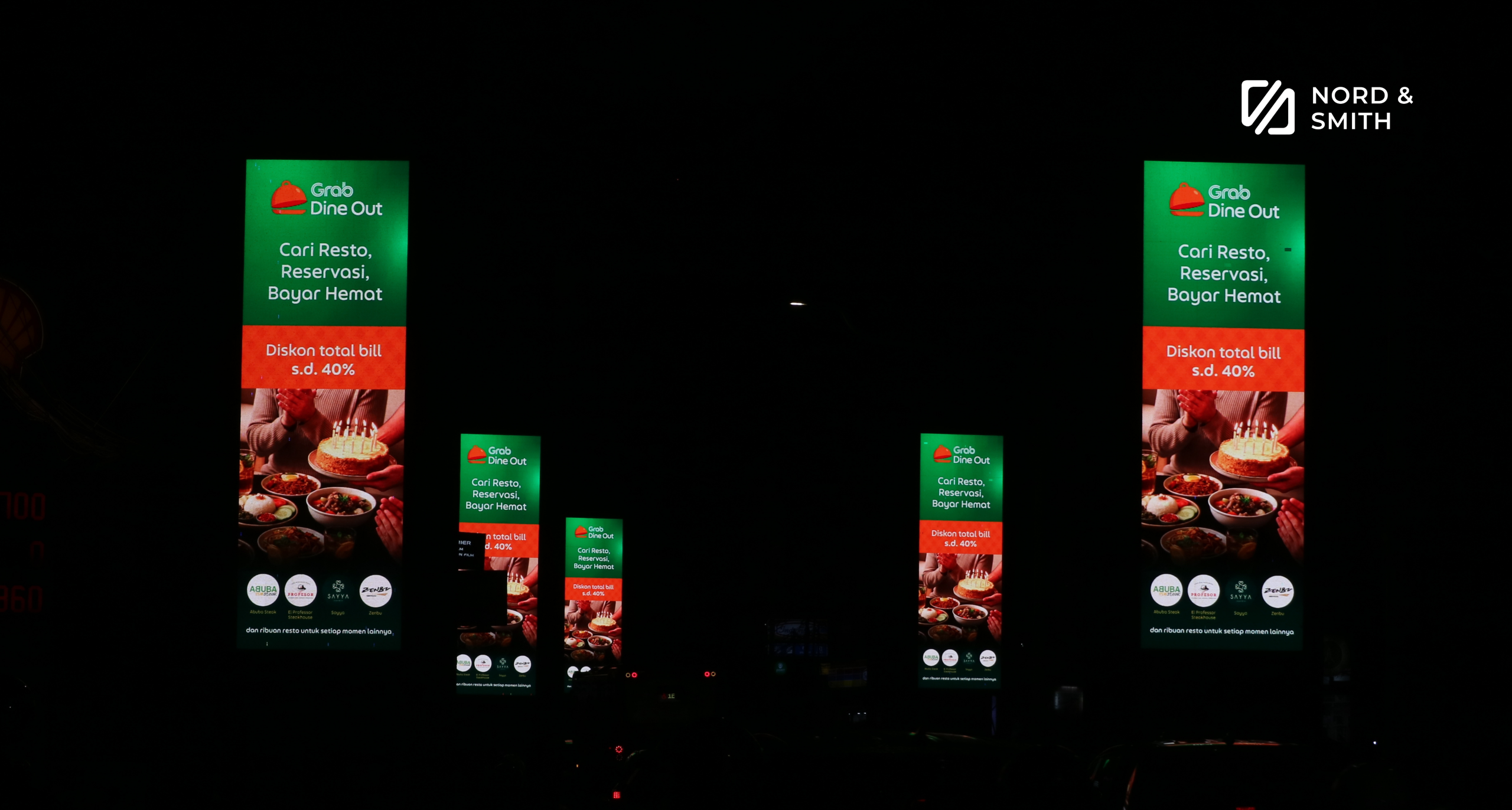
Research indicates that the average human attention span is only about eight seconds. This means it’s important to use designs that go beyond the ordinary and stay flexible. That is why a billboard must capture attention and communicate a clear message within seconds. Use bold, high-impact visuals that can tell a story even without text, paired with concise and memorable copy that is easy to catch the audience’s attention. A strong call to action should also be clearly visible, guiding the audience on what to do next.
At the same time, make sure the overall design is clean, visually attractive, and aligned with your brand identity. Use contrasting colors for better visibility, legible fonts for readability from a distance, and imagery that remains relevant to both your product and the surrounding environment so the billboard stands out rather than blending in.
Choose the Right Timing
This step is crucial for maximizing the impact of your billboard campaign. Consider launching during peak sales periods or major events when audience attention and purchasing intent are higher, so your message reaches people at the most relevant moment.
It is also important to plan the campaign duration and frequency carefully. Make sure your message runs long enough to be noticed and remembered, and if budget allows, use repeated placements over time to strengthen brand recall and build consistent visibility.
In conclusion, billboard advertising remains a highly effective channel for building brand awareness at scale, as Rebound Ads (2025) highlights its strong visual impact and ability to reach wider audiences in high-traffic areas. However, to drive impactful results such as engagement and conversion, your brand needs to go beyond visibility by balancing placement, timing, and creative execution strategically.
Get your OOH campaign planned and executed with the right strategy with Nord & Smith, the data-driven OOH agency you can definitely trust.