
The Attention Economy: Why Out-of-Home Advertising Still Wins
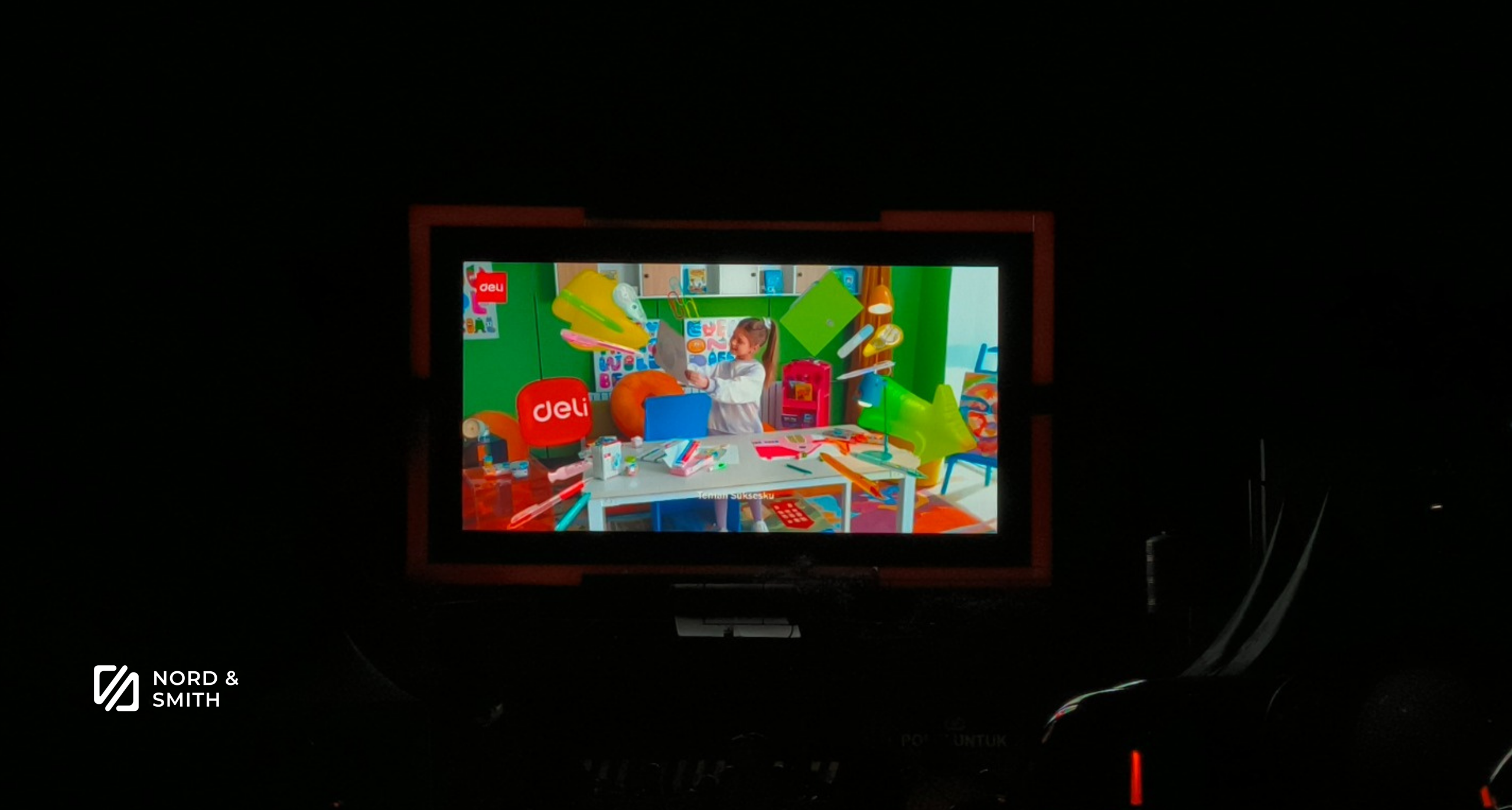
As digital saturation grows, brands are rediscovering the power of physical media.
The most contested resource in modern marketing is not media inventory or algorithmic reach. It is attention.
Human attention is finite. That basic fact sits at the center of what economists and strategists now call the attention economy, a landscape where capturing genuine consumer focus has become harder and more expensive with each passing year.
What makes this moment significant for brands is that digital advertising, which was supposed to solve the attention problem, has largely made it worse. Digital formats are skippable, blockable, and increasingly subject to banner blindness, a conditioned tendency consumers develop to filter out anything that looks like an ad. Every brand bidding for space in the same social feed or search result is competing against every other brand for the same diminishing returns.
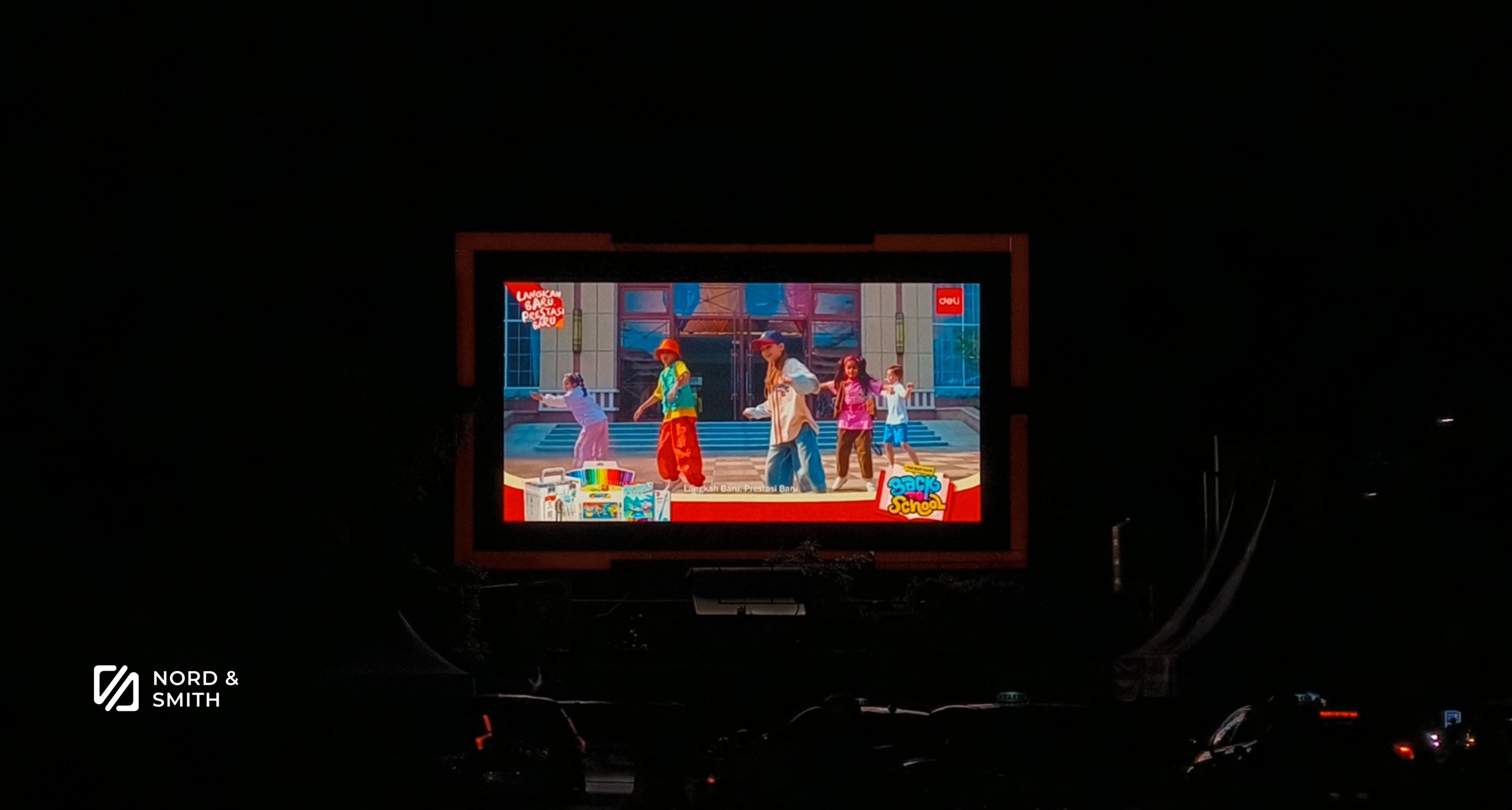
Out-of-home advertising operates by a different set of rules.
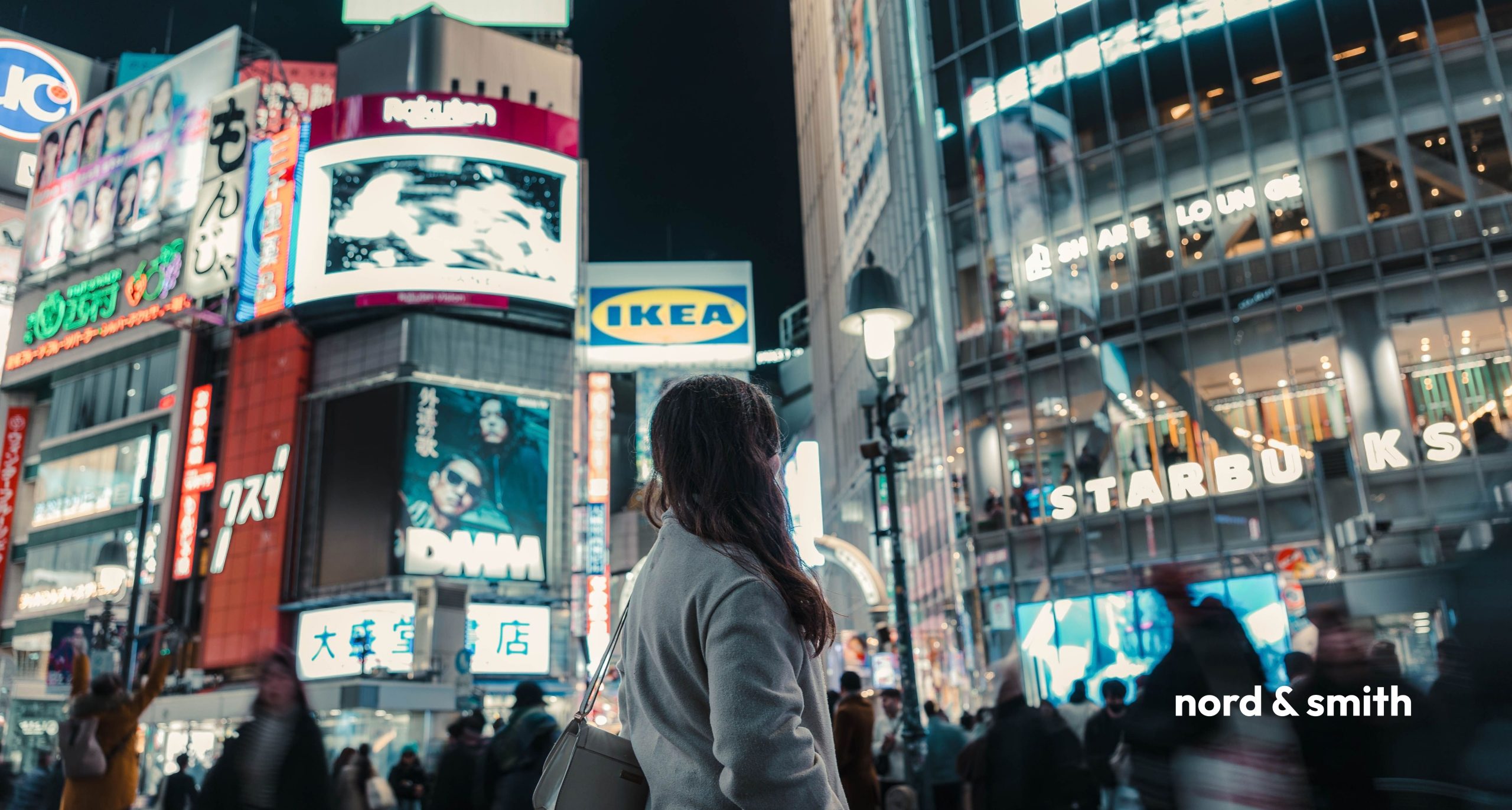
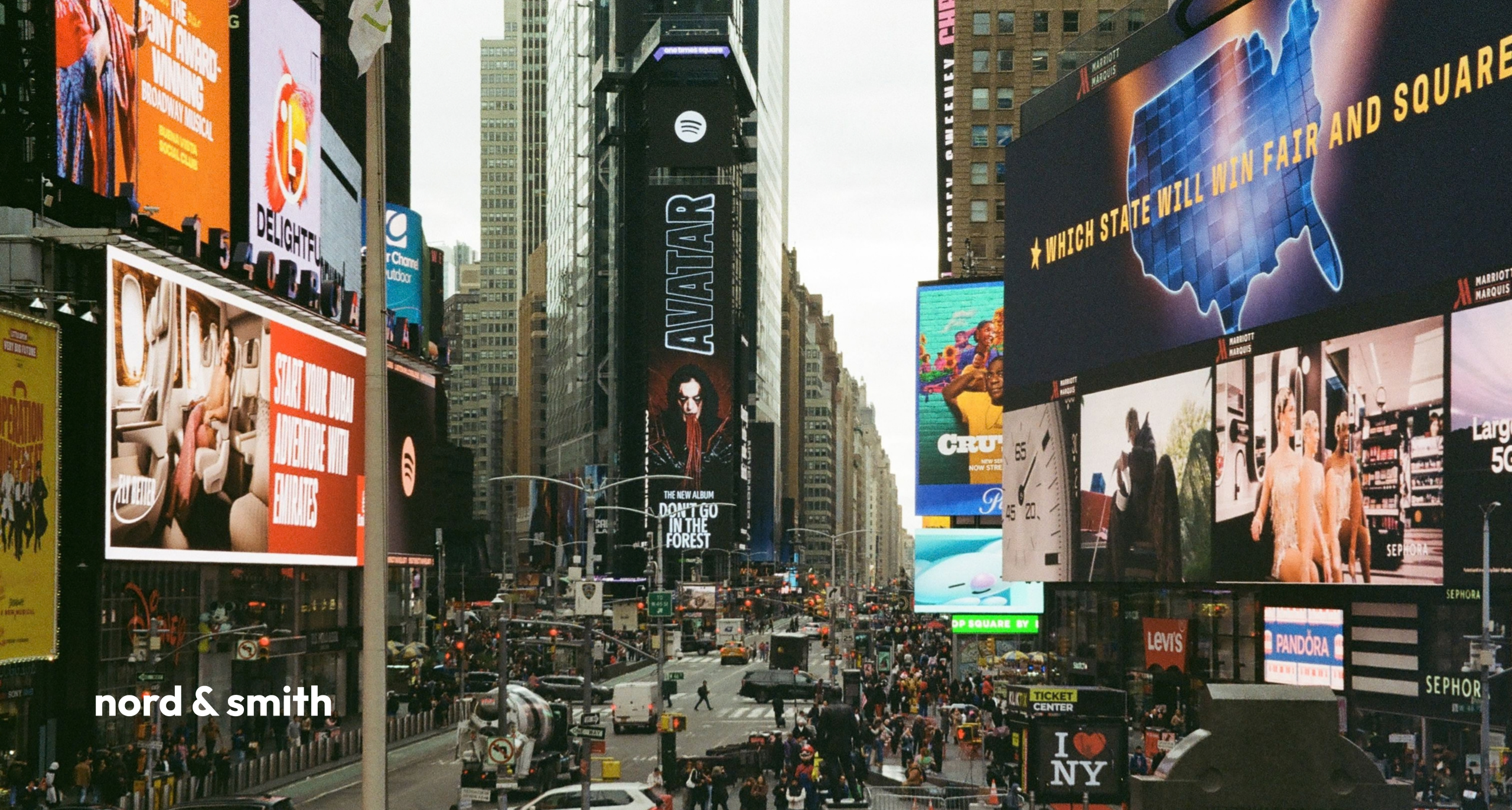
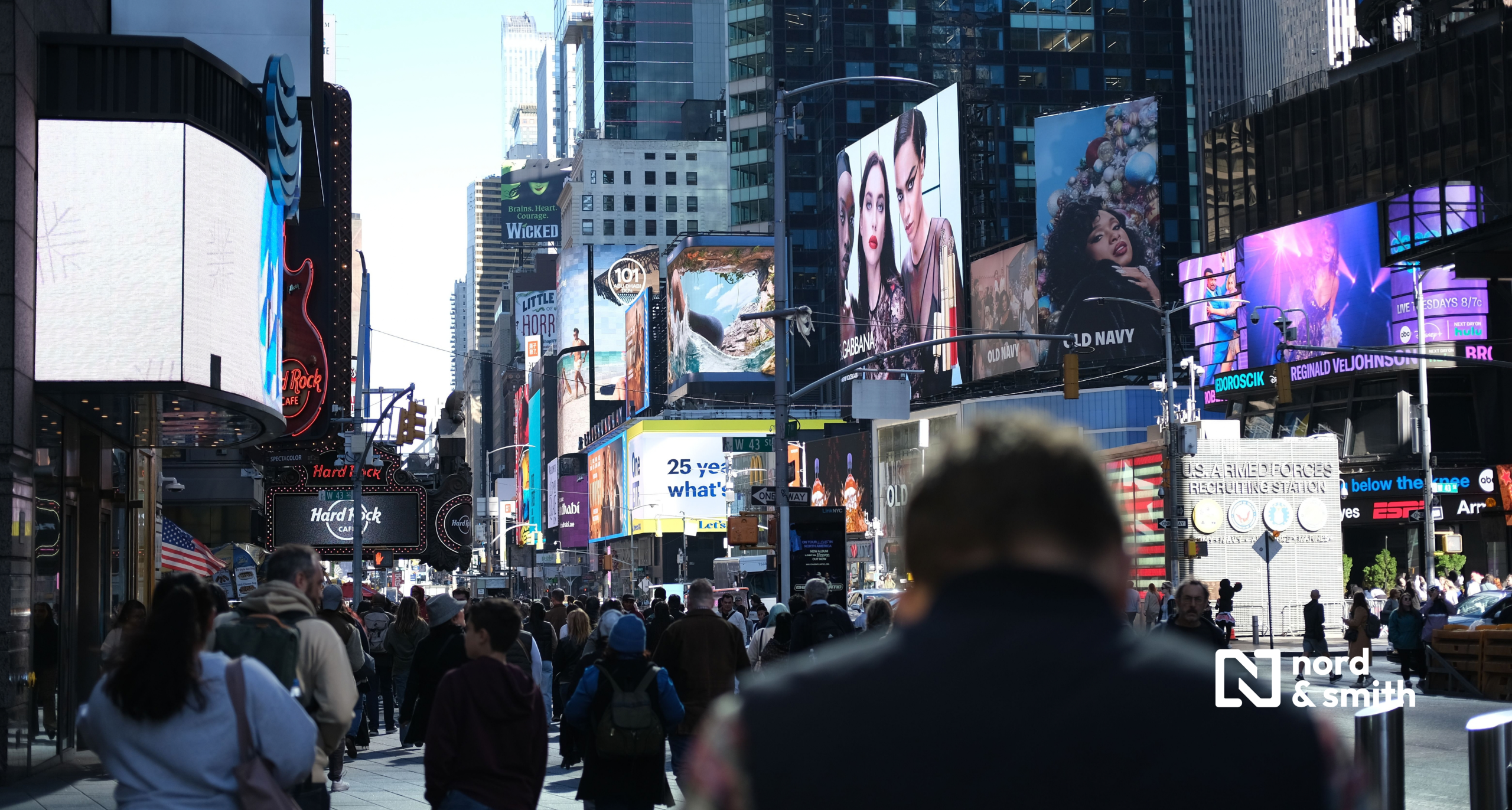
A billboard cannot be dismissed. A transit ad cannot be fast-forwarded. OOH enters the environment the consumer is already moving through, making exposure a function of presence rather than a choice the consumer has to make. That is a structural advantage no digital format can replicate.
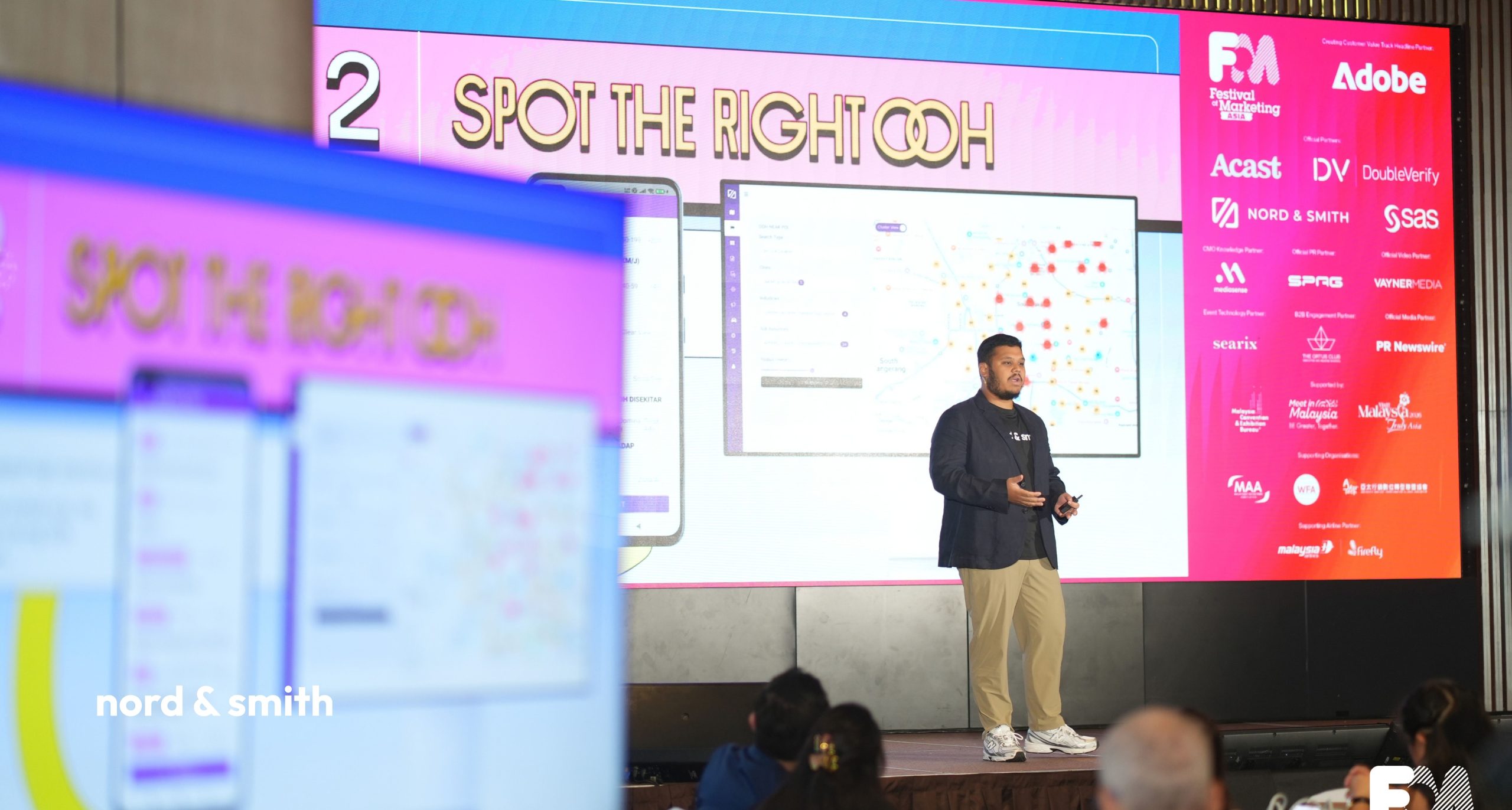
Beyond non-skippability, OOH offers contextual relevance. Data-driven OOH strategy is built around consumer movement patterns, dwell time, and location behavior. The result is a format that places brand messages into moments of natural alignment, reaching the consumer where the context is already right.
There is also the question of intrusion. Digital advertising operates within private spaces: a personal social feed, a messaging app, a browsing session. OOH operates in shared public space. It does not track or retarget. It is simply present. Research in consumer psychology consistently finds that non-intrusive formats generate less resistance and higher long-term recall than those perceived as disruptive.
In markets like Indonesia, where urban density is high and commute times are long, these advantages compound. OOH reaches consumers across the significant portion of daily life that happens outside the home and outside the screen.
The attention economy has not made physical advertising obsolete. It has made it more strategic. As digital channels grow noisier, the physical world becomes one of the few environments where genuine attention is still structurally available. For brands willing to approach that opportunity with the right data and placement intelligence, OOH remains one of the most powerful tools in the mix.
Get your OOH campaign planned and executed with the right strategy with Nord & Smith, the data-driven OOH agency you can definitely trust.