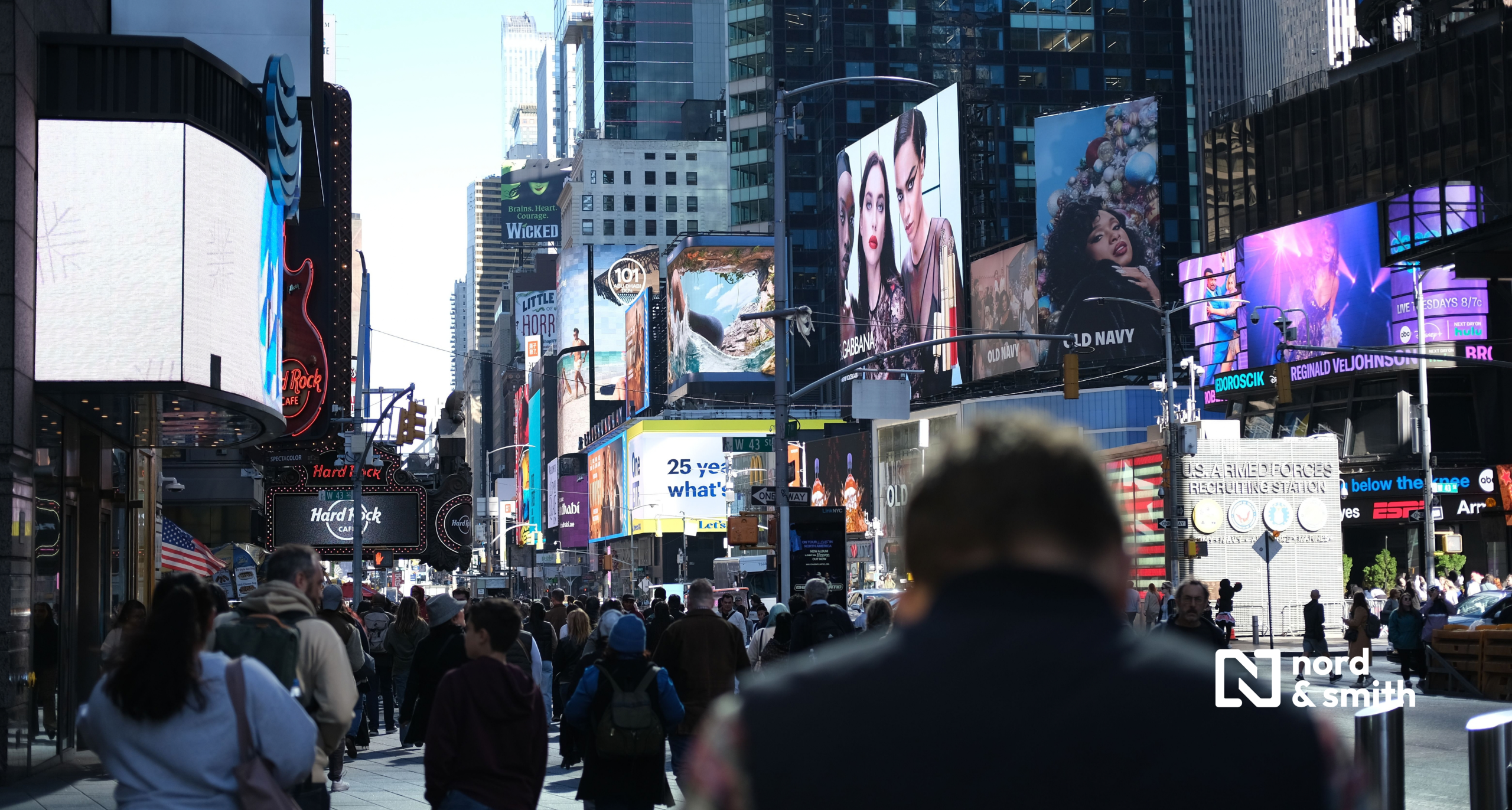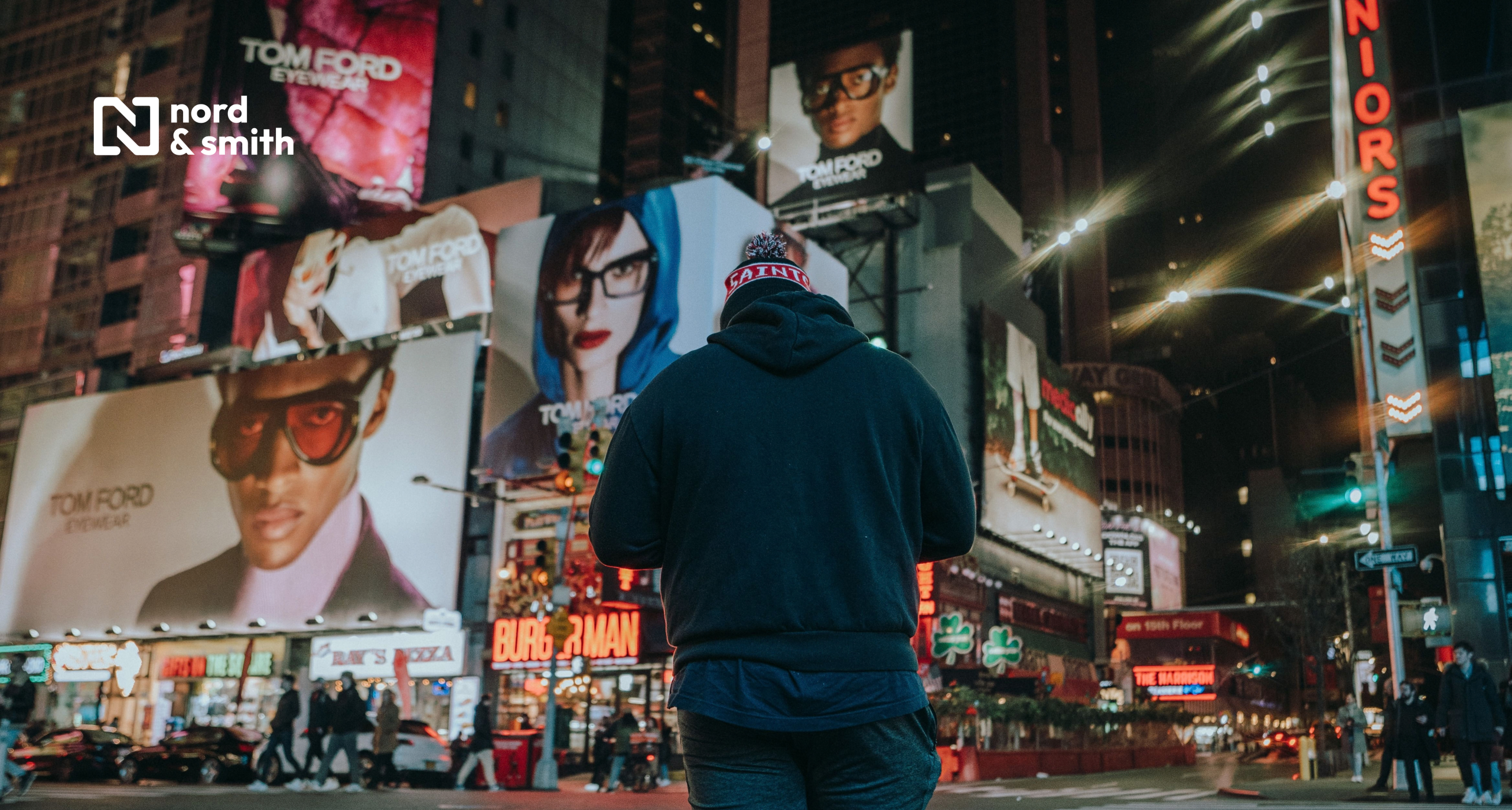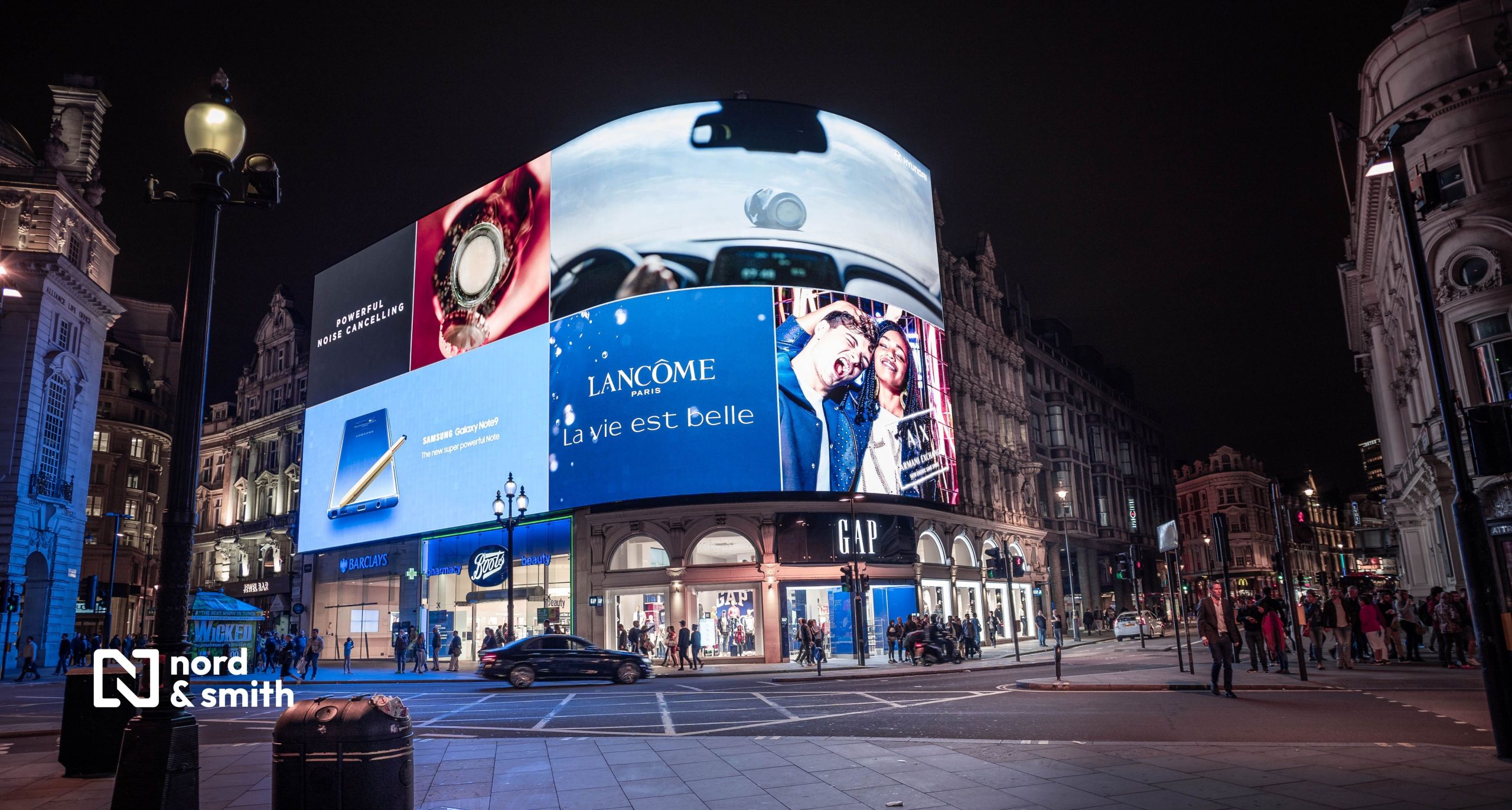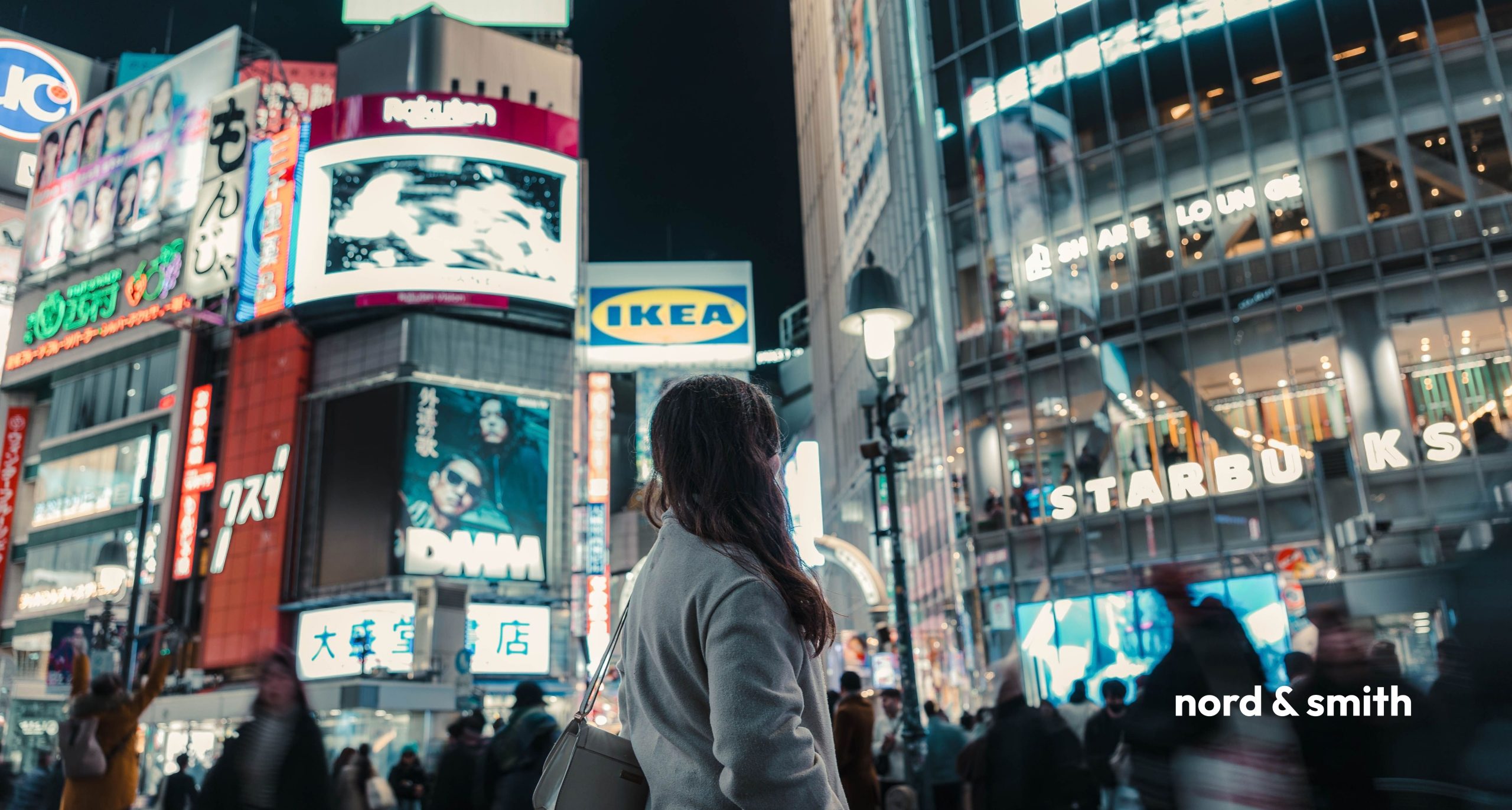
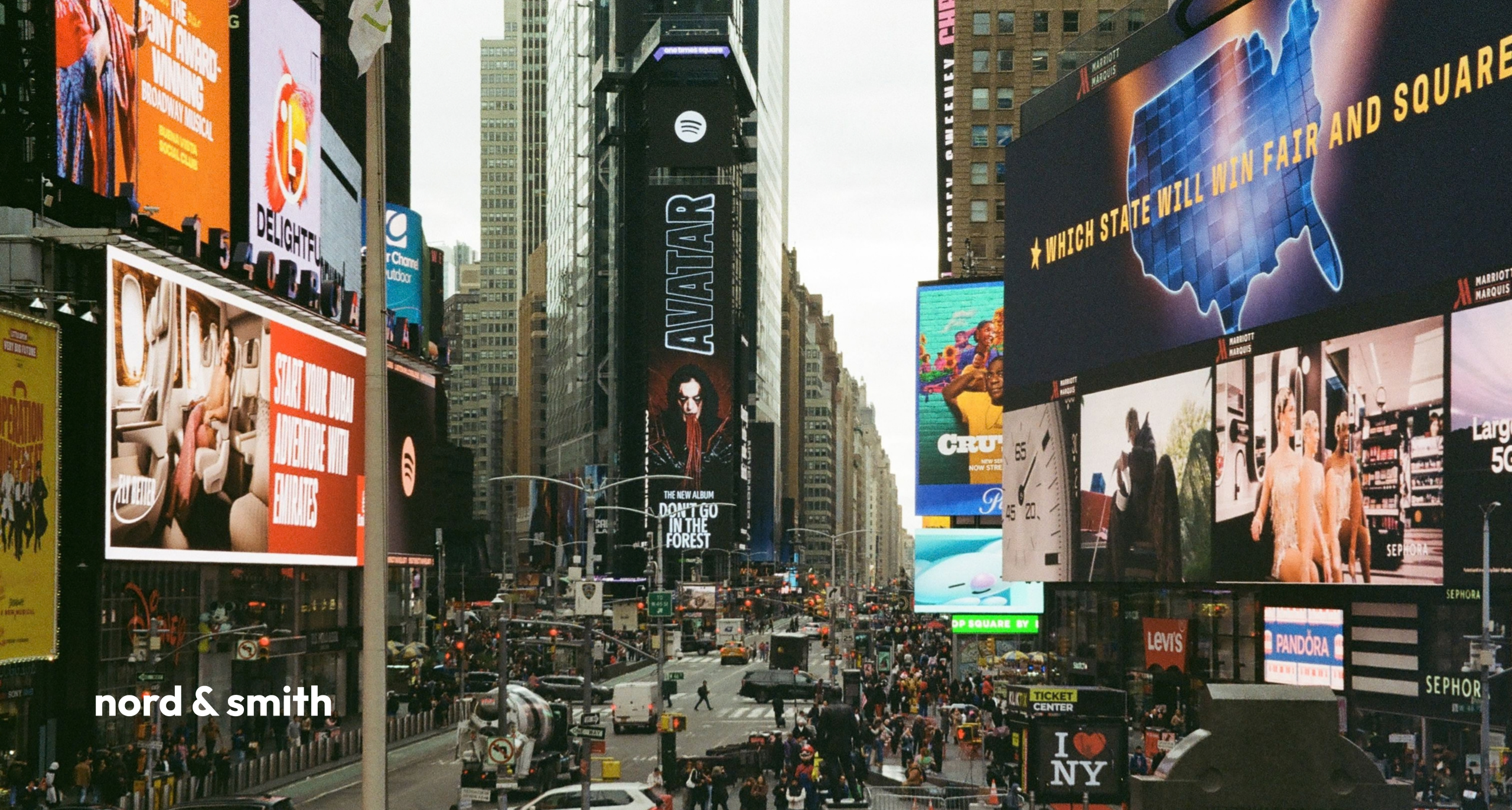
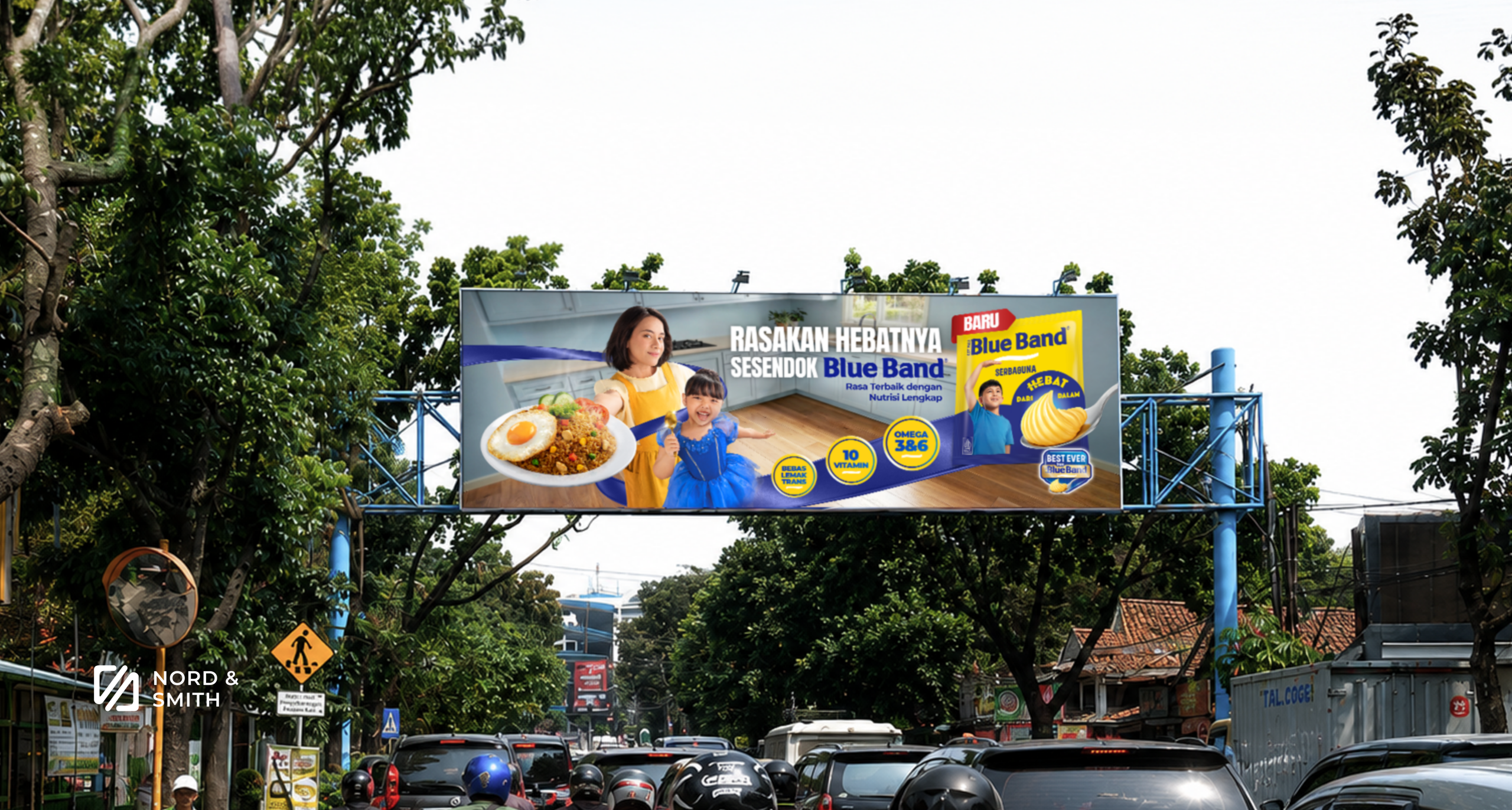
Out-of-home (OOH) advertising is more than simply placing a large ad on a billboard or digital screen.
The real strength of OOH lies in placement strategy. When an ad appears in the right location, at the right moment, and within the right environment, it can do more than increase visibility. In fact, it can influence how consumers think, feel, and eventually make purchase decisions. OOH includes billboards, transit ads, street furniture, digital screens, and other outdoor media formats that connect with audiences while they are outside their homes (Ipsos, 2019).
What makes OOH different from many other media channels is its presence in the real world. Unlike digital ads that can easily be skipped or ignored, OOH becomes part of people’s daily movement and routines, which is difficult to avoid. Research shows that outdoor advertising performs strongly in capturing the public’s attention. Digital billboards, in particular, are proven to hold attention longer than static formats, while repeated exposure during daily commutes helps improve memory and brand recall over time (EMC Outdoor, 2024).
Placement also shapes relevance. Consumers are more likely to respond to advertising when the message fits the context around them. An ad near a shopping mall, grocery store, fitness center, or transit stop can feel more timely because it connects with what people are already doing in that moment. This contextual relevance is one of the reasons OOH can influence purchase intent so effectively. In a study by Clear Channel Outdoor (2022), targeted OOH placements helped increase purchase intent by 20% and generated a 6.7% increase in sales per household among exposed audiences. Another study by Nielsen (2024) also showed that OOH contributed to a measurable lift in purchase intent and overall brand impact.
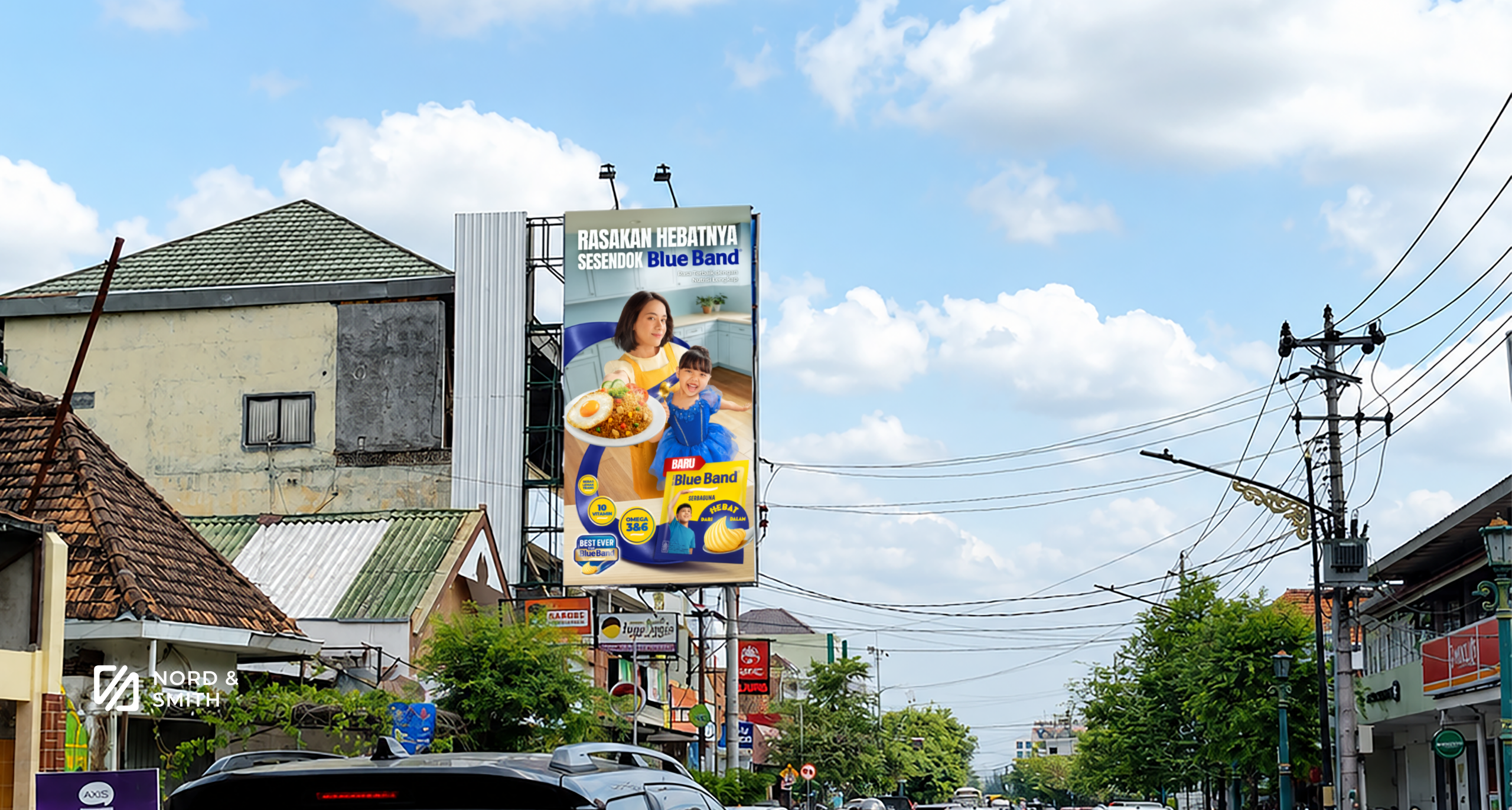
Frequency is another important factor in OOH placement strategy. Consumers rarely make decisions after seeing a message only once. However, repeated exposure across familiar routes and routines can gradually build stronger awareness, trust, and consideration. Seeing the same billboard during a daily commute or repeatedly noticing a digital screen near a retail area helps keep the brand top-of-mind when consumers are ready to purchase. According to OAAA (2023), audiences exposed to OOH campaigns multiple times were significantly more likely to visit stores and engage with brands compared to those with lower exposure levels. This shows that repetition in the right locations can directly support consumer action, not just awareness.
Timing has also become increasingly important, especially with the growth of digital out-of-home (DOOH). Unlike static formats, DOOH allows brands to adjust messaging based on time, weather, audience movement, or local situations. A coffee campaign can appear during morning rush hour, while food delivery ads can become more relevant in the evening. Weather-triggered messaging can also make campaigns feel more immediate and useful to audiences. According to Blip Billboards (2024), campaigns that use contextual timing and dayparting strategies often see stronger engagement and improved foot traffic performance.
At the same time, measurement capabilities within OOH have evolved significantly. These help brands measure outcomes such as store visits, audience movement, and incremental sales generated by OOH exposure (BlueAlpha, 2025 & ABCS Insights, 2025). As a result, OOH is no longer viewed only as an awareness channel, but also as a measurable driver of business performance.
Ultimately, strong OOH placements allow the right message to reach the right audience in moments where attention and relevance are naturally higher. When location, timing, frequency, and context work together, OOH becomes more than a visibility tool but it becomes a channel that shapes perception, strengthens memory, and influences purchase decisions. That is why strategic OOH planning does not simply help brands get noticed. It helps brands get chosen.
Get your OOH campaign planned and executed with the right strategy with Nord & Smith, the data-driven OOH agency you can definitely trust.