DOOH + Programmatic: What Indonesian Brands Need to Know
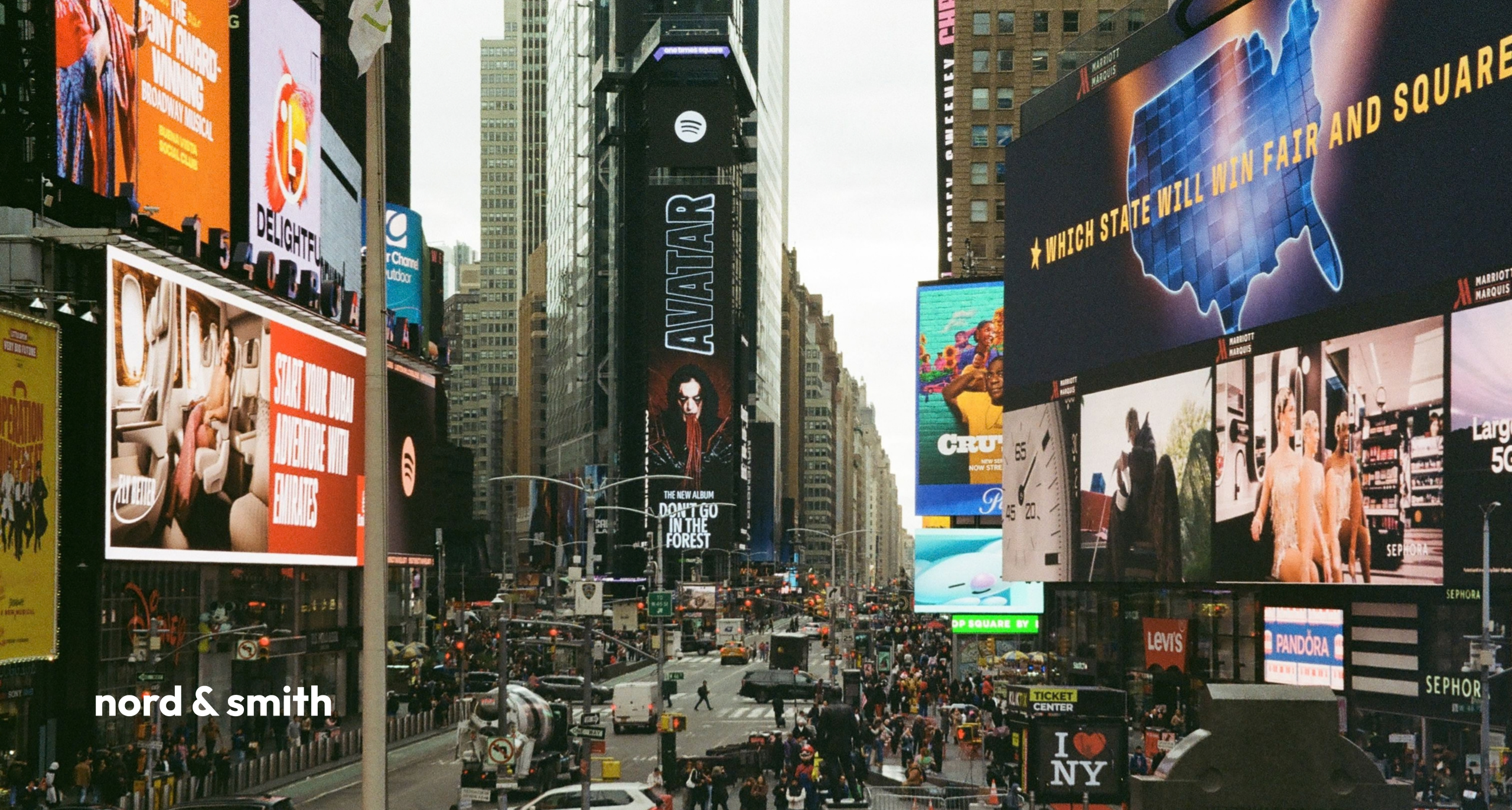
Programmatic DOOH (digital out-of-home) is the automated buying and delivery of ads on digital screens through software platforms, using real-time signals such as time, location, weather, and audience data.
Instead of booking a fixed slot on a fixed screen for four weeks, a brand buys the moment that matters and pays for the audience it actually wants to reach.
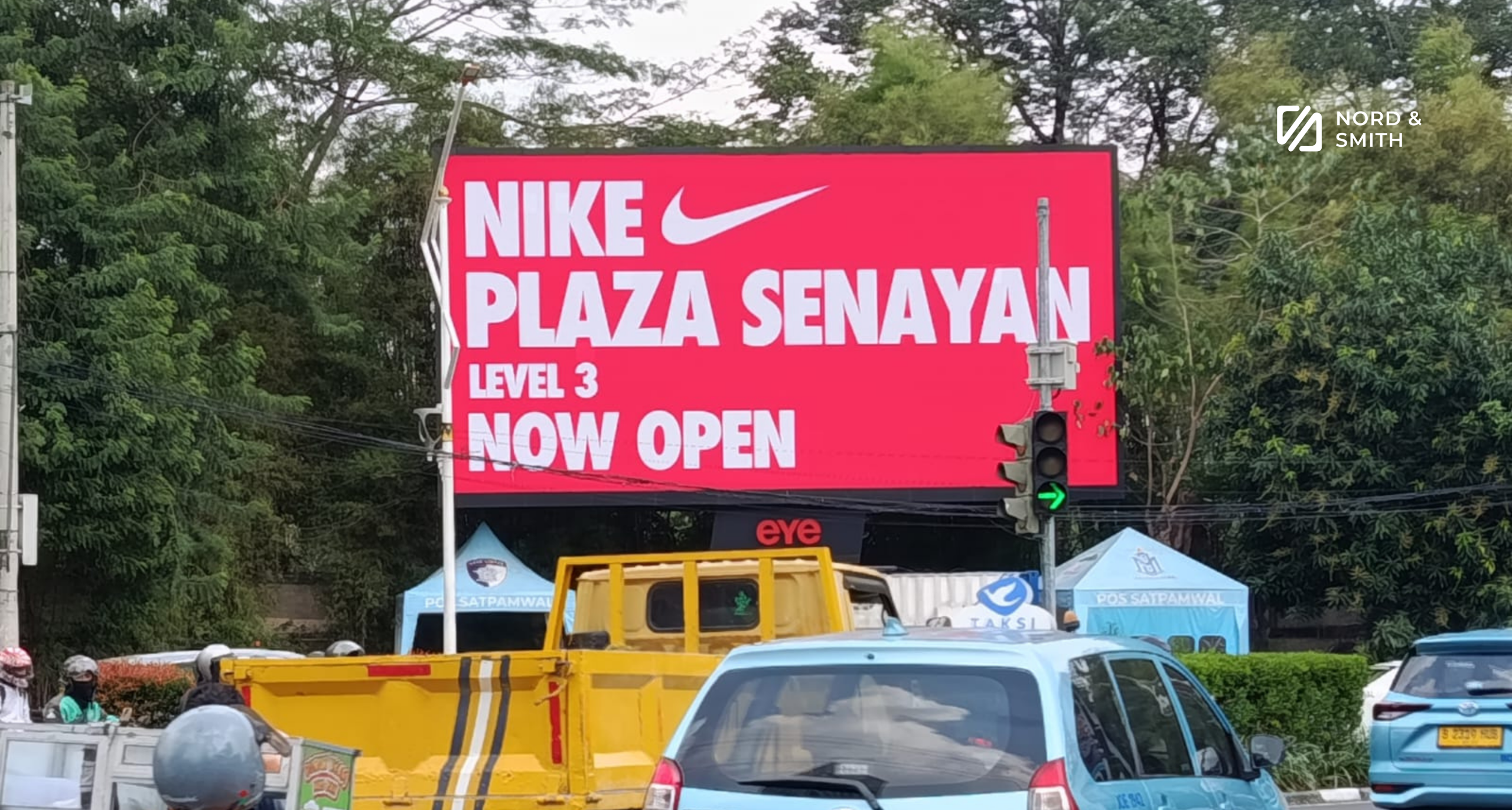
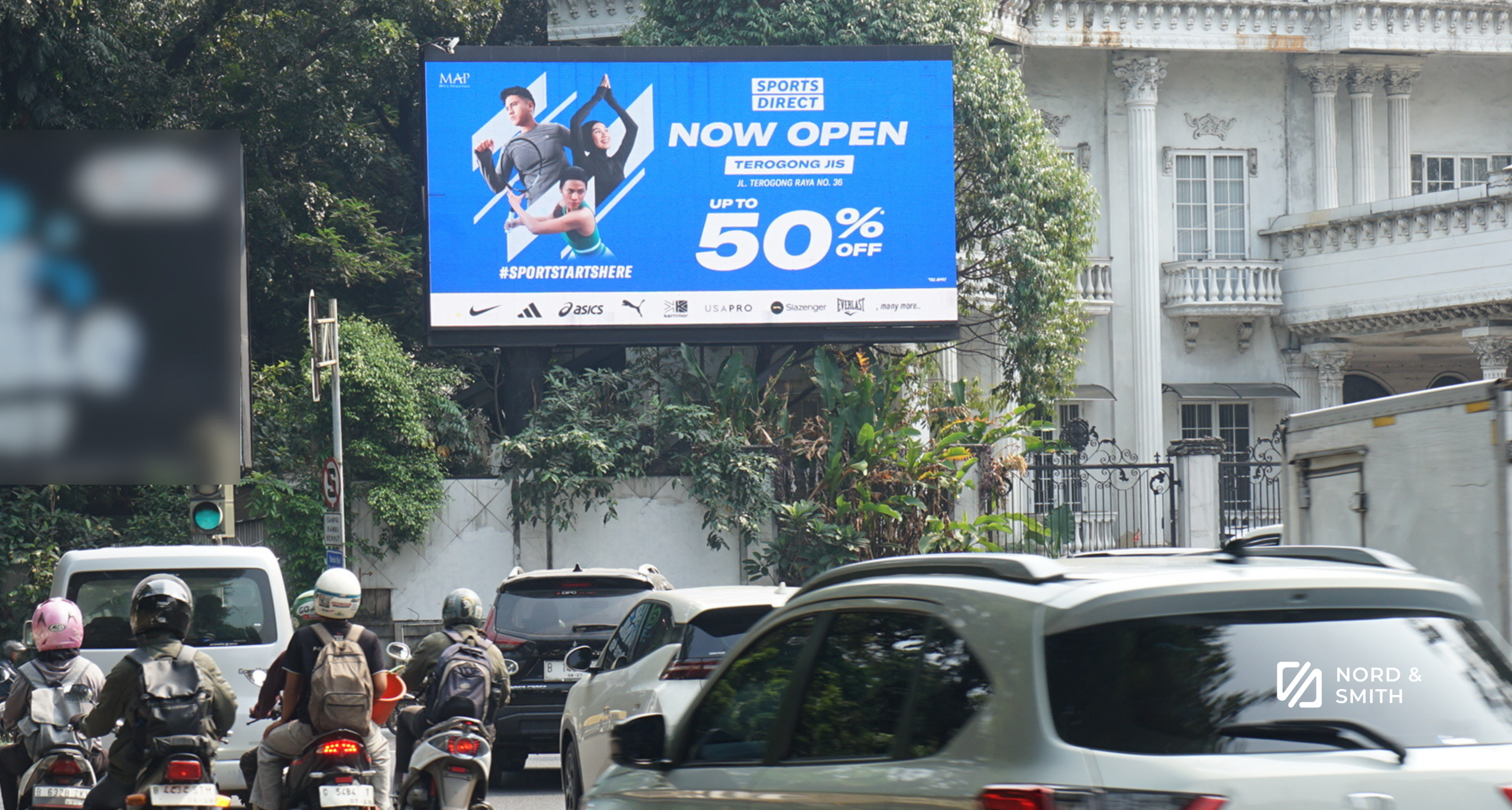
For Indonesian marketers, this shift arrives at a useful time. Out-of-home remains a trusted format in a country where daily life runs through commutes, malls, and transit hubs. What has changed is that these screens can finally be planned with the same logic as digital media.
The practical advantage is relevance. A beverage brand can trigger creativity when temperatures in Jakarta pass a set threshold. A banking campaign can weight spend toward screens near office districts during weekday mornings and shift to retail corridors on weekends. Creative can rotate by daypart without producing a new media plan each time. That flexibility is difficult to replicate in classic fixed-site buying.
Still, the Indonesian market has its own friction. Programmatic-ready inventory is growing but remains uneven outside Jakarta, Surabaya, and a handful of other cities. Impression measurement is not yet standardized across networks, so two vendors can report very different audience numbers for similar locations. Brands should ask how impressions are calculated, whether mobile location data is used for validation, and how often that data is refreshed. The answers vary widely, and they shape both cost and credibility.
Data governance deserves equal attention. With Indonesia’s Personal Data Protection Law now in effect, any audience layer built on location or device signals needs clear consent handling and anonymization. Brands that treat this as a legal afterthought risk more than a fine. They risk the trust the medium depends on.
A sensible starting point is a contained pilot. Choose one or two dense corridors, define a single objective such as store visits or branded search lift, and run dynamic creative against a fixed-format control. Measure with footfall or brand lift studies rather than impressions alone, and compare cost per outcome against your current OOH baseline.
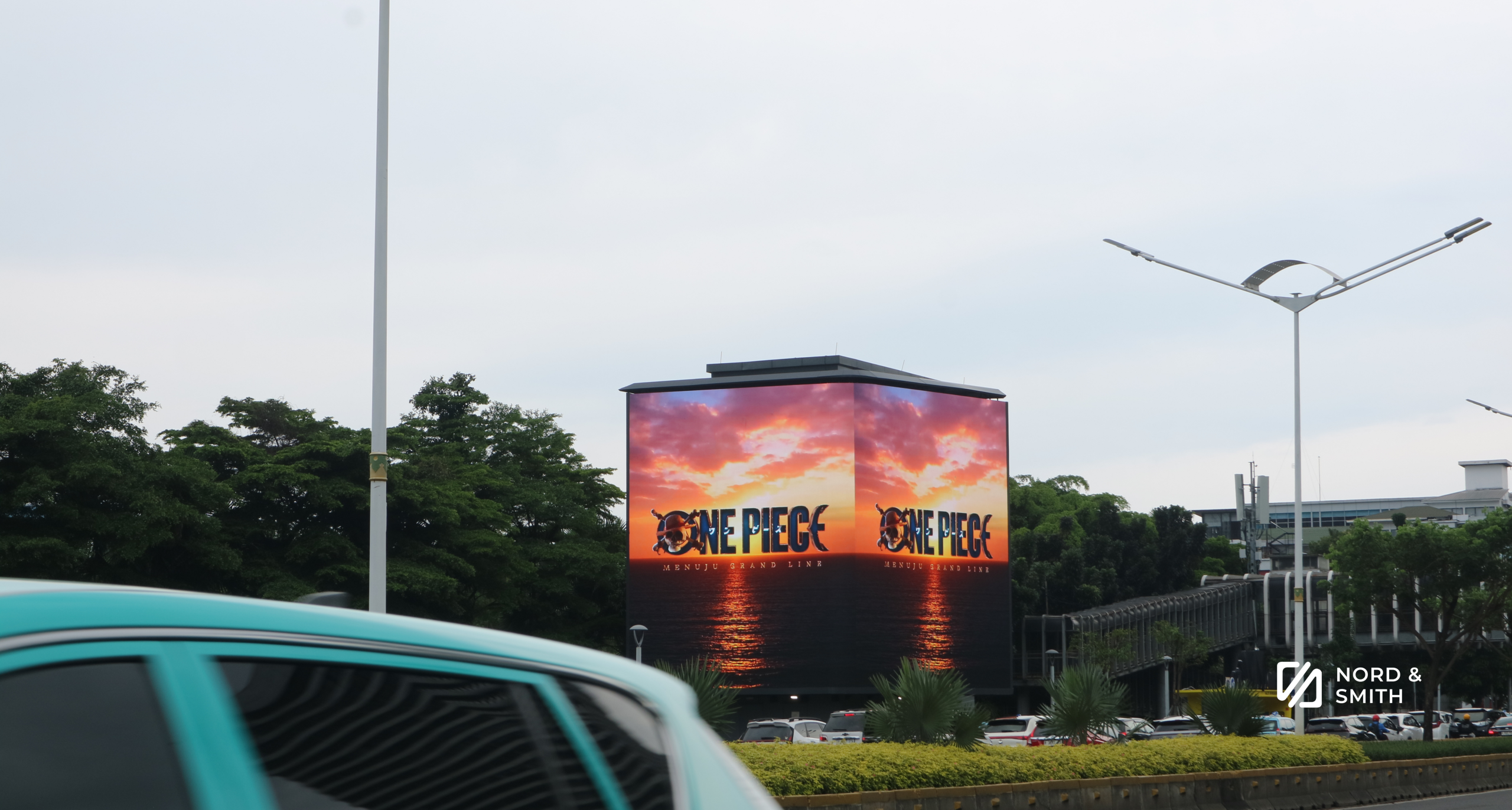
Programmatic will not replace the impact of a landmark billboard, and it does not need to. Its value is in making the rest of the OOH plan measurable, adaptive, and accountable. Indonesian brands that learn to combine both will spend more precisely and understand what their audiences are actually doing.
Get your OOH campaign planned and executed with the right strategy with Nord & Smith, the most accurate data-driven OOH agency you can definitely trust.