

Beyond Impressions: What OOH Metrics Actually Matter
Impressions are the wrong metric to lean on when judging OOH performance, at least on their own.
The term was borrowed from digital media, where it originally meant something precise: one ad, one screen, one view. In outdoor advertising, it usually means something much looser, an estimate of traffic volume passing a site, with no way to confirm who actually saw the ad or how well it registered. Treating that number as the full picture leads marketers to overvalue high-traffic locations that may deliver poor visibility, and undervalue quieter sites that perform exceptionally well.
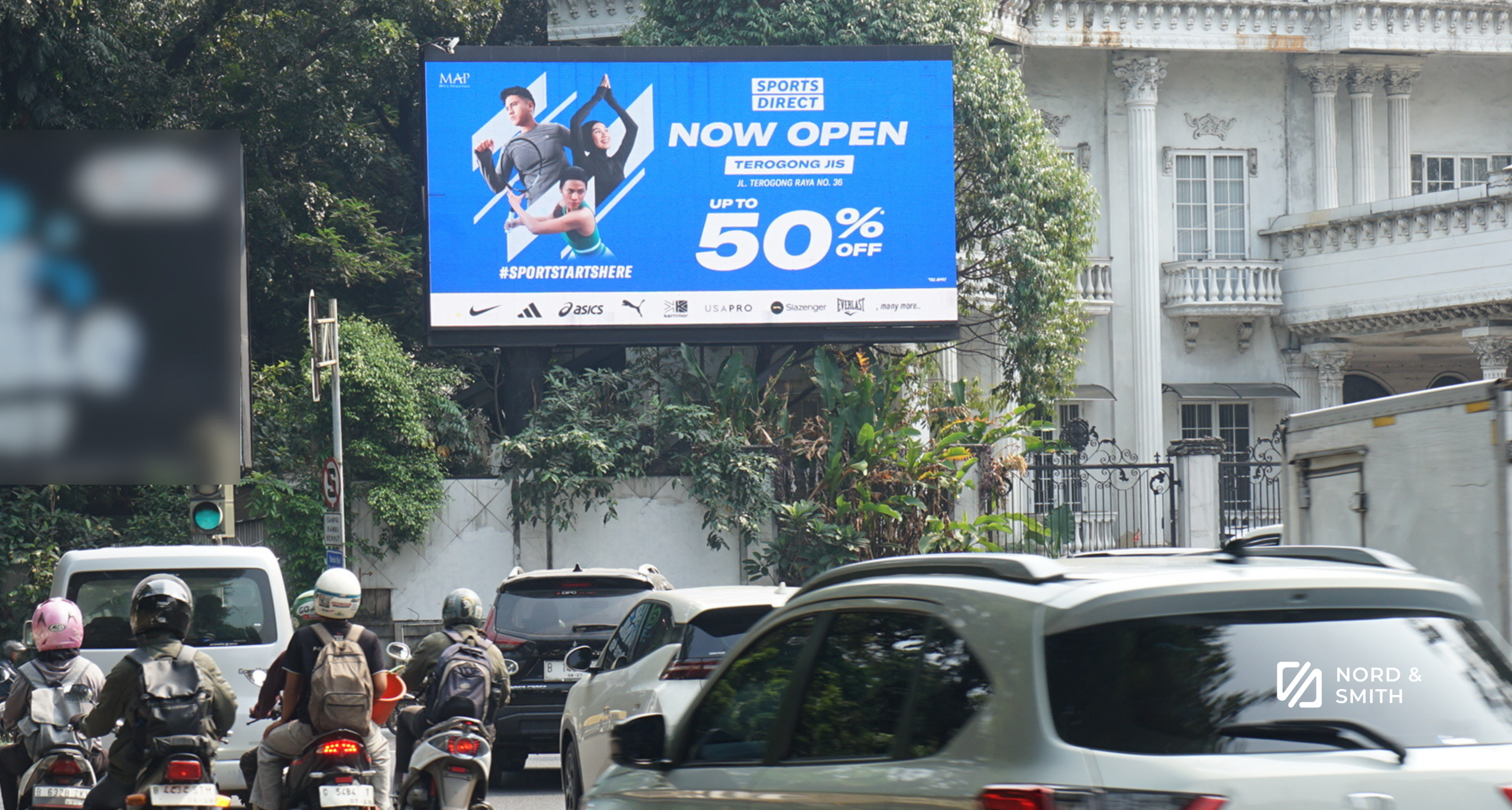
Media quality is where the more useful signals live. Distance from the road, sightline obstructions, angle relative to traffic flow, and dwell time all shape whether a placement is genuinely seen rather than technically passed. Two billboards on the same stretch of road with identical traffic counts can produce very different levels of actual attention, depending on these physical factors. Ignoring them means budgets get allocated by location prestige rather than performance.
Audience composition matters just as much as volume. A high-traffic site dominated by through-traffic commuters delivers a different kind of reach than one situated near a relevant retail cluster or transit hub. Marketers assessing OOH performance should ask not just how many people passed, but who they were and whether that audience matches the campaign’s target.
Frequency and duration of exposure round out the picture. A single glance at a billboard behaves differently from repeated exposure across a daily commute. Campaigns that account for how often the same audience encounters a placement, and for how long that exposure runs, can better estimate actual recall and brand impact rather than relying on a one-time reach figure.
This is the logic behind multi-dimensional scoring frameworks like Nord Scoring, a dashboard built by Nord and Smith, which evaluates placements across several of these factors together rather than isolating traffic count as a standalone metric. The output is a more honest read of what a site can realistically deliver, and a stronger basis for comparing options that look similar on paper but perform very differently in practice.
For brands and planners, the shift is less about abandoning impressions and more about refusing to let them stand alone. Visibility, media quality, audience fit, and exposure frequency together form a fuller performance picture, one that allows OOH investment to be judged with the same rigor applied to any other channel in the marketing mix.
Get your OOH campaign planned and executed with the right strategy with Nord & Smith, the most accurate data-driven OOH agency you can definitely trust.