One Location, Every Platform: How to Make Your OOH Work Far Beyond Its Placement
Most outdoor campaigns are built to be seen.
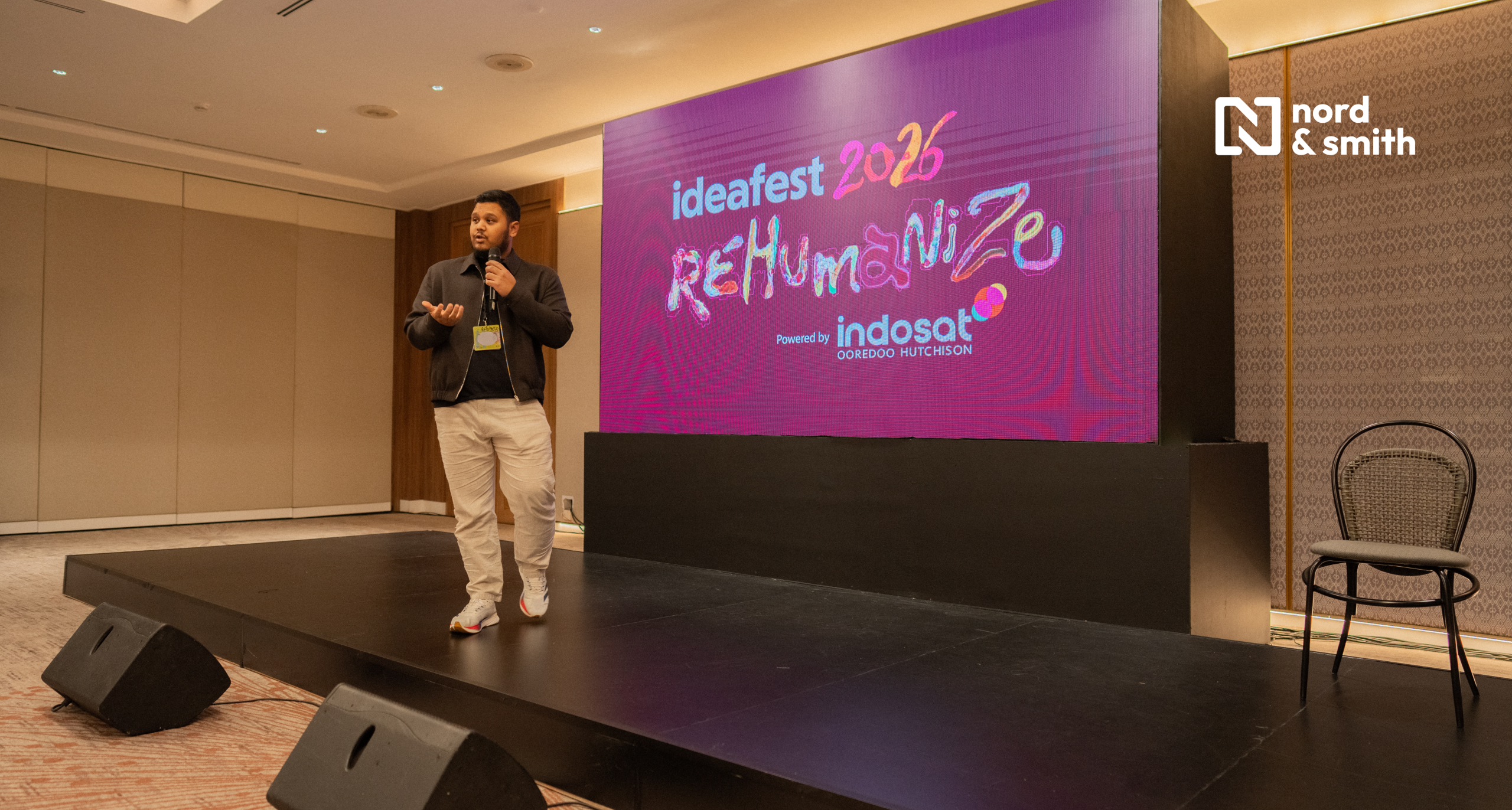
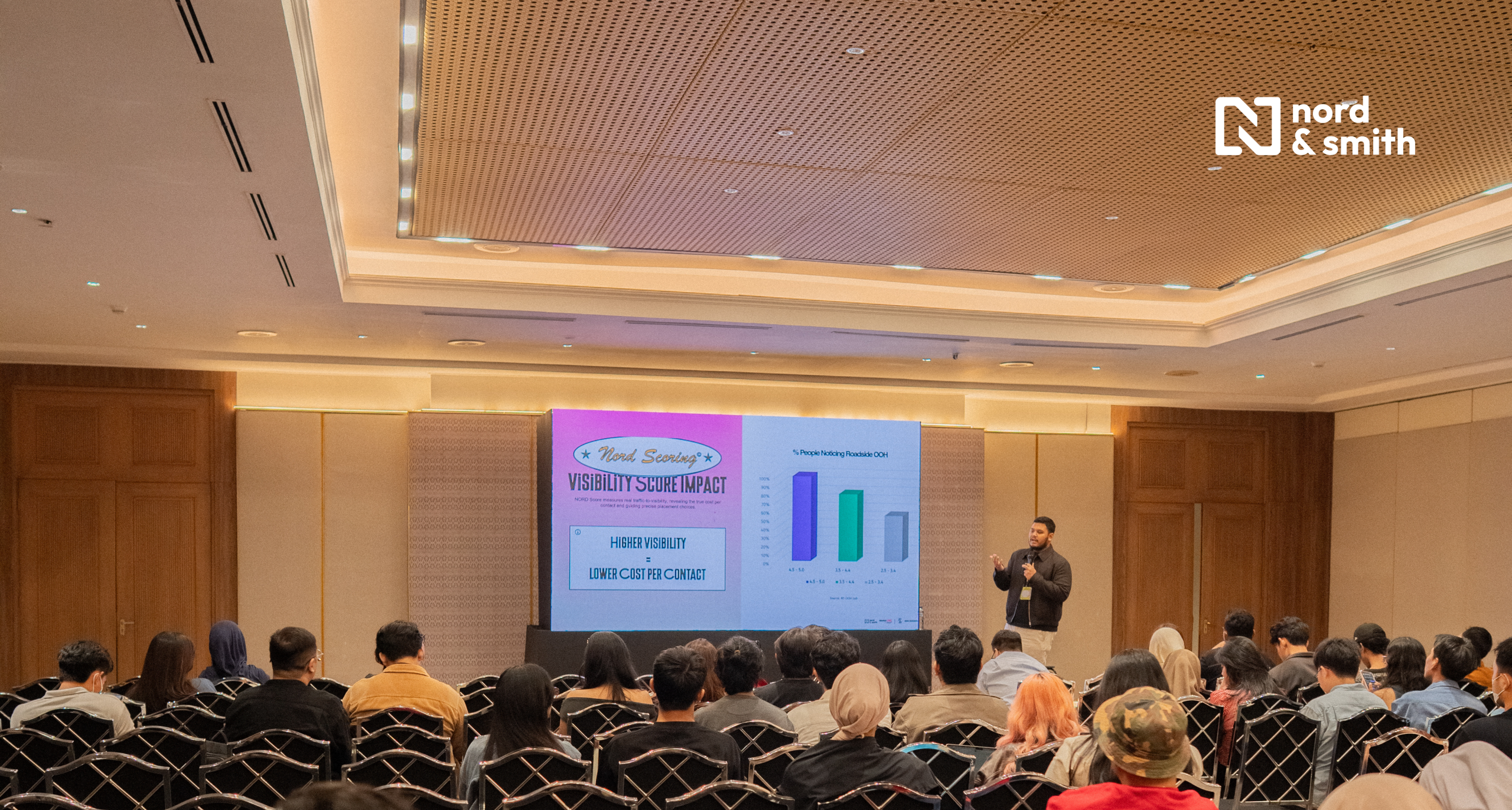
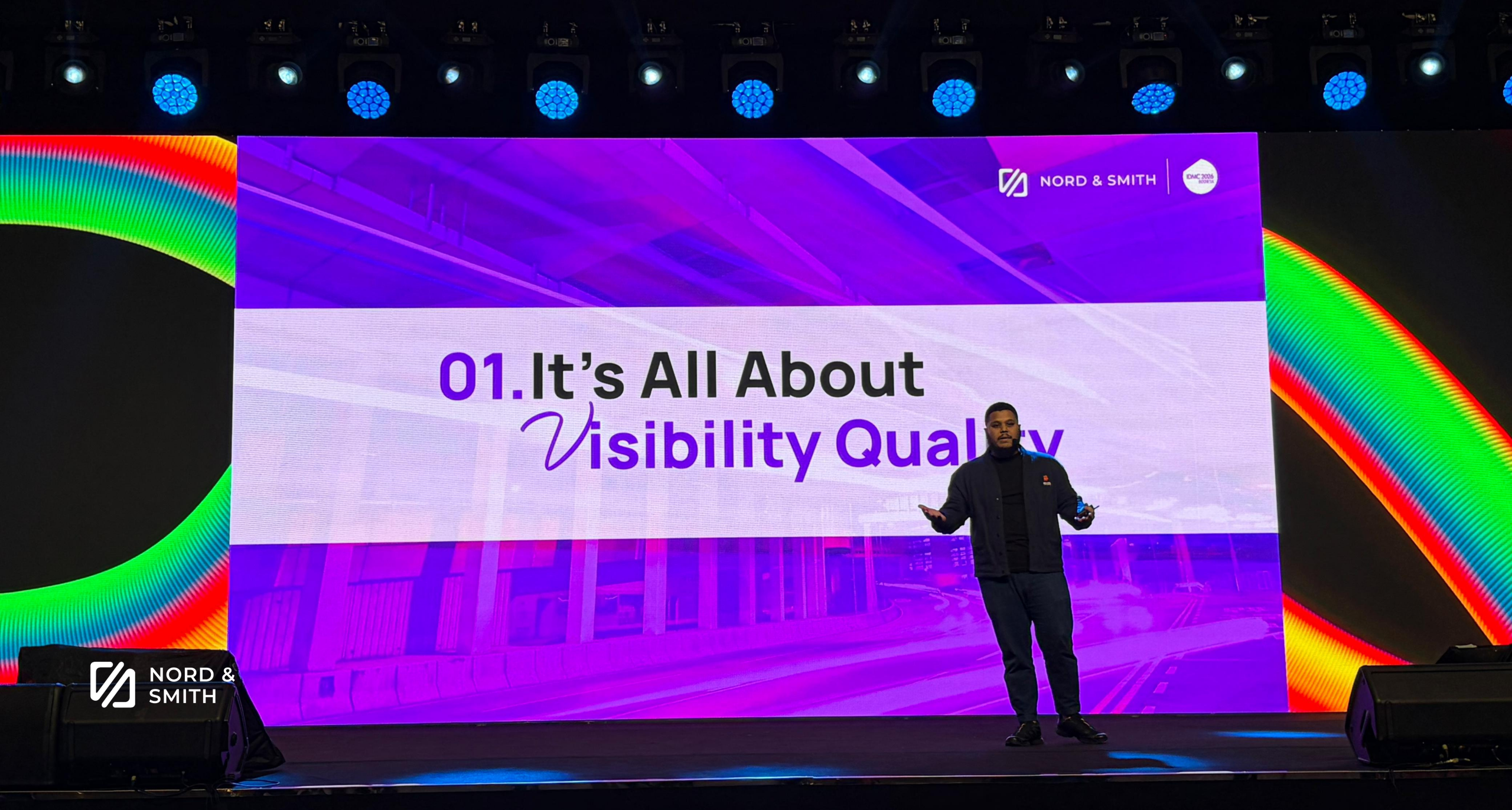
Very few are built to be shared. At IDMC 2026, Nord & Smith brought this topic to the stage with a session titled “Designing OOH for Digital Virality: The Brutal Reality of Future Media Platforms,” laying out three ideas that every brand investing in OOH needs to reckon with.
1. Not All Visibility Is Equal
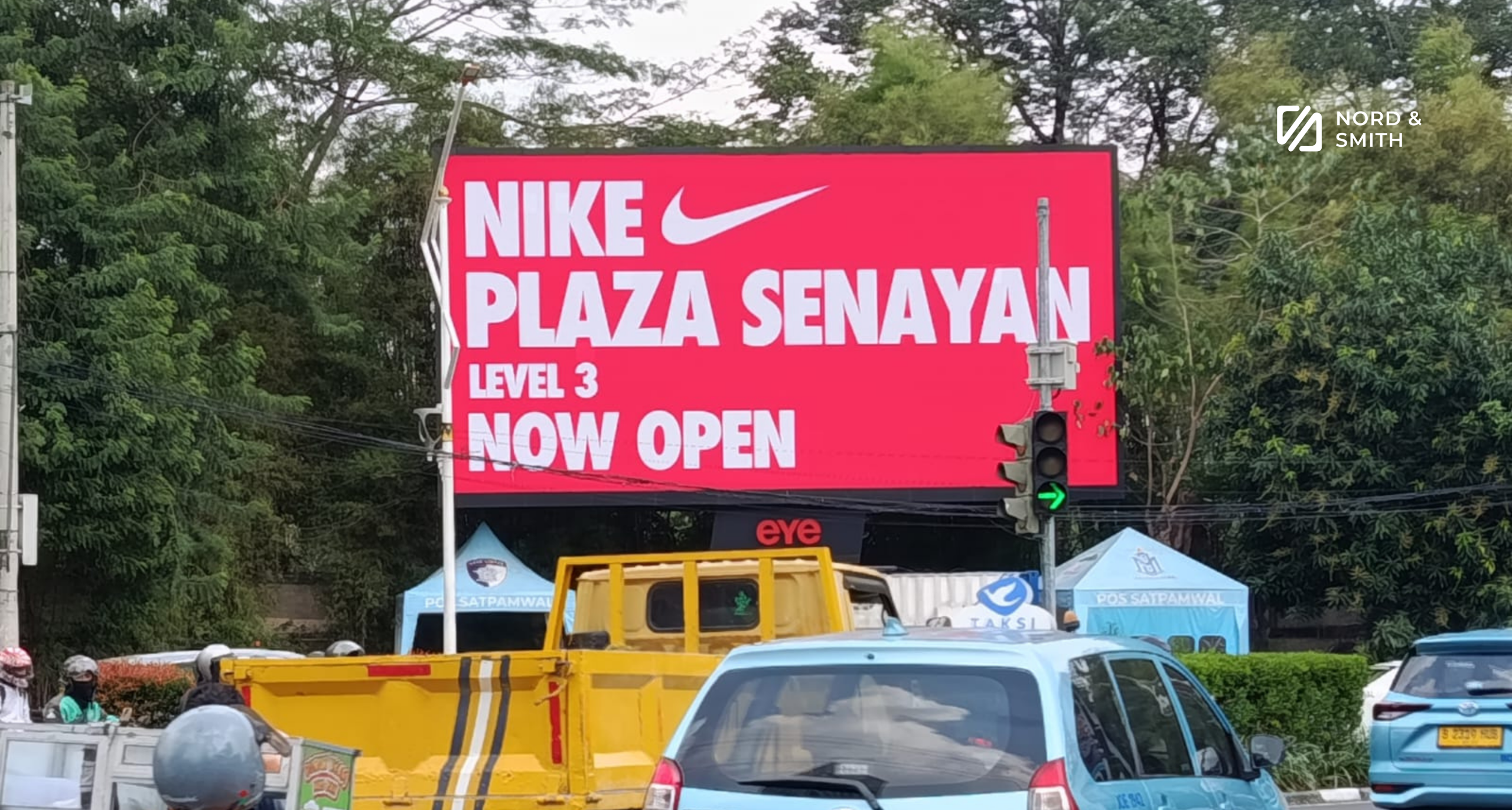
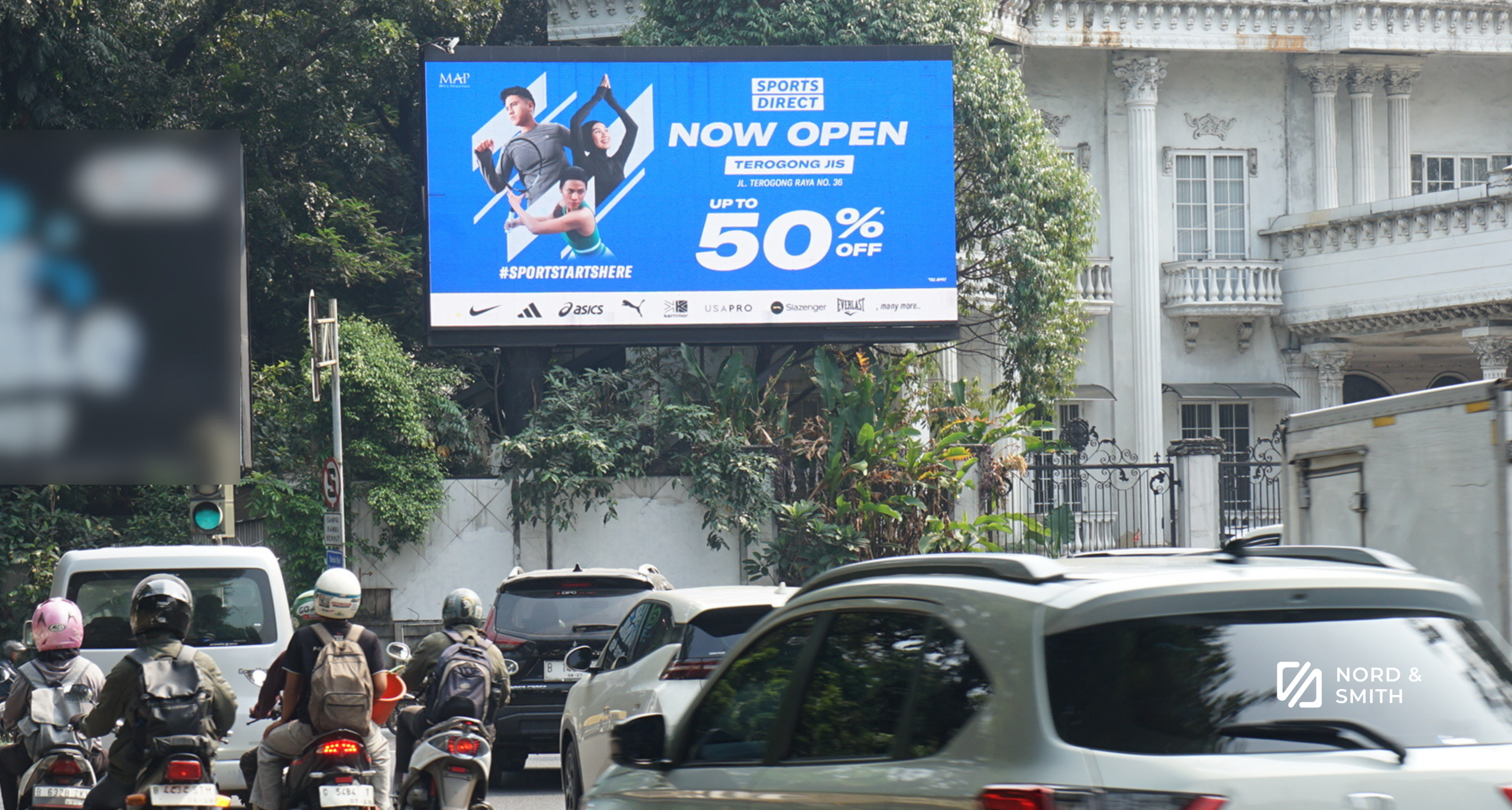
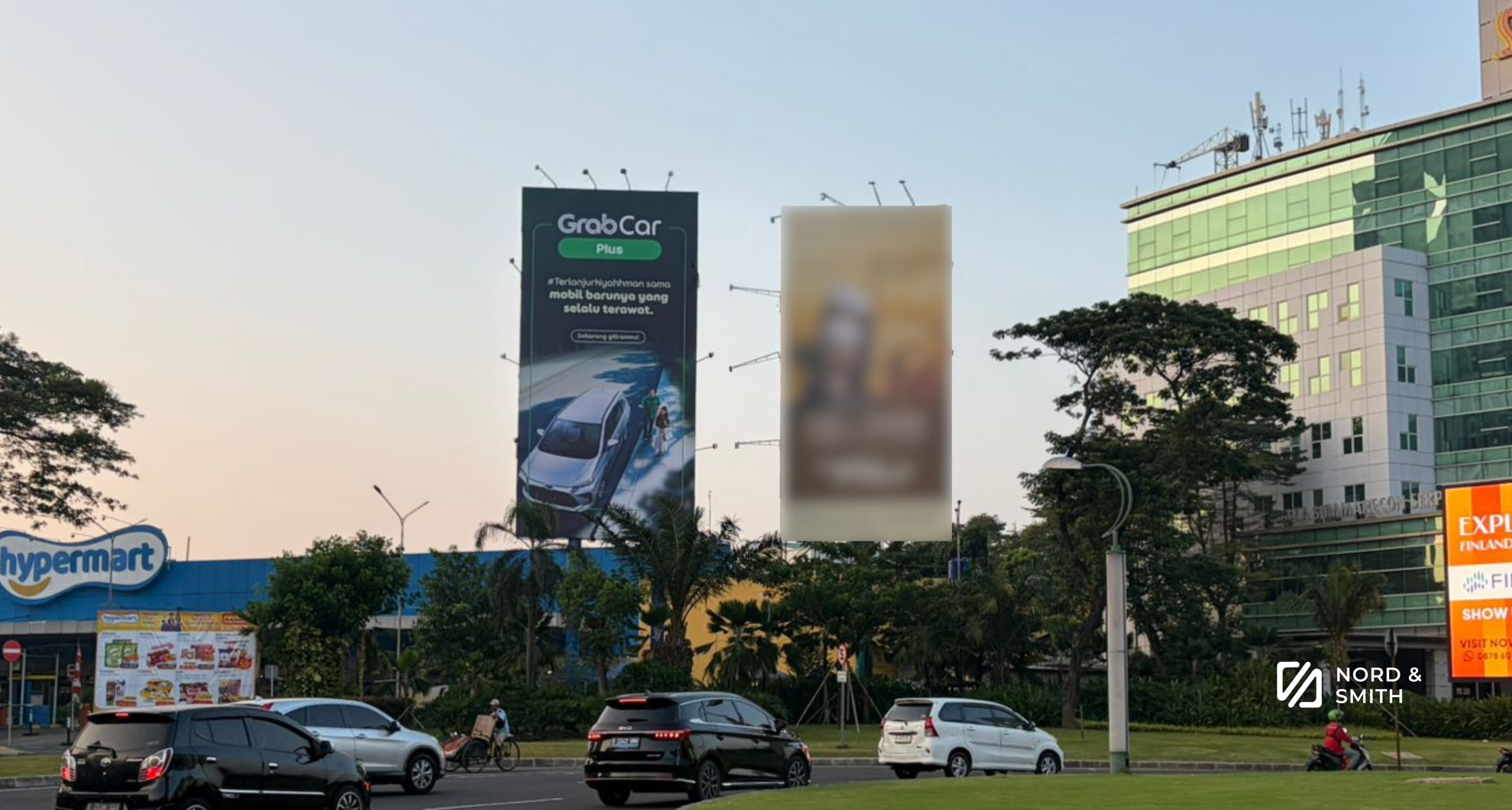
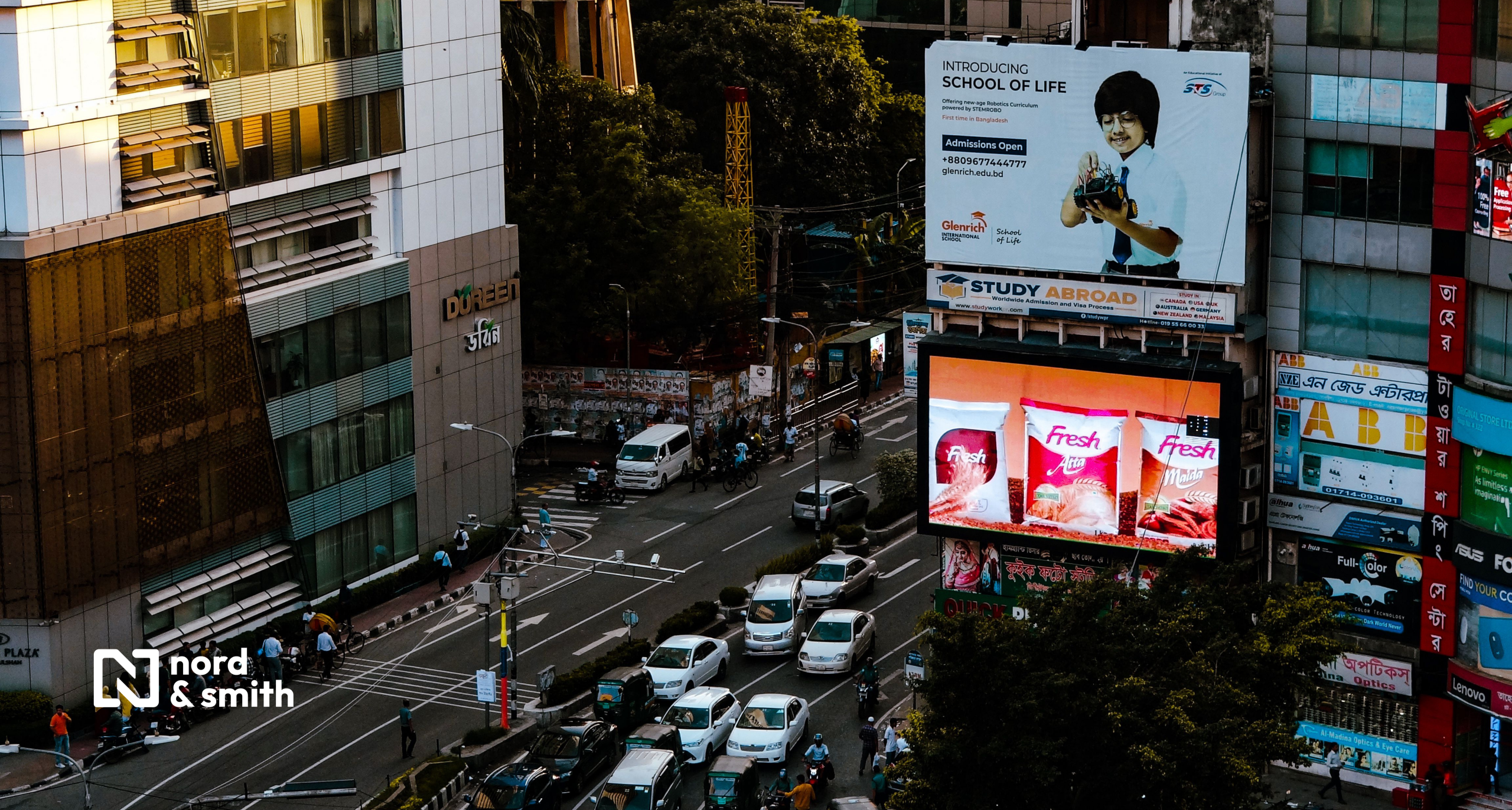
The uncomfortable starting point: a site in the city’s busiest corridor can still deliver zero impact if visibility quality is poor. Sightlines blocked, angles too narrow, panels lost in surrounding clutter. Location is not enough. You have to evaluate what audiences actually see.
This is why Nord & Smith developed the Nord Scoring system, a standardized OOH evaluation framework that goes beyond traffic count to score each site on actual visibility quality. Brands can compare sites, identify the most effective placements for their campaign, and make decisions backed by data rather than gut feel.
And once a site is chosen, the goal shifts: today’s audiences do not just consume OOH. They participate in it through photos, videos, and social sharing. A campaign that earns a place in someone’s camera roll has already multiplied its media value. One that does not has only delivered what it paid for.
2. Simplicity Is a Strategic Decision
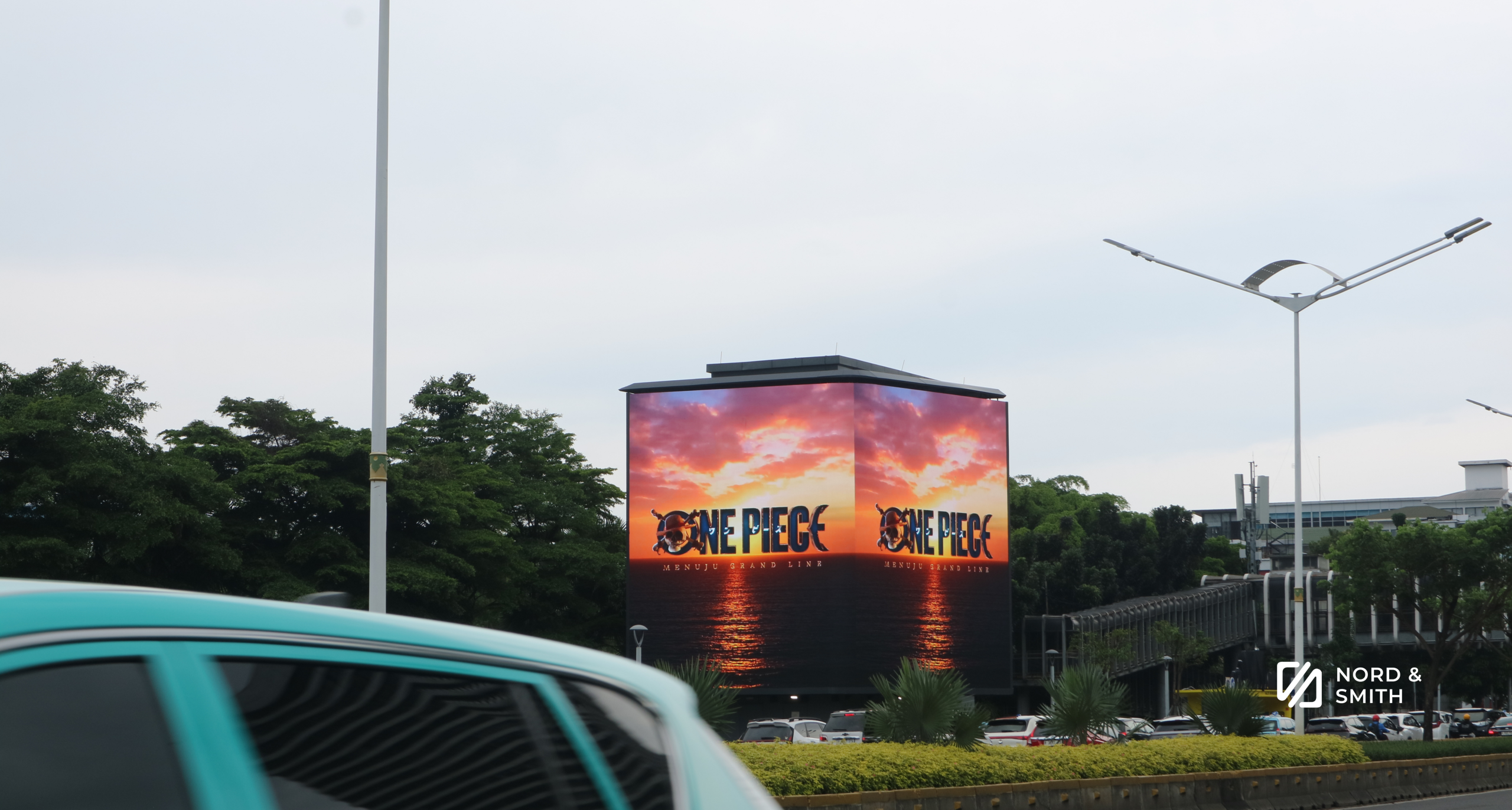
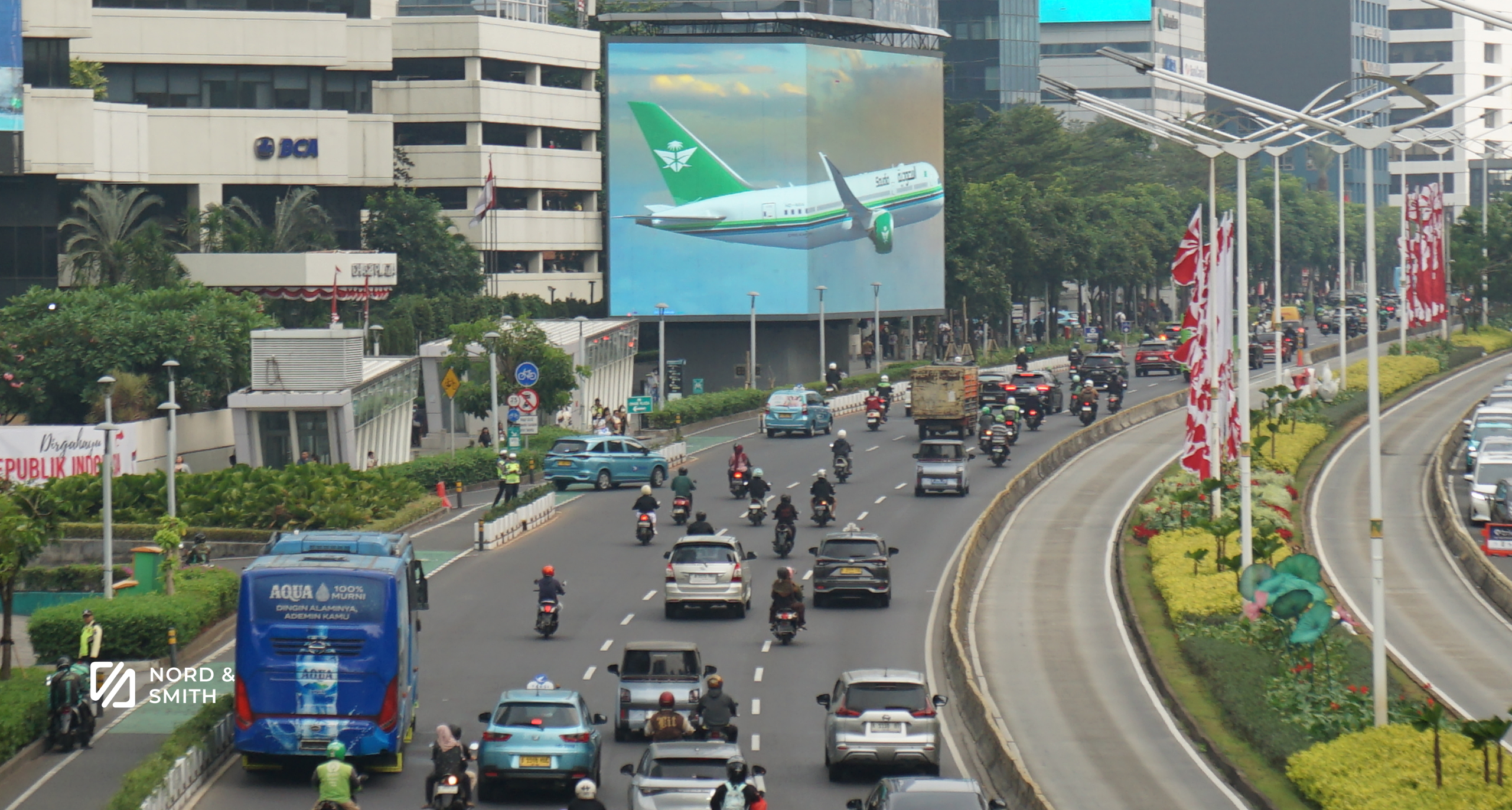
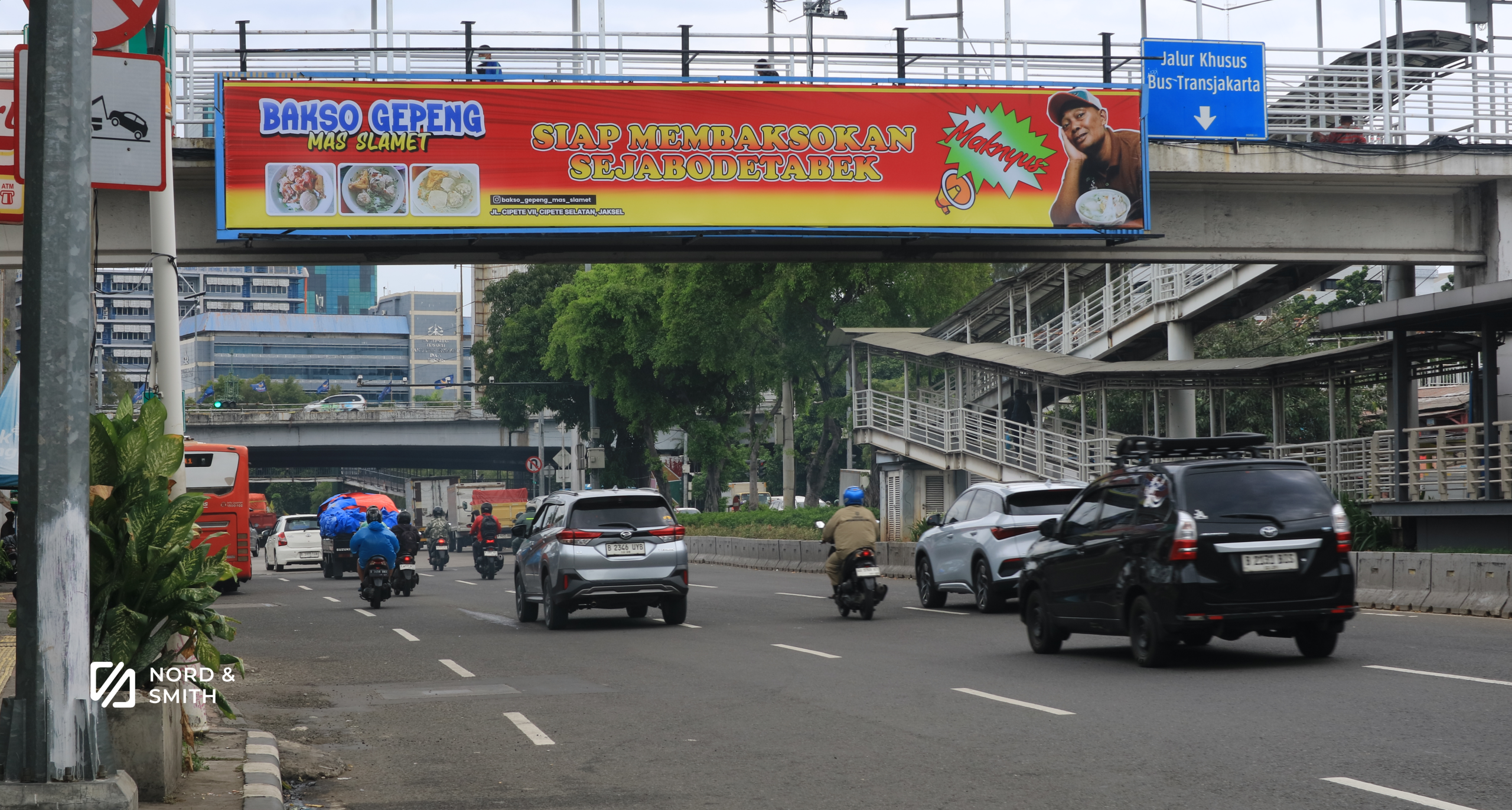
OOH is not a medium for detail. It is a medium for dominance. Campaigns that work own the visual space they occupy rather than compete with it. That means a clear message, a restrained design, and an execution that commands attention before the audience has consciously decided to give it.
Practically, this means avoiding clutter in the creative and being deliberate about placement. A site with no competing signage nearby gives a campaign room to breathe and dominate. If the option exists to be the only voice in that visual environment, take it.
3. Your OOH Is a Content Engine
The brands getting the most from OOH are not just thinking about the billboard. They are thinking about the phone that photographs it, the TikTok it inspires, and the story it becomes after someone walks past. OOH designed with this in mind becomes a content engine. The physical placement is the seed. Social behavior is the harvest.
Nord & Smith illustrated this with the Bakso Slamet campaign, a case that shows exactly what happens when OOH is designed to travel beyond the street. The results: 71 million impressions, Rp 400 billion in earned media value, and 372 percent sales growth. The campaign won Bronze for Best B2B Advertising Campaign at the Campaign Indonesia Awards 2026 and reached the finalist stage at Citra Pariwara 2025.
What made it work was not the scale of the media buy. It was the clarity of intent. The campaign was designed from the start to be something people would want to capture and share. The OOH was the spark. The audience did the rest.

The gap between OOH that gets seen and OOH that spreads is not a budget problem. It is a design problem, and it starts before the creative brief is written. It starts with choosing sites that deliver on their visibility promise, designing creative that earns attention rather than competing for it, and treating the street not as the final destination for a campaign, but as its starting point.
The brands getting this right are already designing for the phone in the audience’s pocket, not just the eyes passing by.
Get your OOH campaign planned and executed with the right strategy with Nord & Smith, the data-driven OOH agency you can definitely trust.