Why Impressions Alone Cannot Fix the Media Impact Crisis in Out-of-Home
Brands spend more on media than ever, yet create less impact than ever. This is the media impact crisis, and out-of-home (OOH) advertising is not exempt from it.
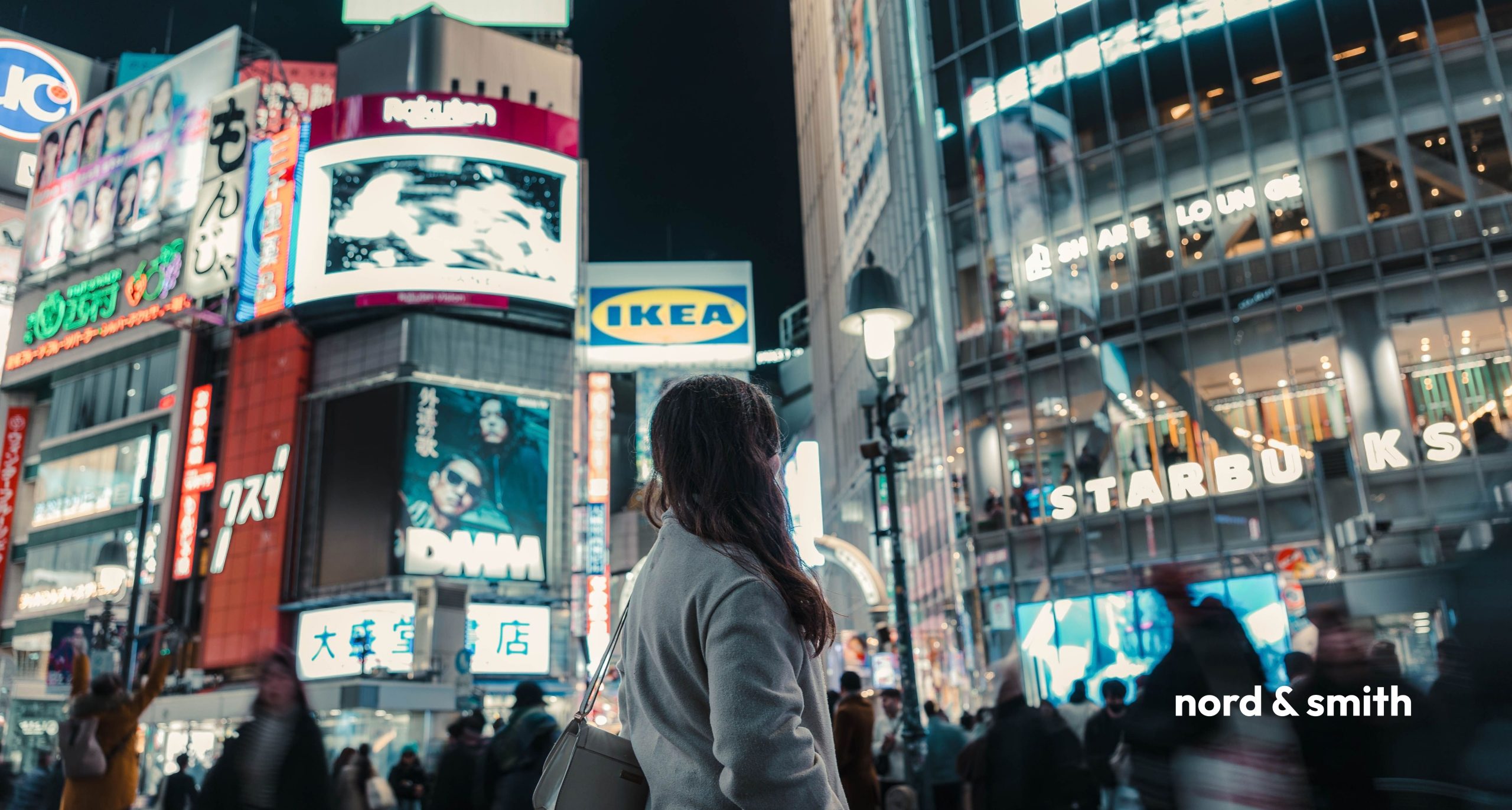
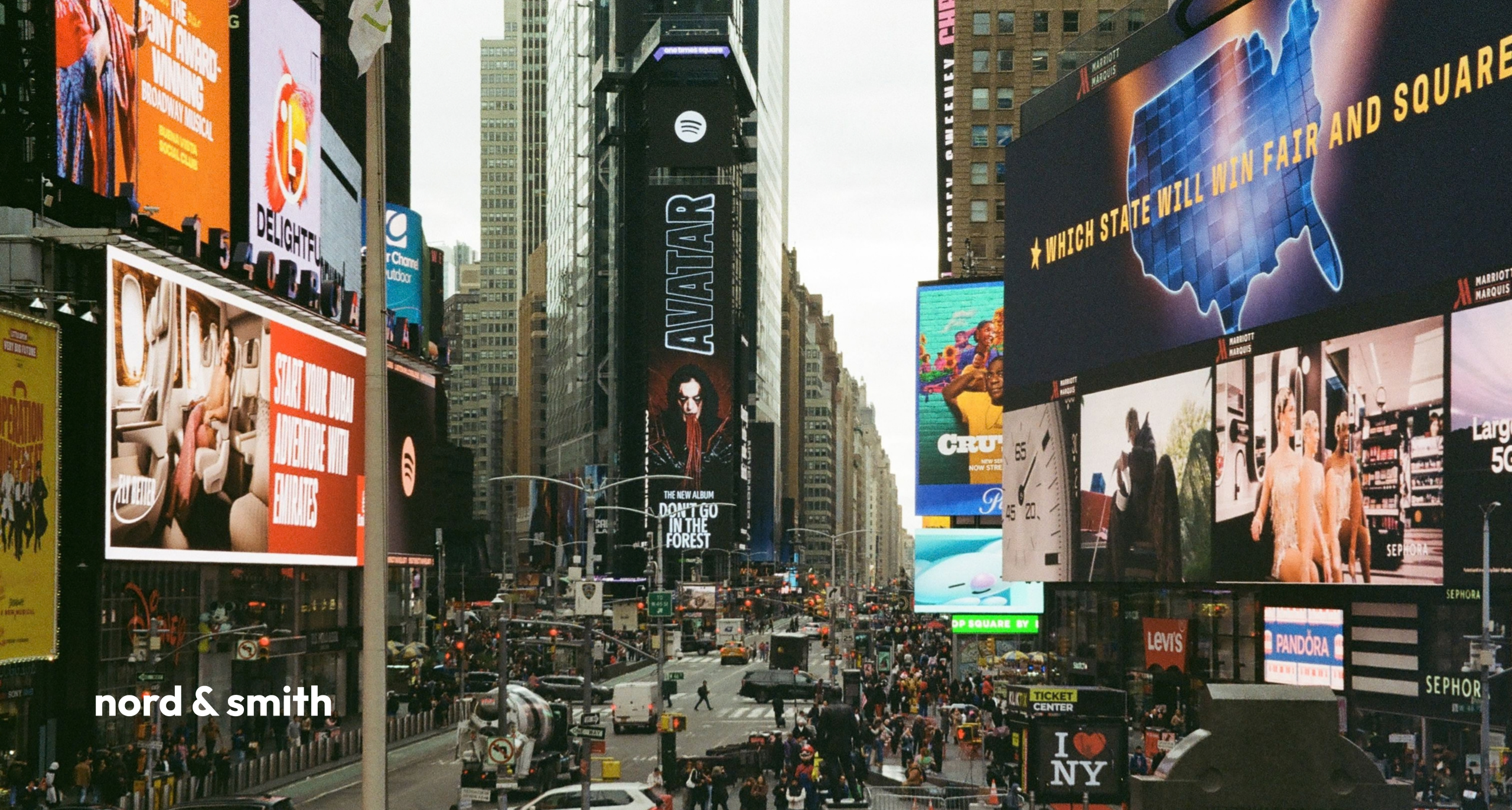
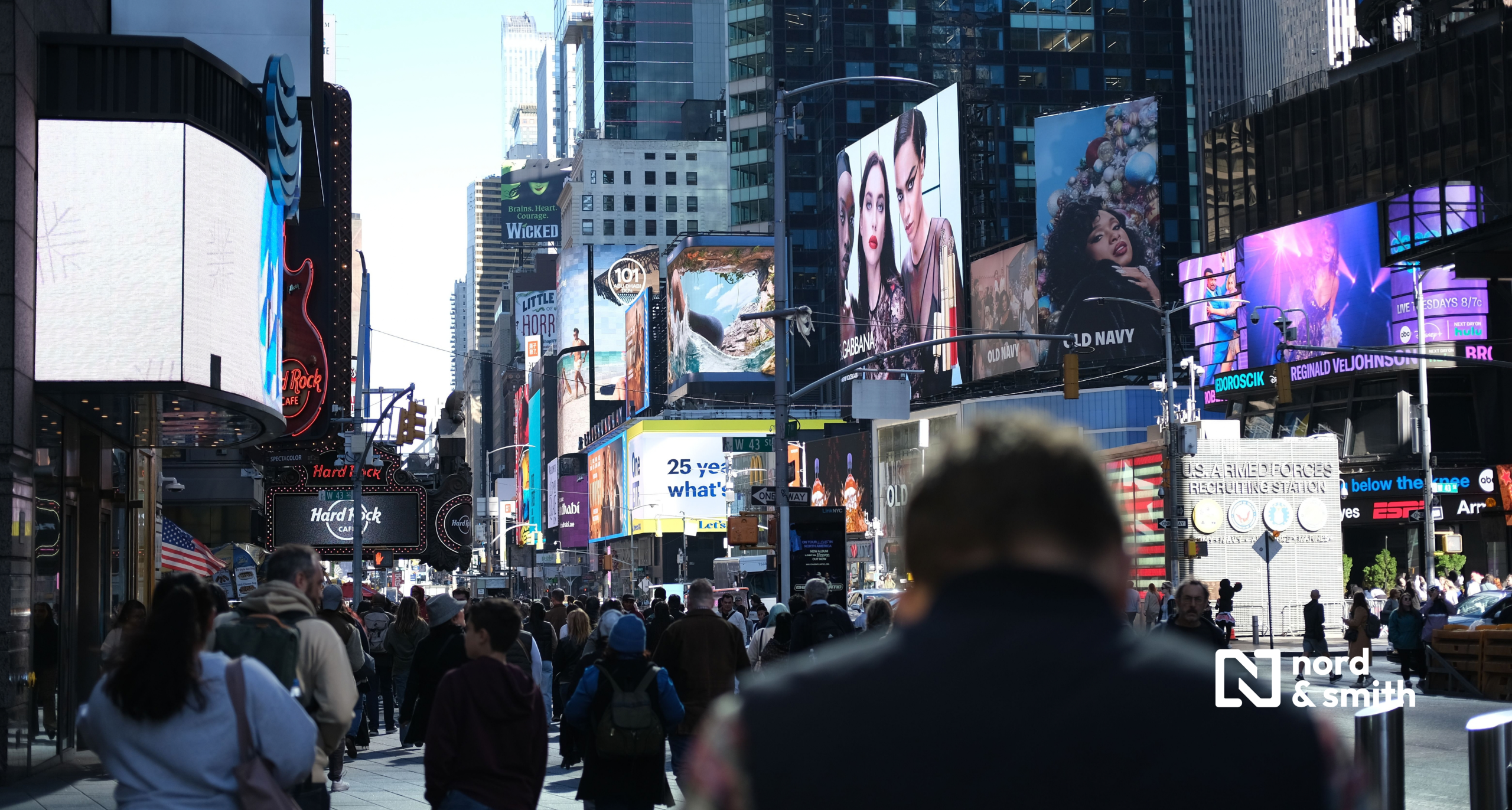
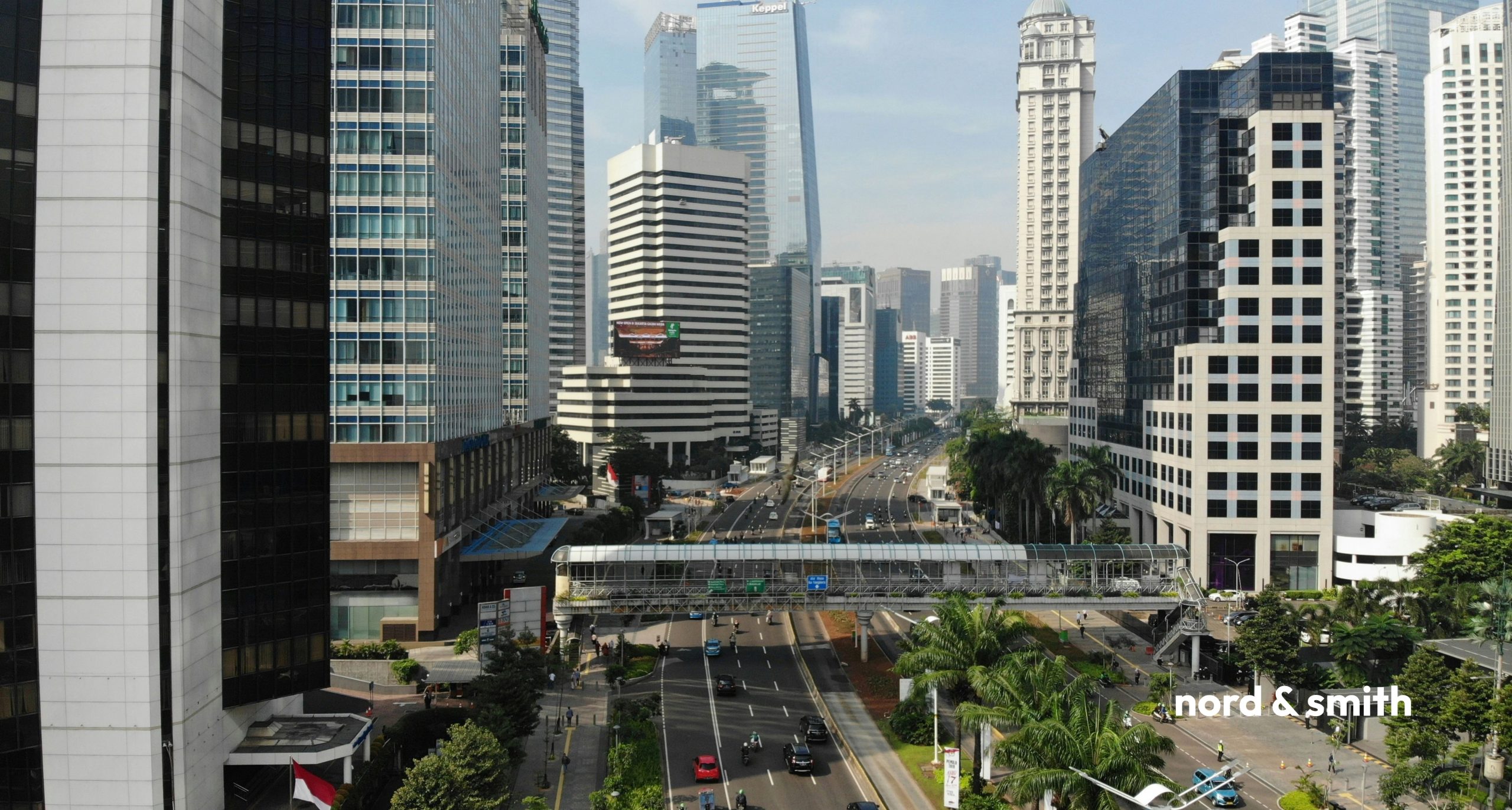
In OOH, the problem often begins with measurement. Impressions estimate how many people could have passed a billboard. They say little about how many actually saw it.
A visibility score closes that gap. It rates how likely a billboard is to be truly seen, based on the physical conditions around the site. Nord Scoring, Nord & Smith’s visibility methodology, scores sites from 2.5 to 5.0 using factors such as average vehicle speed, whether the view is obstructed, the number of other OOH sites nearby, how much the site dominates them, and the viewing angle for road users. A score of 4.5 to 5.0 signals high visibility, 3.5 to 4.4 moderate, and 2.5 to 3.4 low. Two billboards can deliver the same impressions on paper and perform very differently on the street, which is exactly why the score exists.
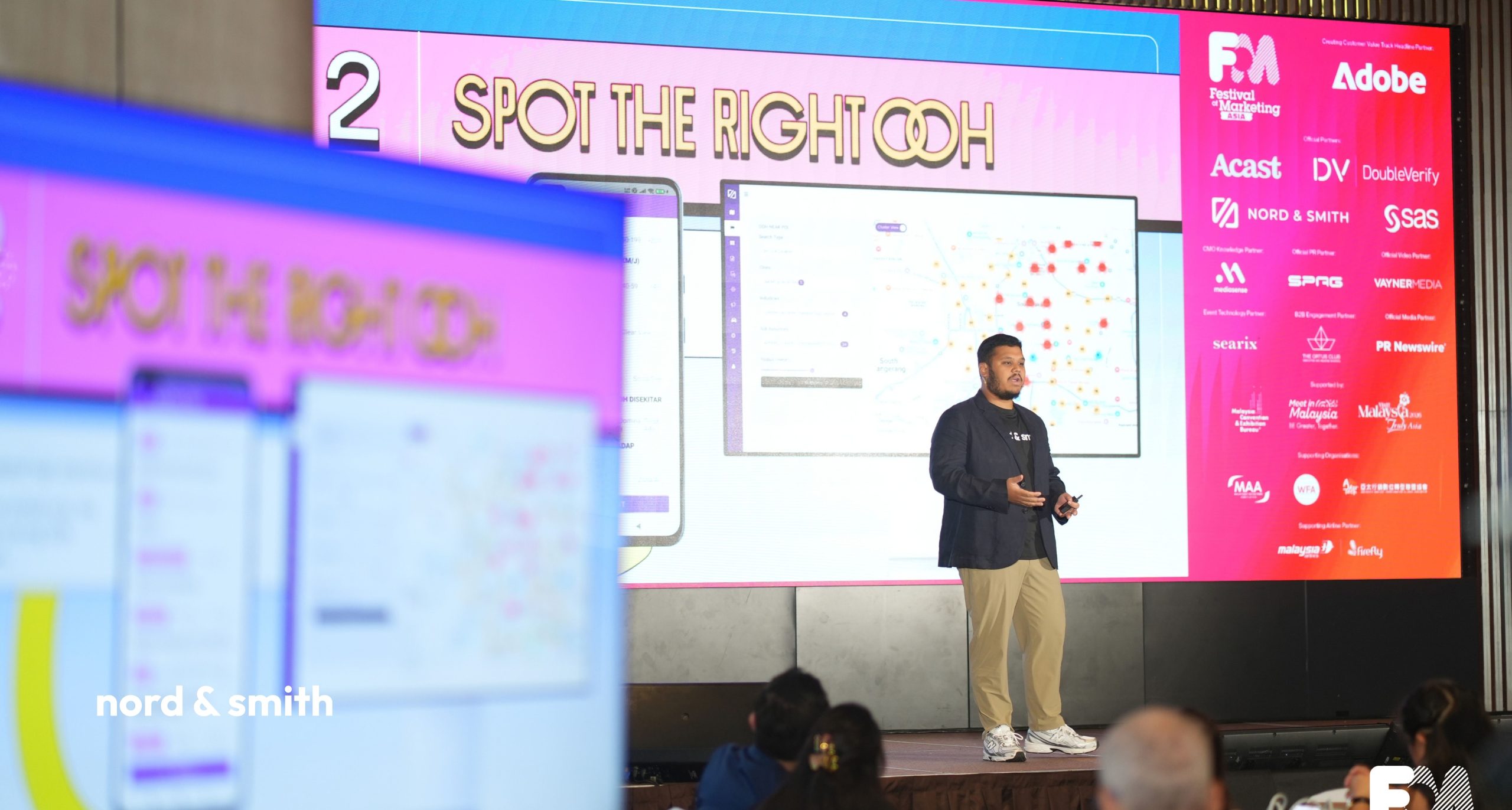
Better placement is only half the answer. Attention also has to be earned by the creative. Nord & Smith’s framework treats it as a sequence of Spark, Spot and Spread. Spark creates curiosity with a simple formula: familiar enough to understand, strange enough to discuss. Spot uses data to find high-attention zones and keep only the highest-scoring sites. Spread lets the conversation travel beyond the street and onto social platforms.

The Pak Slamet campaign shows how these pieces work together. Pak Slamet is a bakso seller in South Jakarta with more than 20 years of great food and almost no visibility. Instead of a celebrity or brand ambassador, the campaign put Pak Slamet himself on carefully selected billboards. Up to six months after it ended, his business recorded 372% sales growth and 415% visitor growth, with social impressions up 37,800% and social reach up 48,600%. This is a single case, and results will vary by category and context, but the logic is transferable.
For marketers, the shift is in the question being asked. Instead of asking how many impressions were bought, ask how many were seen, and what people did next. OOH planned around visibility and conversation behaves less like a passive backdrop and more like an attention machine.
These ideas were presented by Kavindra Airlangga, CEO of Nord & Smith, at Festival of Marketing Asia 2026 in Kuala Lumpur on 3 September. The full argument is in the Nord & Smith white paper, “How to Rethink Out-of-Home for the Media Impact Crisis”.
Get your OOH campaign planned and executed with the right strategy with Nord & Smith, the most accurate data-driven OOH agency you can definitely trust.