How Local Brands Are Winning OOH Against Global Players
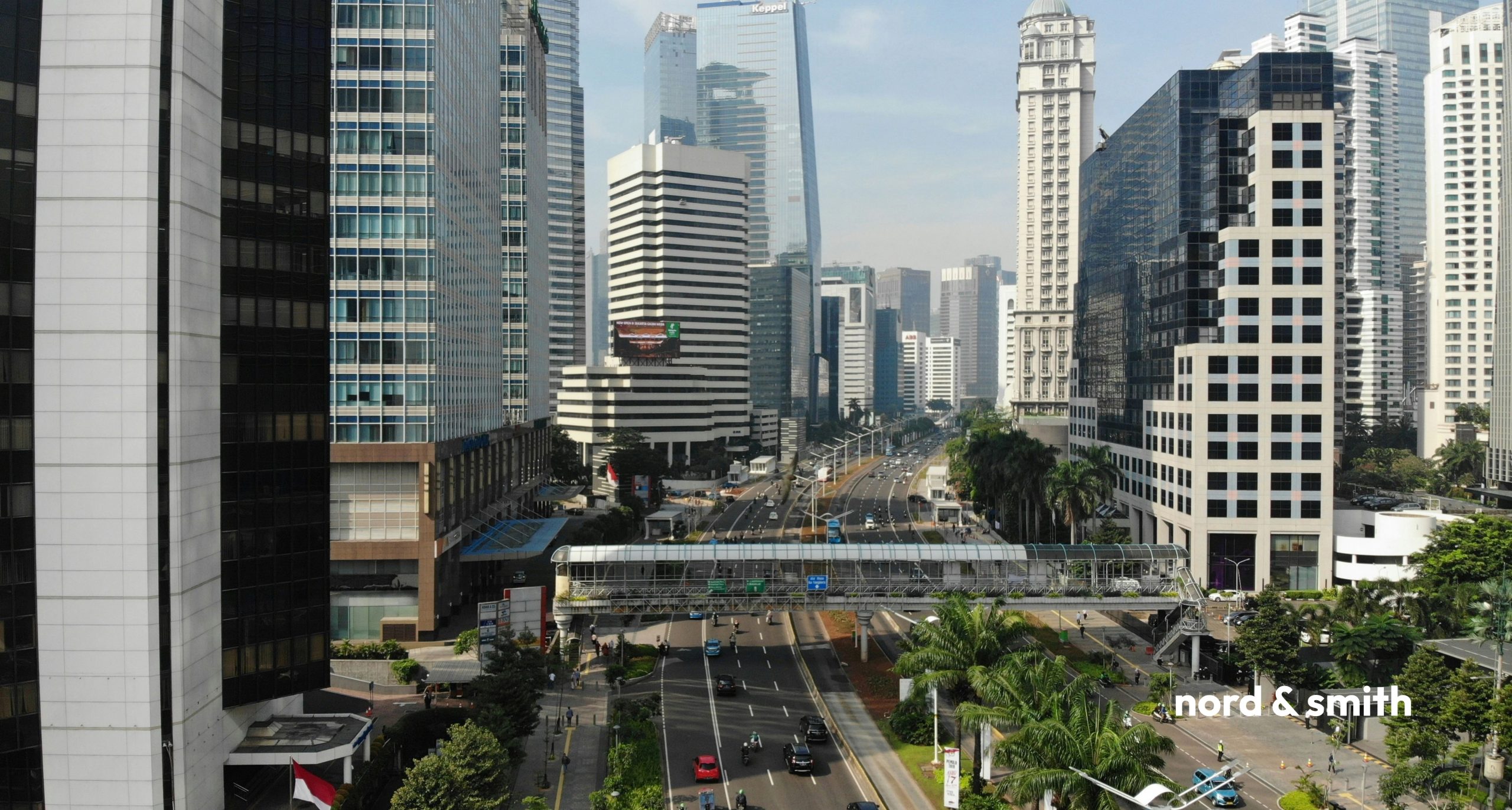
Global brands still lead on ad spend in Indonesia. Nielsen Ad Intel data for H1 2025 shows Unilever topping the list of the country’s biggest advertisers, with other multinational FMCG names close behind.
But spend has not translated into share. Unilever’s own market share in Indonesia slipped from 38.5% to 34.9% over the past year as shoppers moved to cheaper local rivals, according to Reuters. The preference runs deeper than price. McKinsey research has found 60% of Indonesian consumers favor local brands, a tilt especially pronounced in food and beverage. Out-of-home is where that gap plays out visibly, and it is where local players are closing it fastest.
Local brands understand context in a way centralized global campaigns often cannot replicate. A regional F&B chain knows which intersections see foot traffic before payday and which malls fill up on weekends, context that matters given a Nielsen Indonesia survey found 78% of respondents see billboards daily during their commute. That knowledge also shapes creative, not just placement. Industry observers have noted that OOH campaigns built around local references, batik motifs, regional culinary culture, religious and national holidays, tend to generate a stronger emotional response than generic, translated messaging, even without a global production budget behind them.
Speed is another edge. A multinational brand often needs sign off from a regional or global office before a billboard message changes. A local brand can approve new creative the same week a trend breaks, which matters in a market where conversation on social media moves fast and OOH increasingly works as an amplifier for what is already trending online.
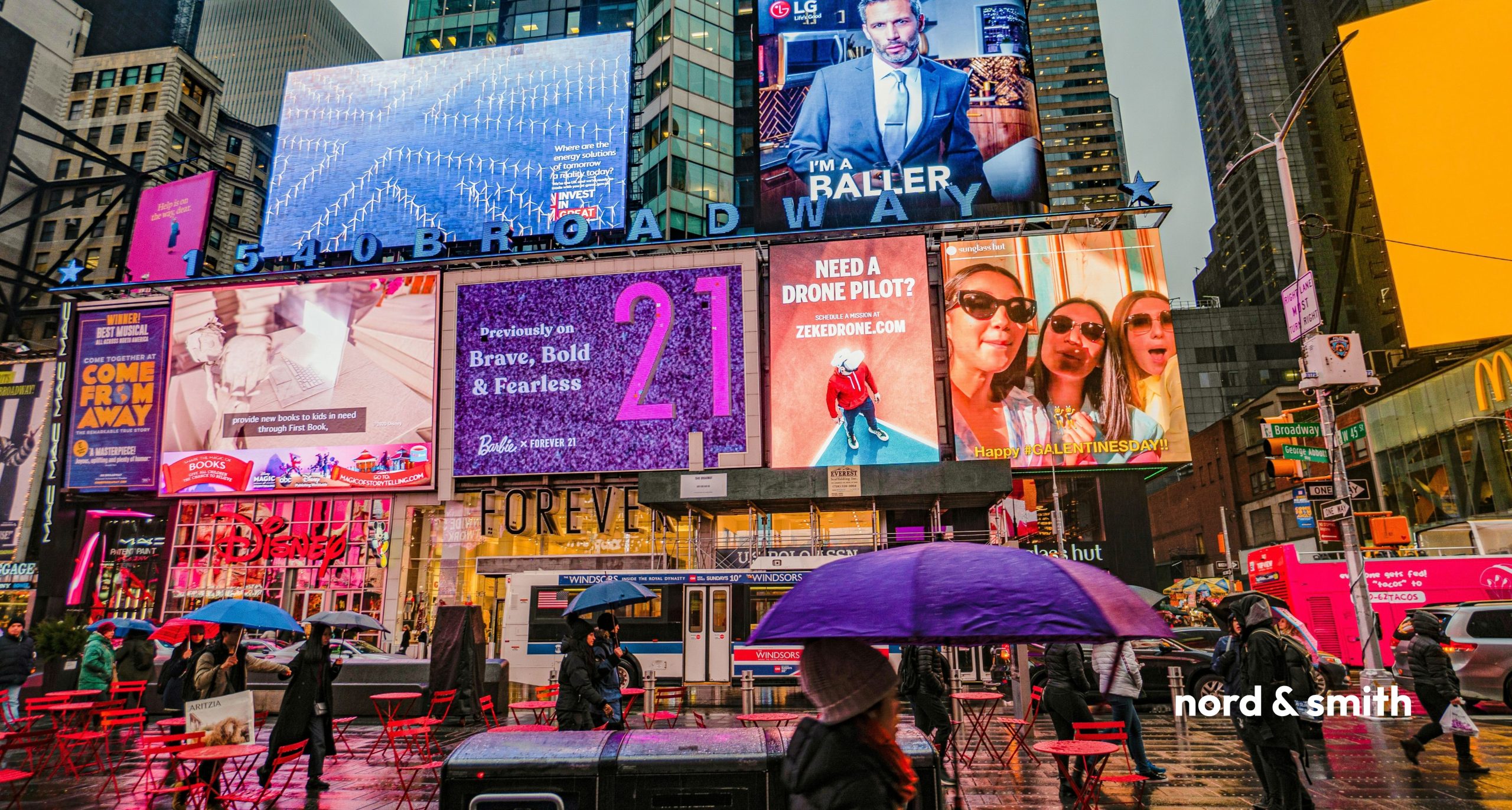
Cost efficiency compounds this advantage. Local brands typically buy OOH inventory through direct relationships with vendors and media owners, often at better rates than global brands routed through international holding company contracts, letting smaller players run more frequent, more localized campaigns for the same budget.
The programmatic shift favors local brands further. As DOOH buying becomes more data driven, the advantage moves from brand budget to brand knowledge. Understanding which neighborhoods respond to which message at which hour is a local insight no global media plan can fully replicate from a regional office.
None of this means global brands are losing OOH outright. Their reach and production budgets remain hard to match, and some, like Unilever, are adapting by leaning into local relevance themselves. But in a market where relevance increasingly beats reach, local brands have found a real opening, and the data suggests they are using it well.
Get your OOH campaign planned and executed with the right strategy with Nord & Smith, the most accurate data-driven OOH agency you can definitely trust.