Why Your OOH Campaign Needs a Social Listening Strategy
Out-of-home advertising has always worked on a delay.
A billboard goes up, people see it on their commute, and weeks later a brand tries to piece together whether it moved the needle through footfall estimates, brand lift surveys, or simple guesswork. That gap between exposure and understanding is where most OOH budgets quietly lose their value. Social listening closes it.
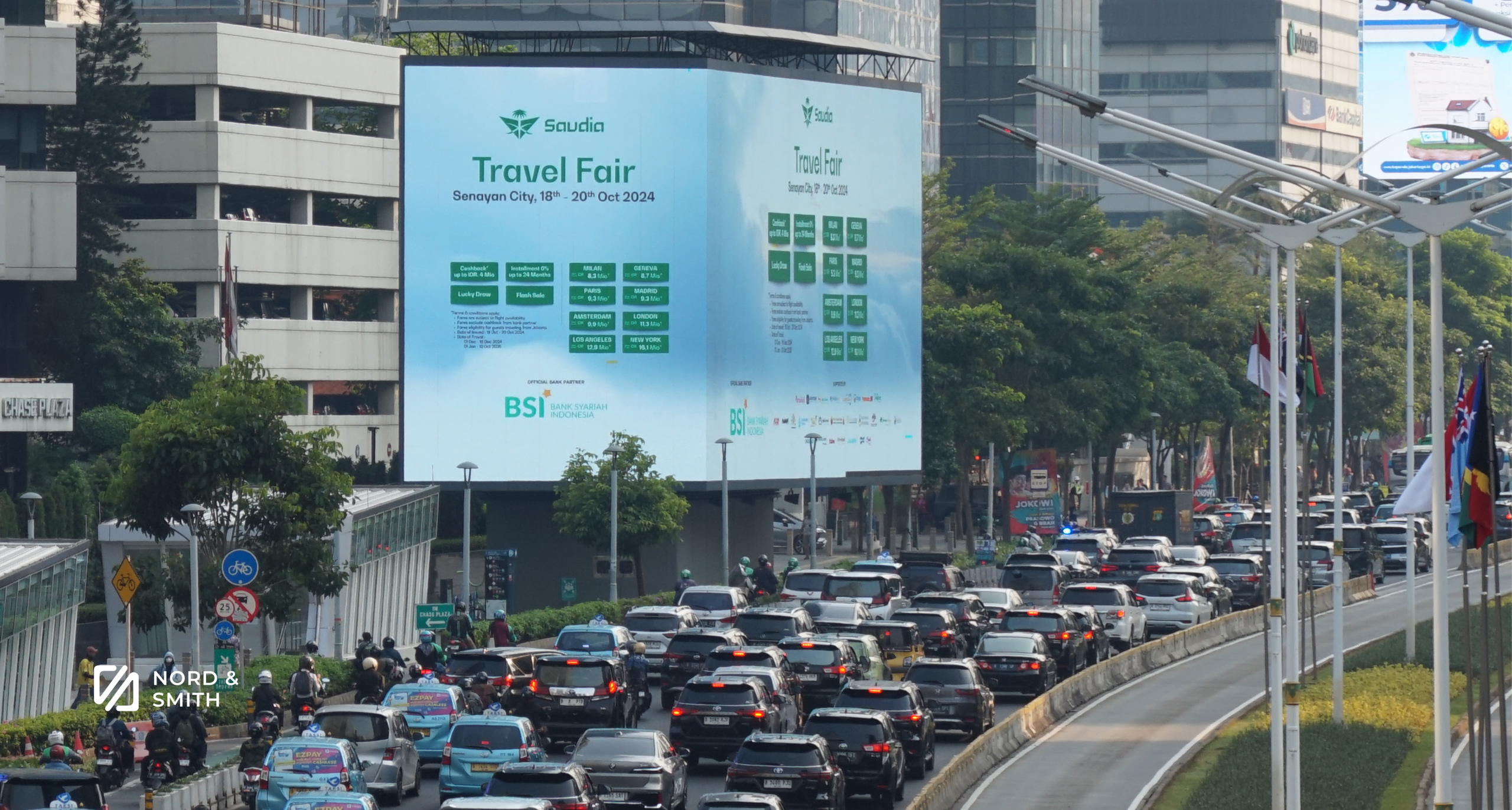
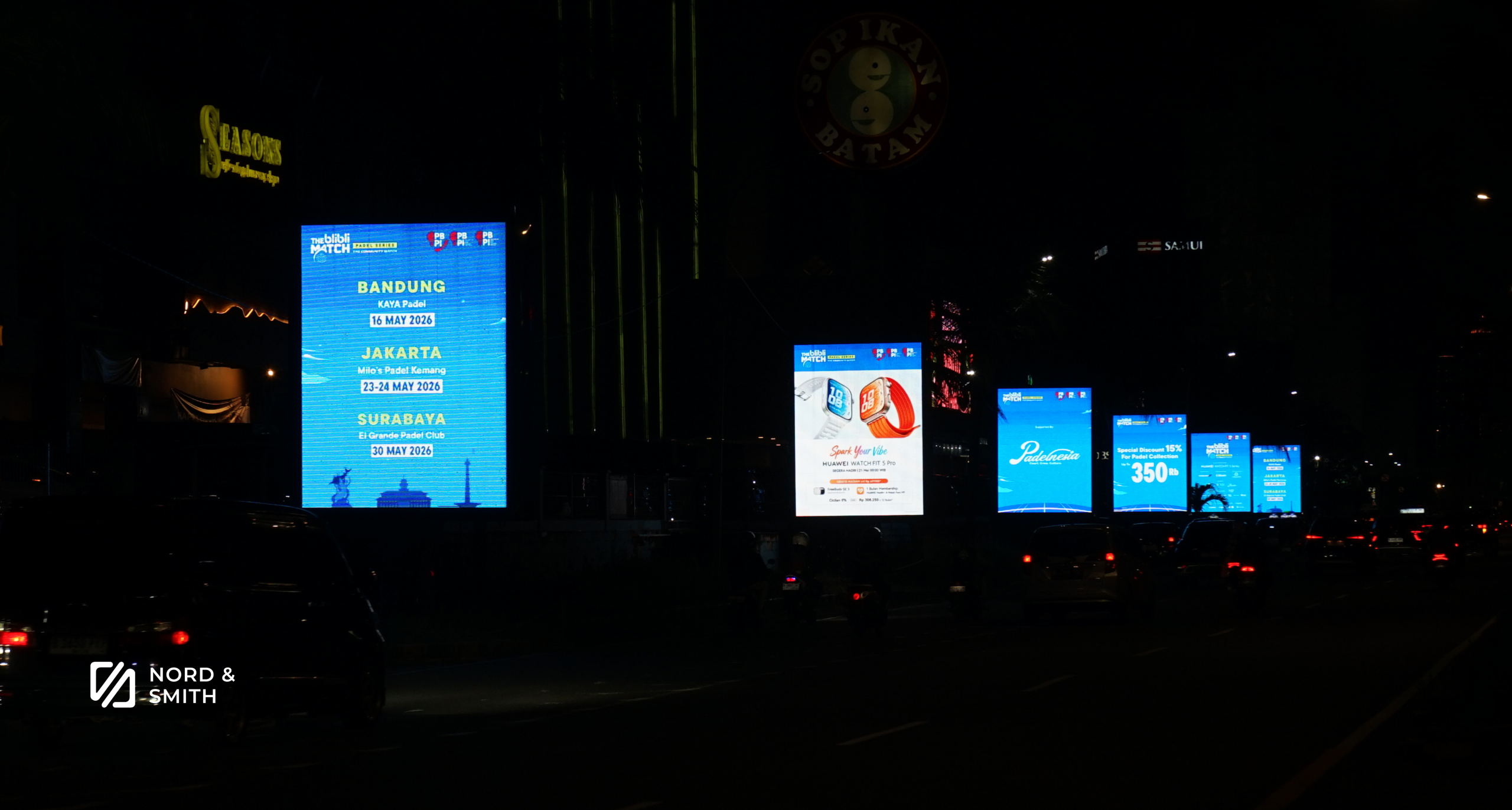
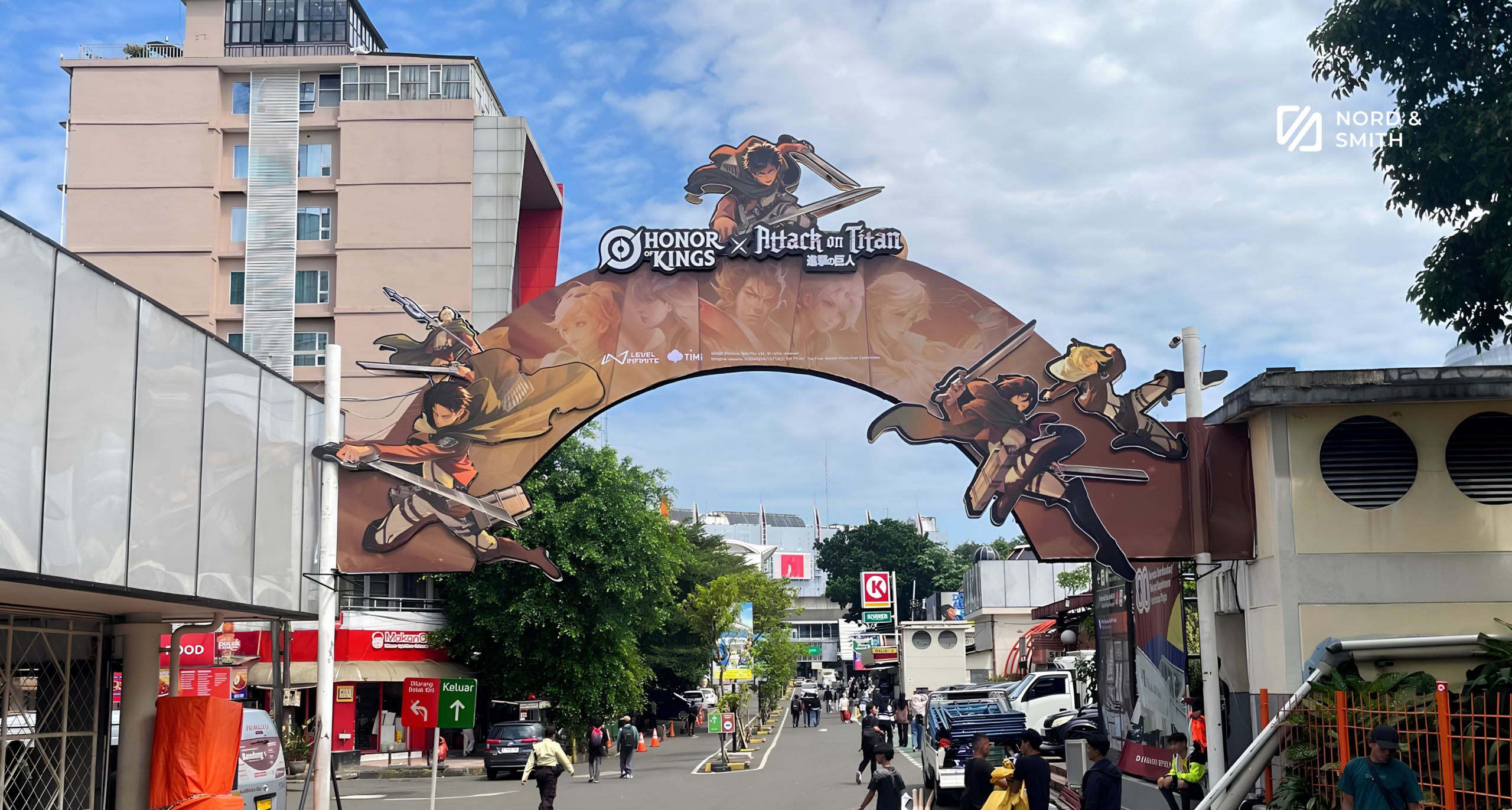
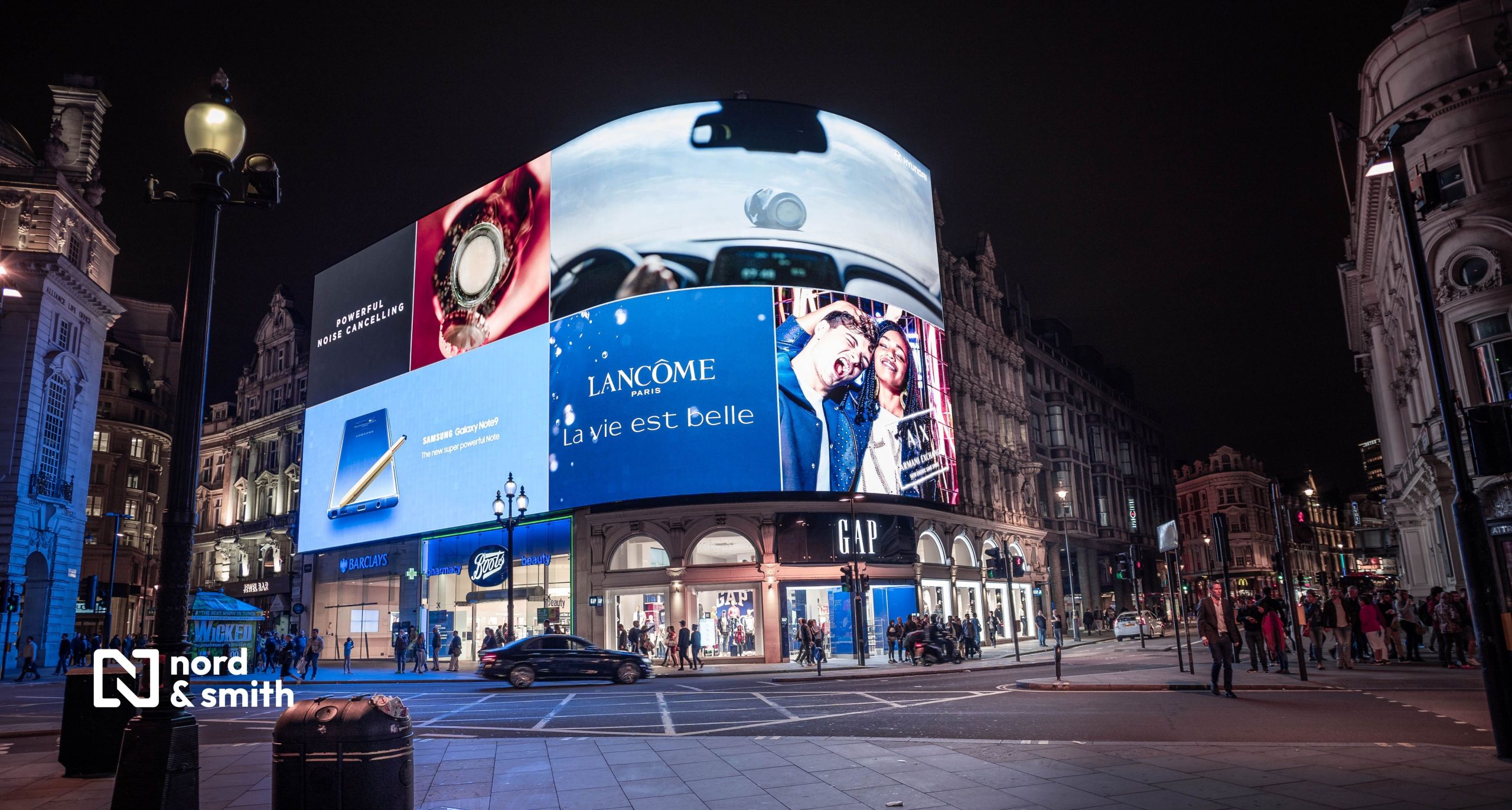
The idea is simple. When a large-format ad, transit wrap, or digital billboard goes live in a high-traffic area, people react in real time, not weeks later. They post photos of the creative, tag the location, complain about a confusing tagline, or praise a clever execution. That conversation happens on X, Instagram, TikTok, and local community groups within hours of the placement going up. Most brands never look at it, because OOH has traditionally been measured through reach and frequency numbers rather than sentiment.
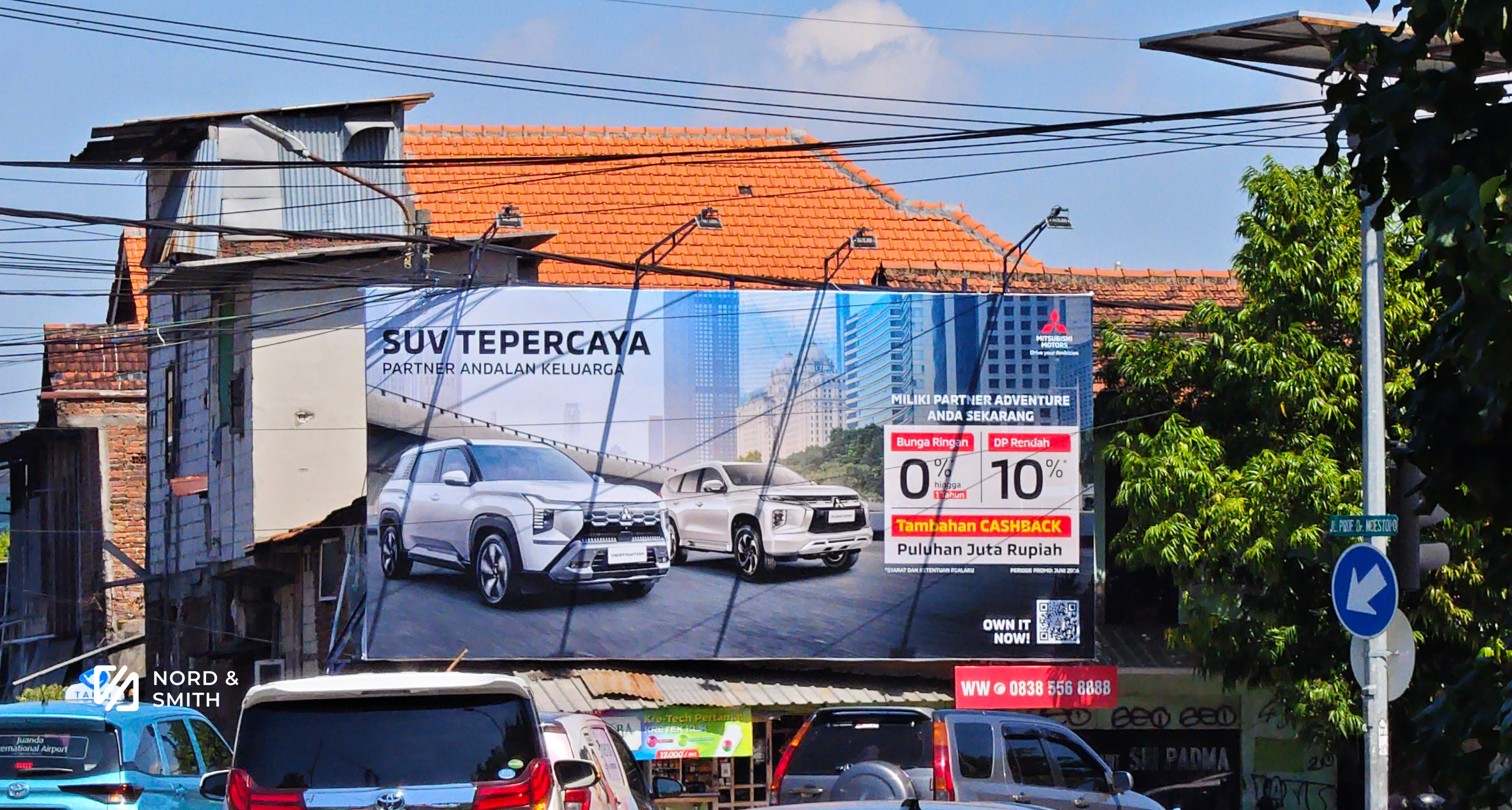
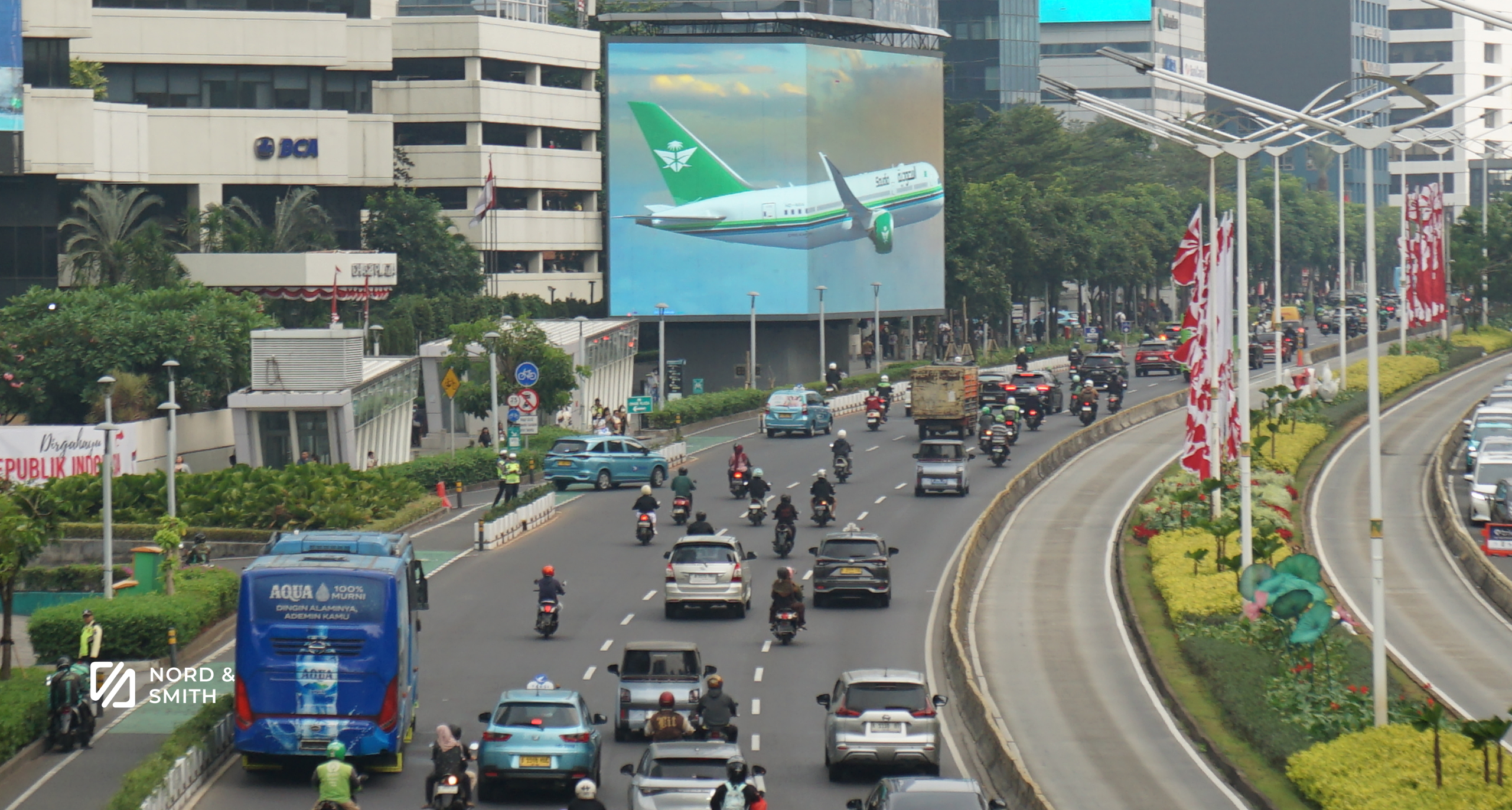
In the Indonesian market specifically, this gap matters more than it might elsewhere. OOH remains a trusted, high-visibility format in cities like Jakarta and Surabaya, where traffic density guarantees long dwell times in front of a single ad. That dwell time produces commentary. Commuters screenshot billboards, debate them in WhatsApp groups, and repost them on Twitter/X threads about city life. Social listening tools can capture this chatter and turn it into a live read on whether a campaign is landing, confusing, or backfiring, long before the post-campaign report is due.
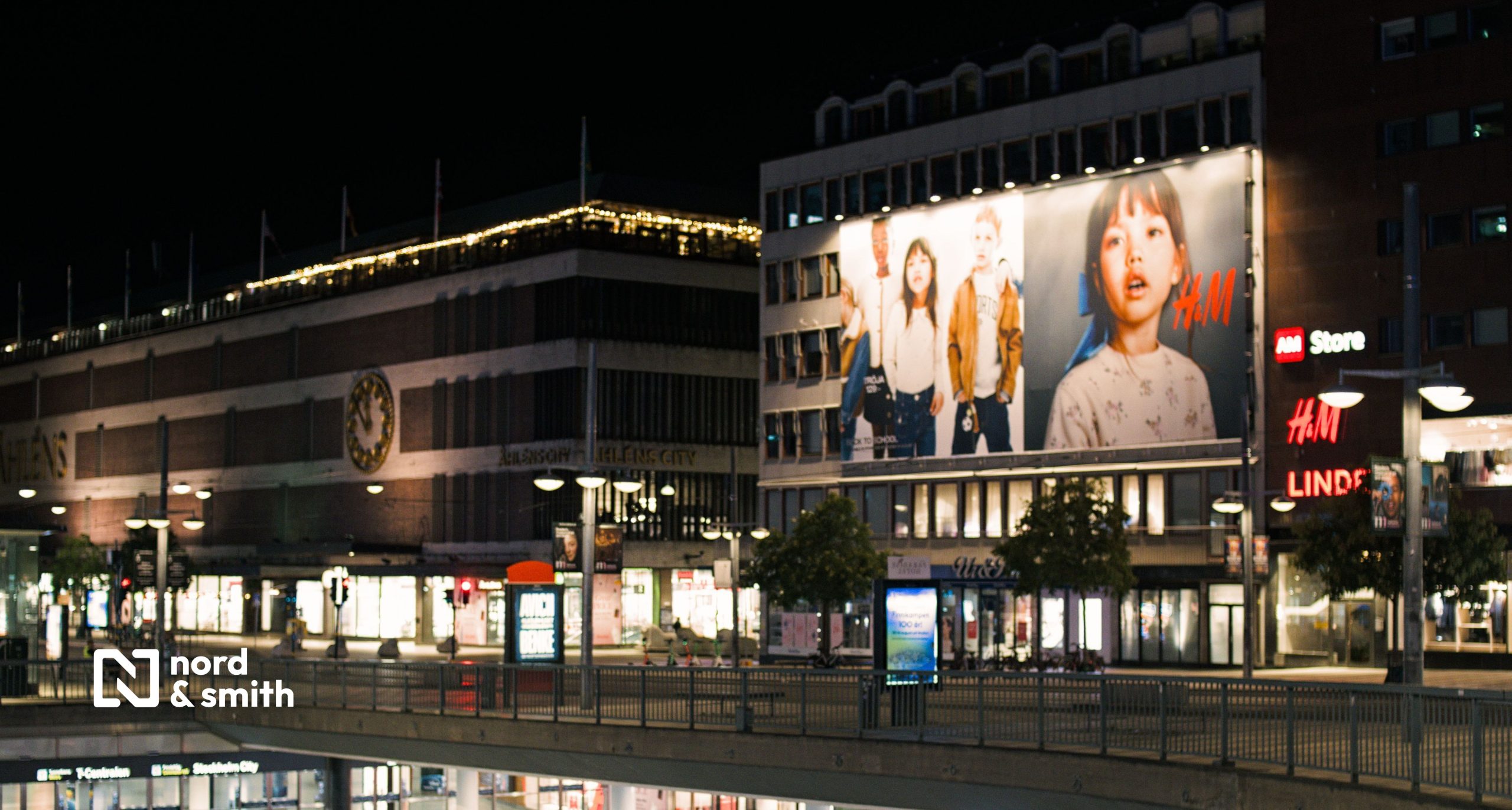
There is also a defensive case. A poorly worded headline or a culturally tone-deaf visual on a billboard can spread faster online than the physical placement itself ever could. Brands that monitor social sentiment during a campaign’s flight window can catch a misstep early and respond, rather than discovering the backlash after the creative has already run.
Practically, this means treating OOH less like a standalone channel and more like a trigger for online conversation. Location-tagged mentions, hashtag spikes near launch dates, and share-of-voice comparisons against competitor placements all become usable data. For an agency like ours, pairing OOH placement data with real-time listening turns a static campaign into something closer to a feedback loop, one that tells a client not just how many people saw an ad, but what they actually thought of it.
That shift, from impressions to reaction, is what makes OOH defensible in a media landscape increasingly dominated by digital attribution.
Get your OOH campaign planned and executed with the right strategy with Nord & Smith, the most accurate data-driven OOH agency you can definitely trust.