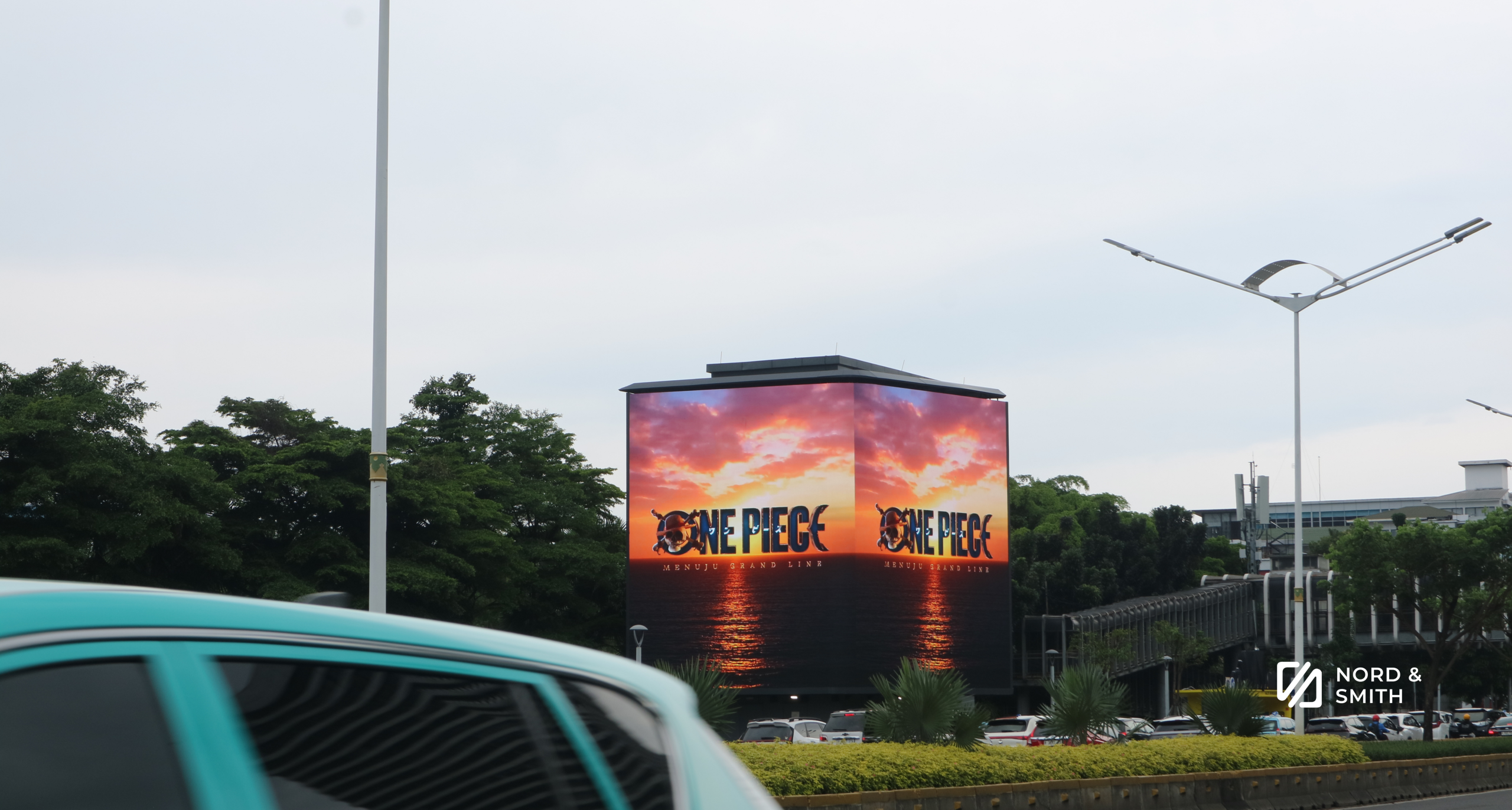
Out-of-home advertising is often judged by what people can see at first glance.
But a great OOH placement is not the biggest billboard or the busiest road. The strongest outdoor advertising campaigns are built around data that explains how, when, and where audiences see a message.
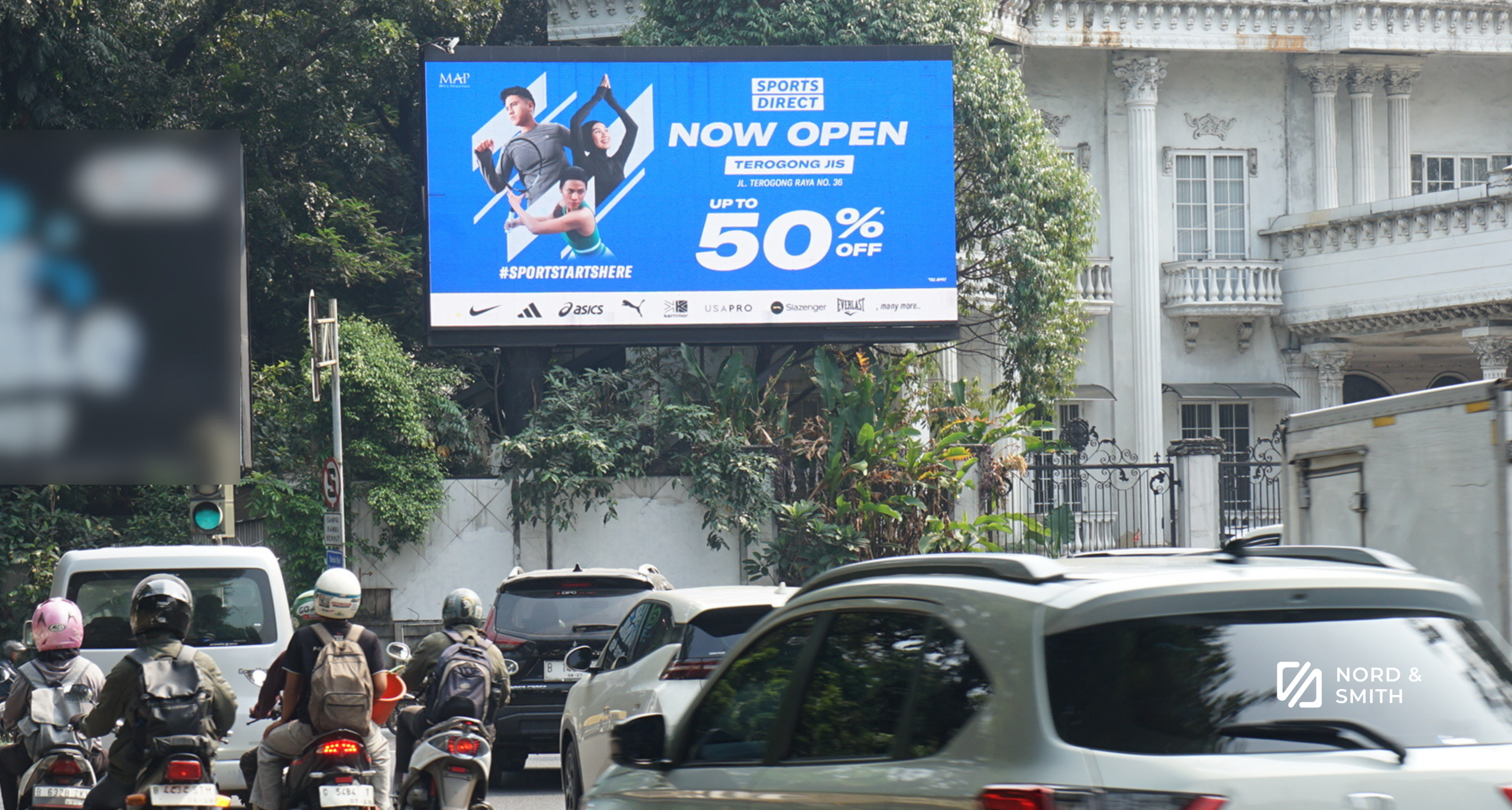
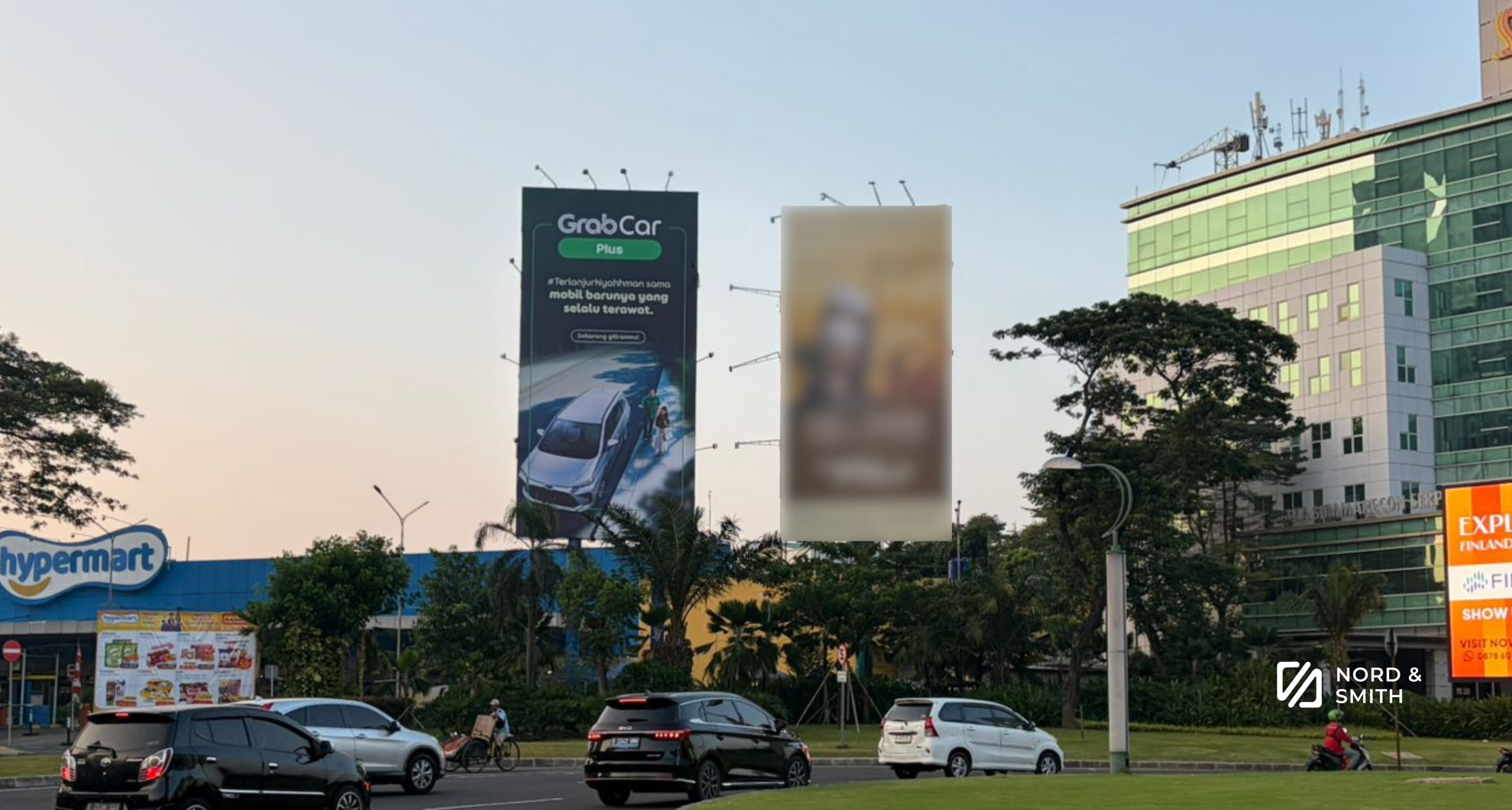
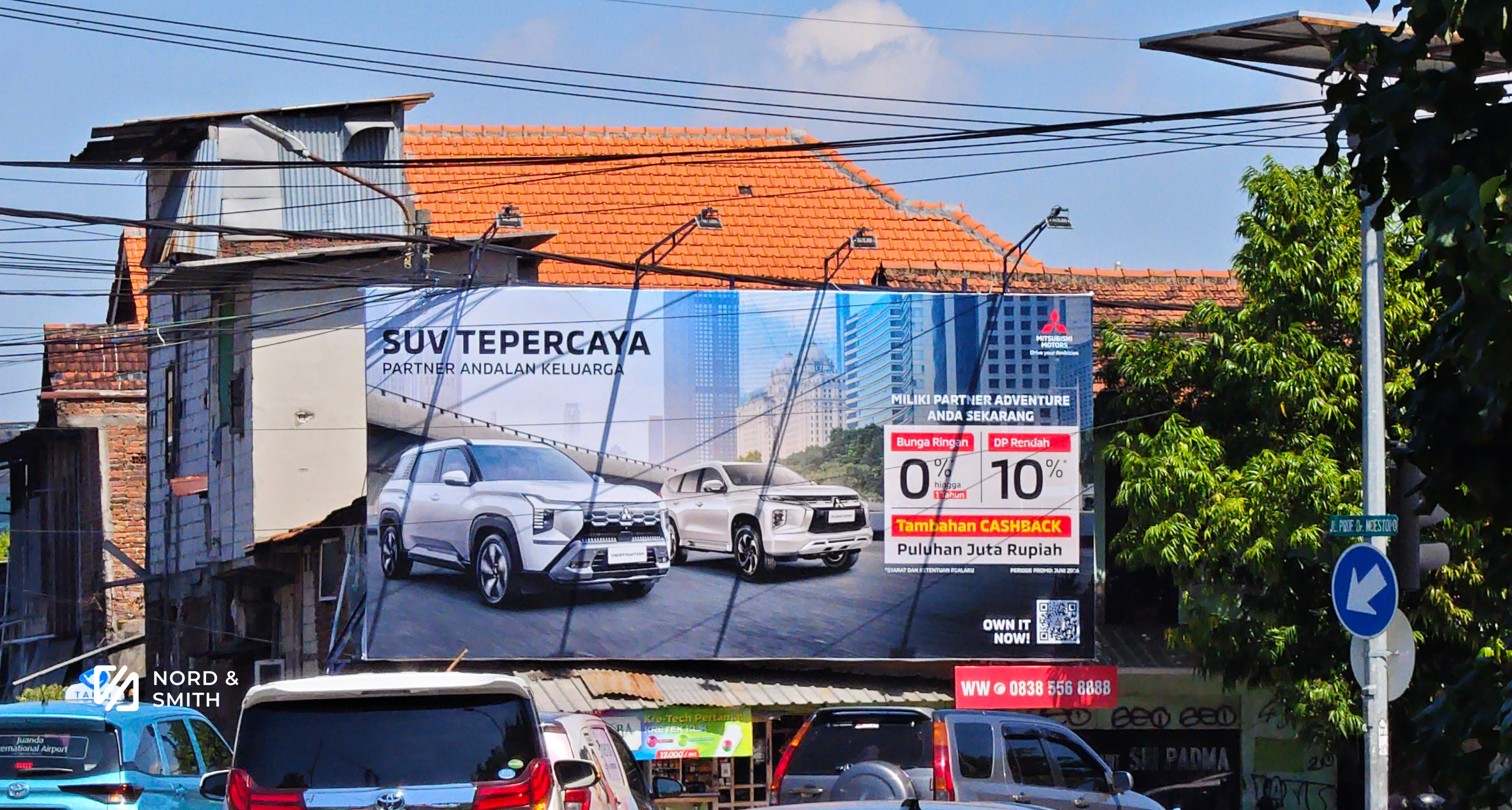
In a market as dynamic as Jakarta, location matters, but visibility matters even more. A billboard Jakarta placement can sit on a road and still underperform if it is blocked by trees, surrounded by visual clutter, poorly lit, or positioned at an angle that gives drivers only a brief viewing opportunity. This is where data turns OOH media planning from a location-based decision into a visibility-based strategy.
The first factor is viewing distance. A placement needs to be visible from an appropriate distance for the audience to process its creative. Data can help determine whether a billboard is seen clearly from approaching traffic, passing vehicles, or pedestrians. The longer and clearer the viewing opportunity, the greater the potential for message comprehension and recall.
Traffic speed also plays a critical role. A placement along a high-speed road may generate significant traffic volume, but audiences have less time to absorb the message. Meanwhile, a slightly slower environment can provide stronger exposure quality. The best OOH placement balances audience volume with exposure time.
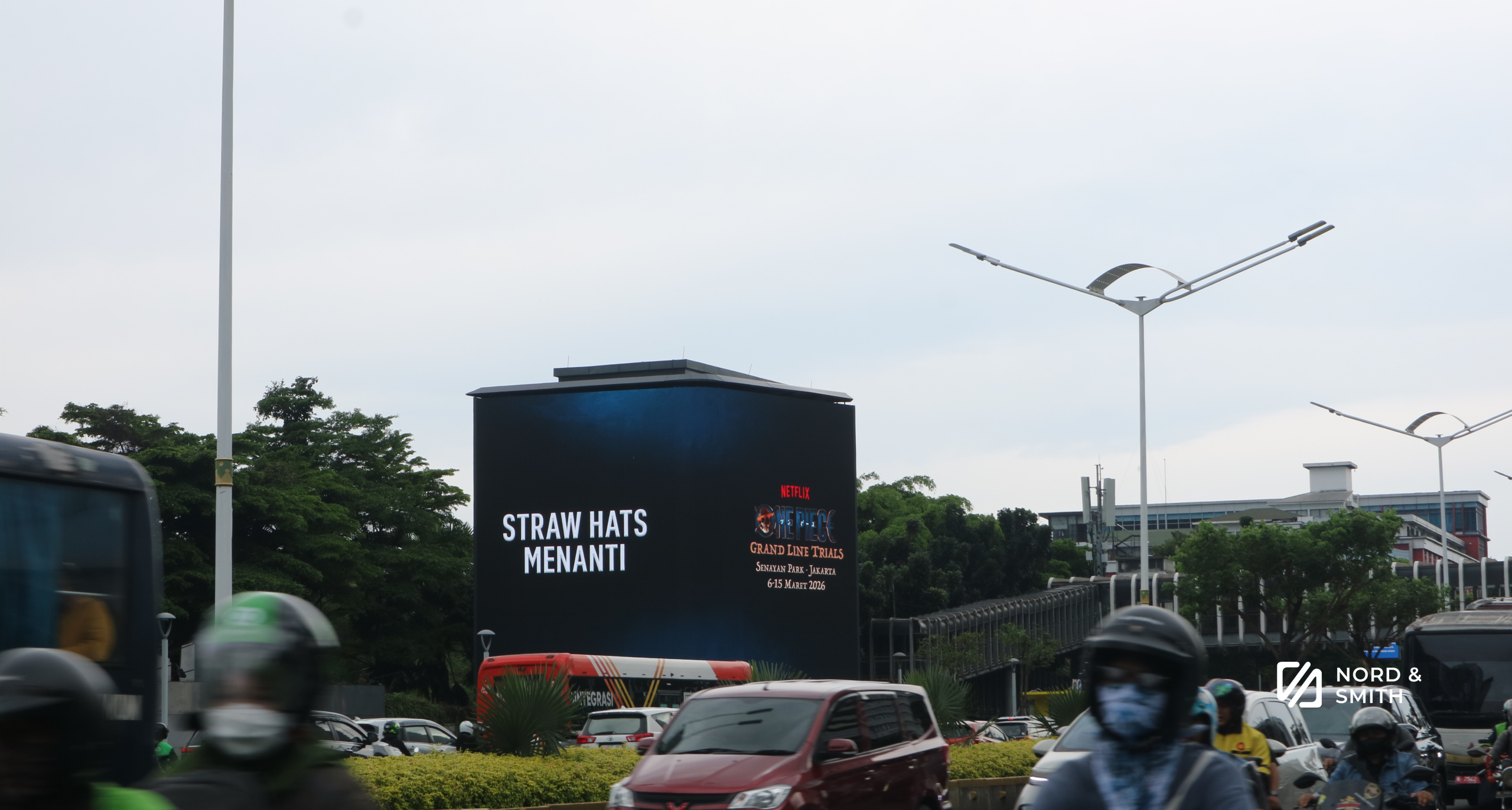
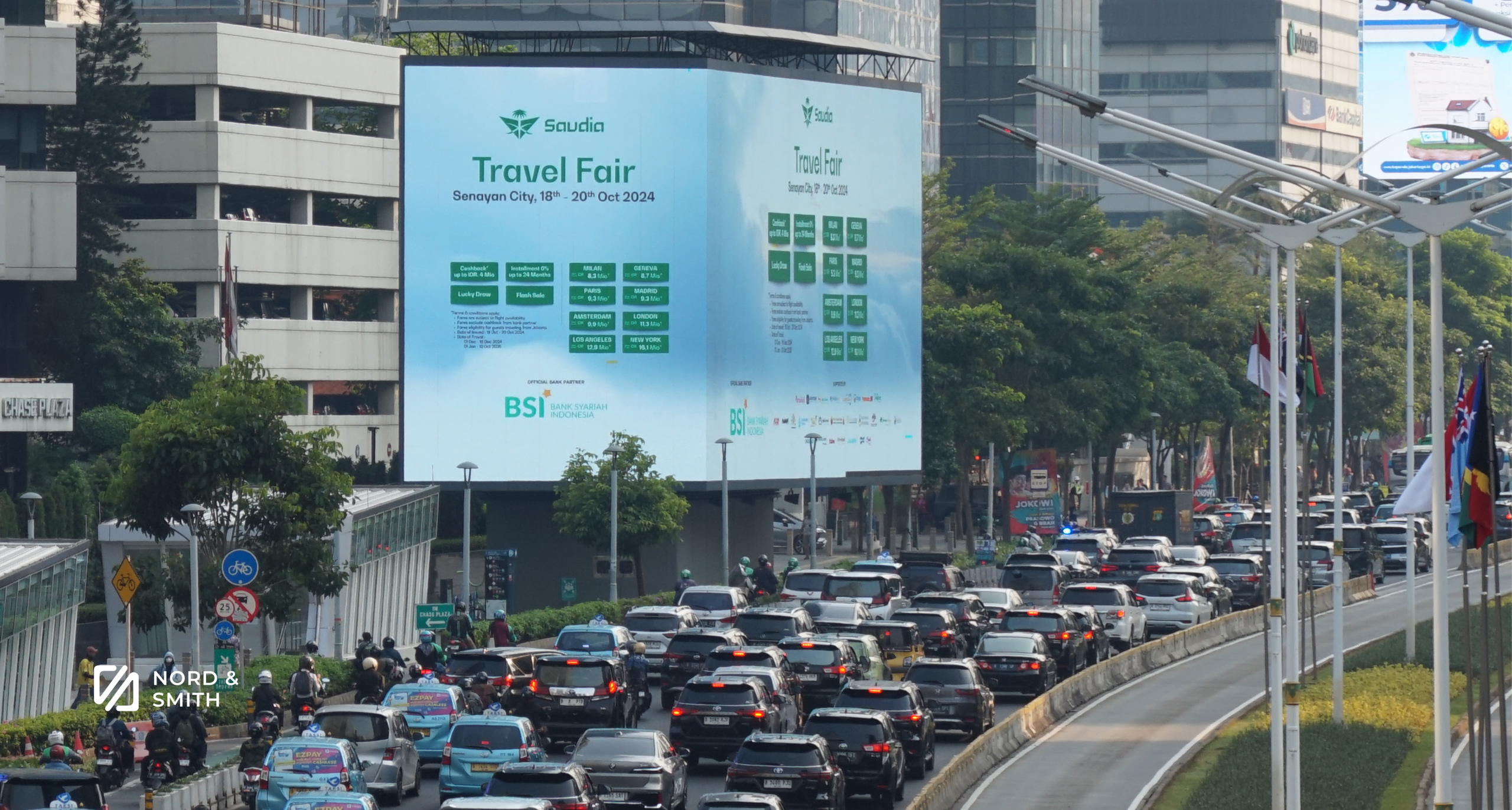
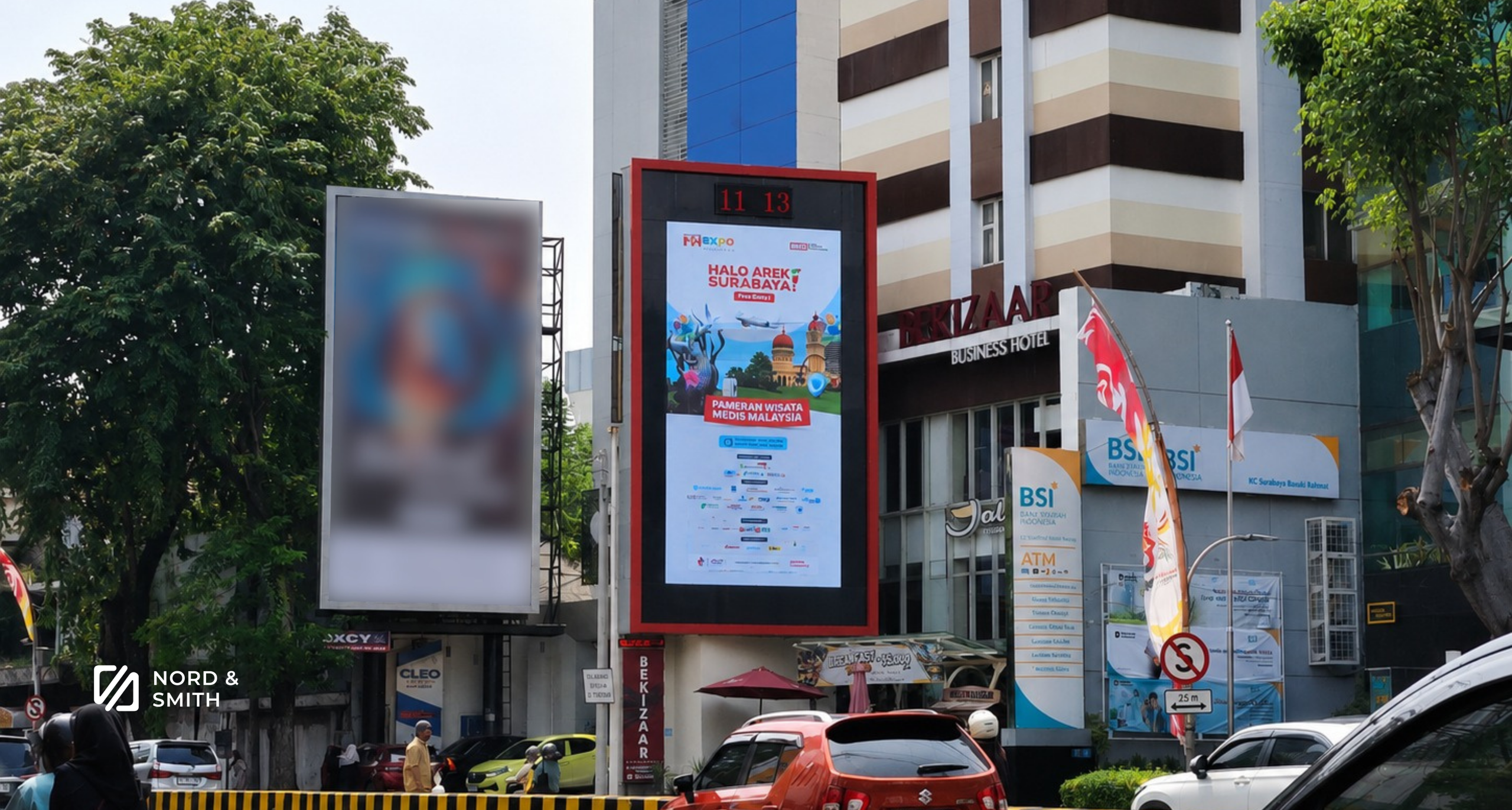
Lighting and positioning are equally important. A digital screen or videotron Jakarta location may have high traffic but lose impact at certain times because of poor brightness, glare, or an unfavorable viewing angle. Understanding these conditions allows advertisers to choose media that remain effective throughout the day.
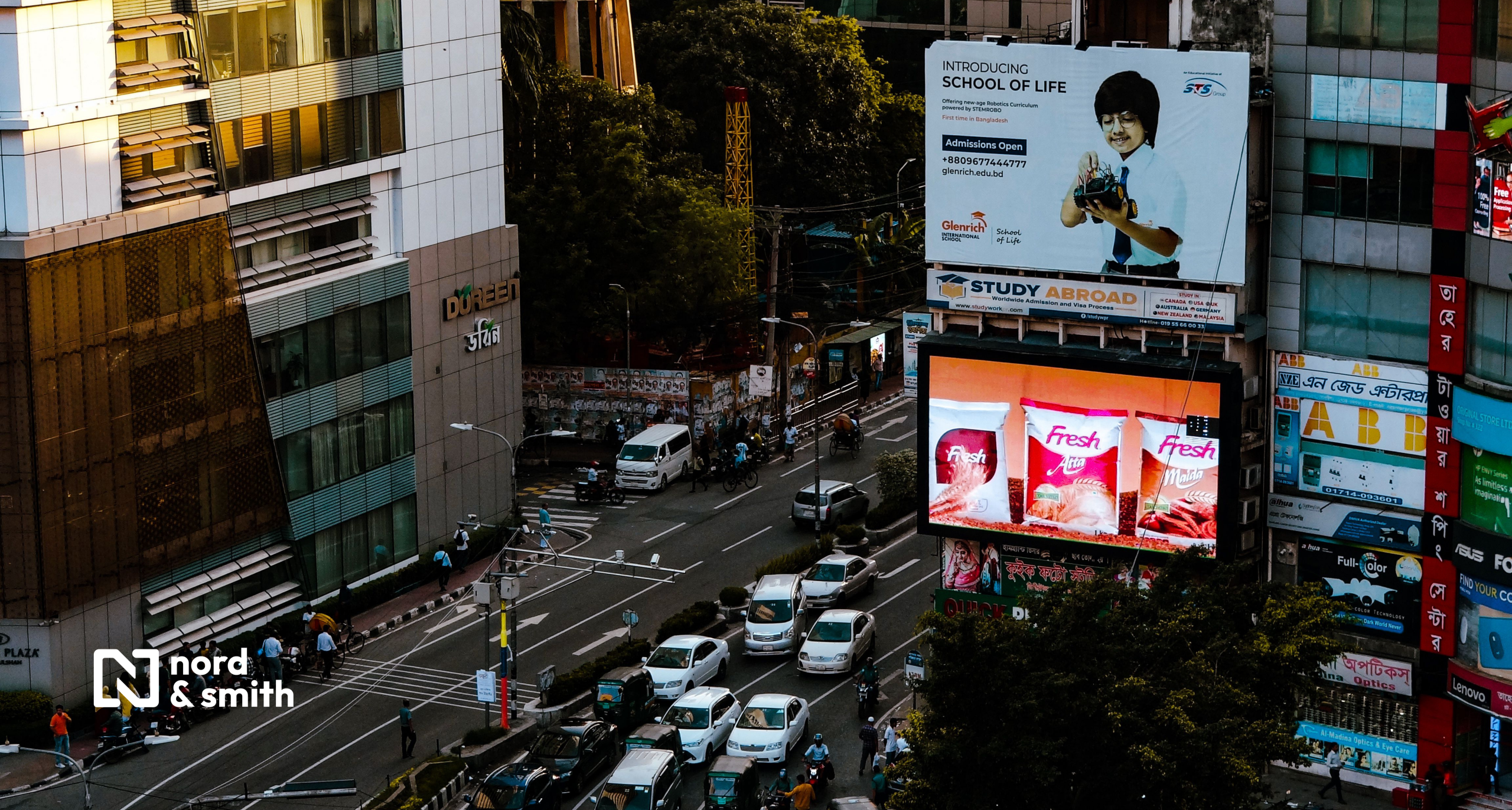
Obstruction is another part of the equation. A billboard competing with multiple signs, buildings, poles, or other visual elements may receive less attention than its traffic numbers suggest. Data-driven OOH measurement considers the surrounding environment, not just the media asset itself.
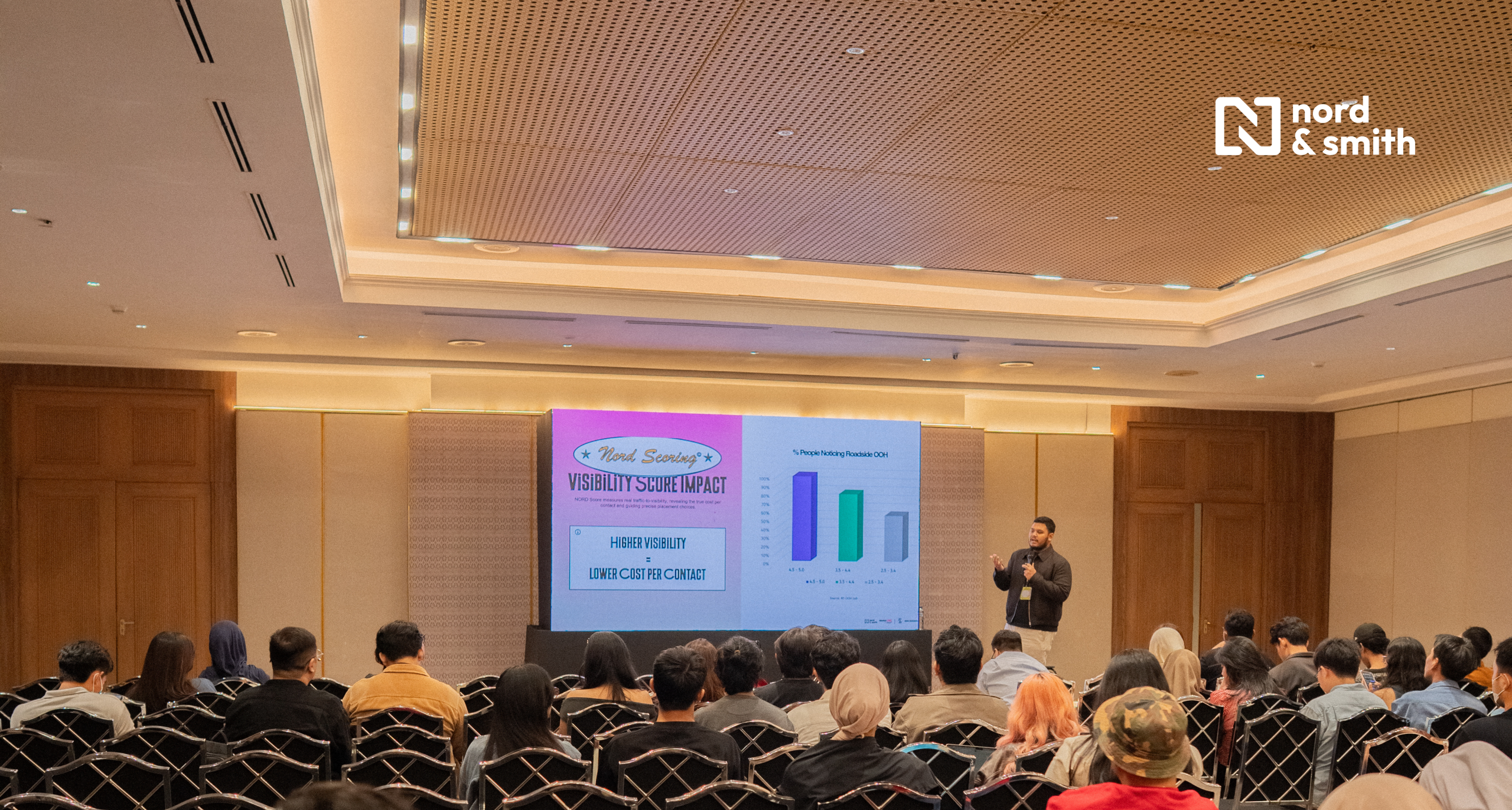
This is why OOH measurement should go beyond estimated impressions. Metrics such as visibility, exposure time, viewing distance, traffic speed, positioning, lighting, and media dominance provide a complete picture of placement quality. The same principle can even be applied when comparing OOH with other forms of visibility. Each channel has a different role, but the goal remains the same: reaching audiences in moments when they are most likely to notice and remember a brand.
Ultimately, a great OOH placement is not defined by size or location alone. It is defined by how effectively the environment supports visibility and attention. When data is used to evaluate every factor, brands can make smarter media decisions, improve campaign efficiency, and turn outdoor advertising into a measurable driver of brand impact.
Get your OOH campaign planned and executed with the right strategy with Nord & Smith, the most accurate data-driven OOH agency you can definitely trust.